
Samsung Patents a Dual-Screen Device Where the Gap Between Two Displays Is the Feature
Samsung is exploring a device that sandwiches two screens together, then mechanically slides them apart or closer to change how the combined image looks. The gap itself is the control knob.
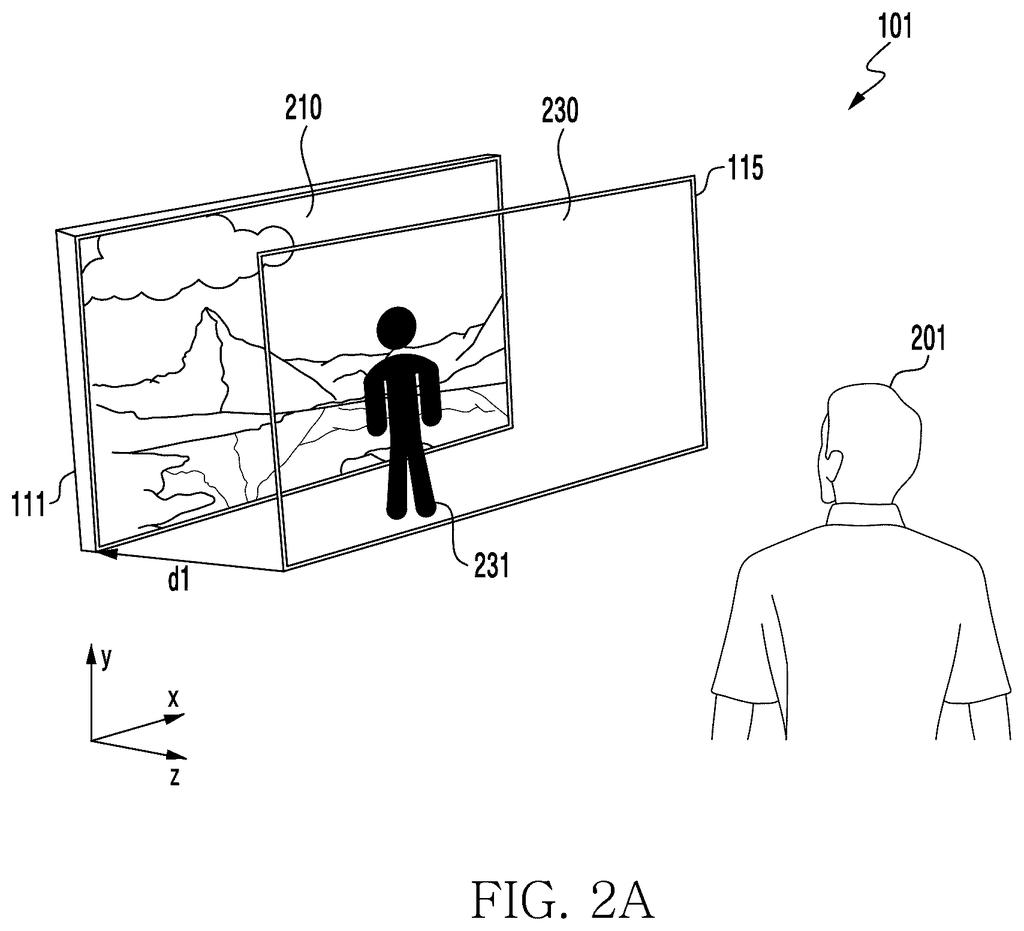
What Samsung's stacked, adjustable two-screen setup actually does
Every time you look at your phone's screen, everything on it sits on a single flat layer of light. Samsung's new patent proposes something different: a device with two separate screens stacked on top of each other, where the space between them can physically grow or shrink.
The front screen is see-through, so it passes light from the rear screen all the way through to your eyes. Each display can show its own image. When the device detects a specific event, like a particular app opening or a user gesture, it uses a small mechanical unit to shift the two screens closer together or further apart. That change in distance alters how the two images visually blend or separate, creating a sense of depth that a single flat screen can't produce on its own.
Think of it like a pair of transparent film slides stacked in a projector. Slide them close, and both images blur together into one. Slide them apart, and you can see each layer clearly on its own. Samsung is betting that controlling that gap on-the-fly could make certain content, things like maps, photos, or games, look dramatically more three-dimensional.
… a distance adjusting unit configured to change a distance between the first display and the second display …
Translation: The device includes a mechanical part that physically moves the two screens closer together or further apart.
How the two displays stack, slide, and share light
The patent describes an electronic device built around two distinct displays. The first display is a conventional screen that emits light outward. The second display sits directly in front of it and is optically transparent (meaning it passes light through from behind rather than blocking it), so both screens contribute to what the user sees at the same time.
A distance adjusting unit (a mechanical actuator built into the device body) controls the physical gap between the two panels. The device's processor monitors for a defined trigger event, which could be a software cue like launching an app, a sensor reading, or a user action. When that event fires, the processor instructs the actuator to move one display relative to the other.
The optical effect this creates comes from a well-known principle: two images at different focal planes look layered to the human eye. By adjusting the gap dynamically, the device can change how deep or flat the combined image appears without relying purely on software tricks.
Key components the patent covers:
- First display: standard light-emitting panel at the rear
- Second display: light-transmissive panel at the front that also carries its own image
- Distance adjusting unit: mechanical system that shifts the gap on command
- Event detection logic: software running on the processor that decides when to trigger a gap change
… a second display, disposed in front of the front surface of the first display, configured to transmit light from a rear surface to a front surface …
Translation: The top screen is transparent so that light from the bottom screen can pass through it to reach the user.
What Samsung's depth-display bet means for future screens
For consumers, the practical pitch is a screen that can switch between a flat, conventional look and a physically layered, depth-rich view depending on what you're doing. That's different from software-simulated 3D, which is limited by the optics of a single panel and tends to look artificial in motion.
The path from patent to product here is long, though, because this design requires a new hardware chassis. Fitting a movable second display, plus the actuator mechanism to slide it, into a device thin enough to sell is a serious engineering constraint. Samsung already has experience with folding screens, which shows the company knows how to build hinge and movement systems into consumer electronics, but a sliding dual-panel stack is a distinct mechanical challenge. The display-hardware space is one of the more active areas in new Big Tech patents right now, as manufacturers look for ways to add physical depth to screens without requiring headsets.
The concept is striking on paper, but the ship path is steep. Getting a transparent, light-transmissive display panel to render a clean second image while also passing the rear screen through cleanly is a hard materials problem, and the actuator mechanism adds thickness, weight, and a new failure point. Samsung has the display manufacturing scale to prototype this, but the gap between a working lab demo and a device thin and durable enough for retail shelves is substantial. Filing now locks in the display architecture as intellectual property long before any product could be imminent.
There are more where this came from
We read every patent application Big Tech publishes and send you the ones worth knowing. Plain English, free, every week.
The drawings
13 drawing sheets from US 2026/0236210 A1 · click any drawing to enlarge


Want this weekly breakdown for a company we don't cover? Patentlyze Pro →
Be the first to weigh in