
IBM Patents a Cache-Preservation System for Zero-Downtime VM Updates
Every time a server gets a software update, the cache it built up — all that hard-won, pre-processed data — typically vanishes. IBM's new patent tries to fix that by snapshotting cache state and handing it to the replacement VM before it even starts working.
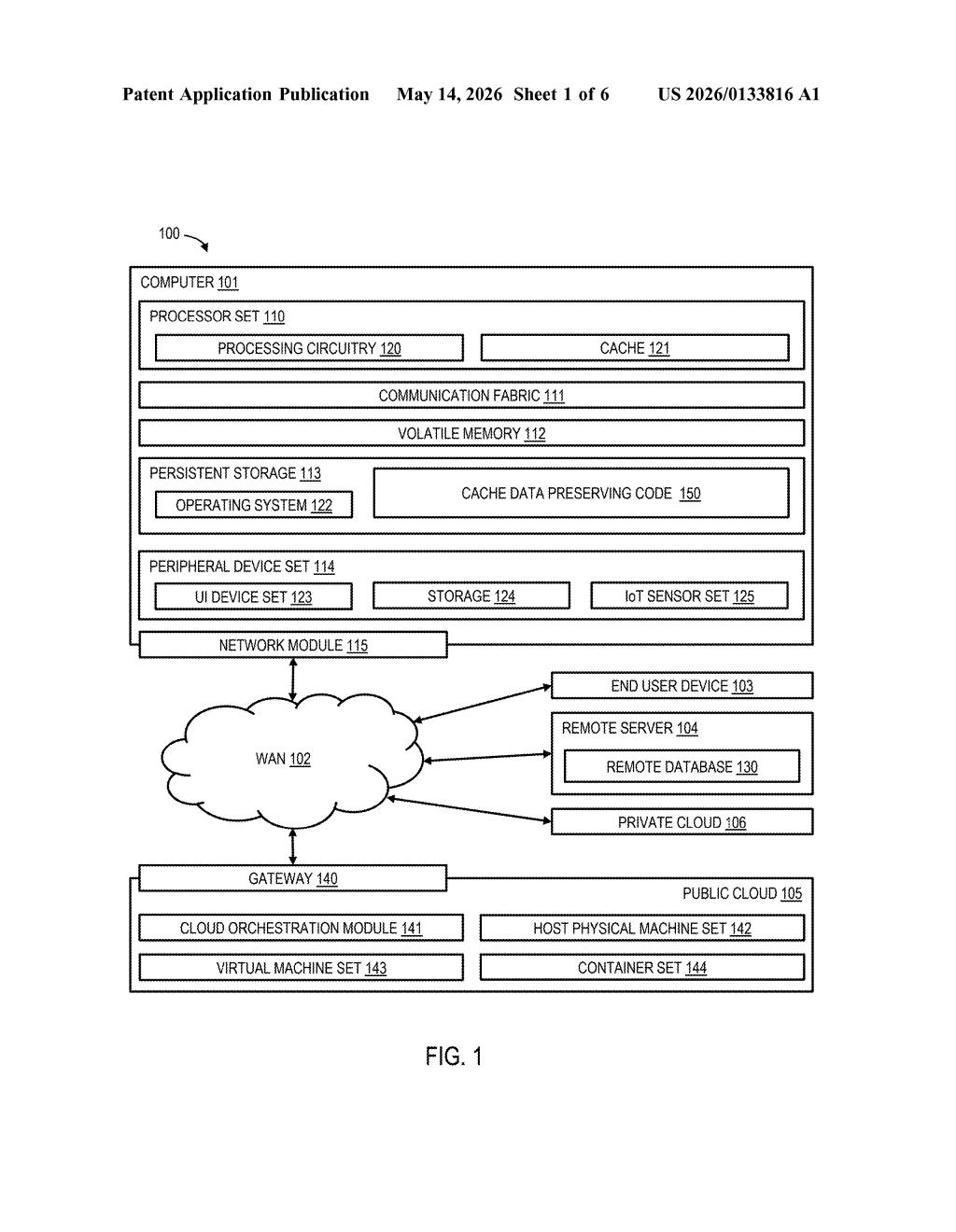
What IBM's live VM cache handoff actually does
Imagine a restaurant kitchen mid-service. The head chef has a mental map of every order, every timer, every prep station. Now imagine swapping in a new chef mid-shift — and wiping that mental map clean. That's basically what happens to a server's cache when it gets a live OS update today.
IBM's patent describes a smarter handoff. Before the old virtual machine (VM) hands over its workload to a freshly updated one, the system takes a snapshot of the old VM's cache data — the temporary, fast-access memory it's been building up — and saves it to persistent storage. Once the new VM is ready, that cache snapshot gets loaded in, so the new VM hits the ground running instead of starting cold.
The result: your application doesn't take a performance hit after an OS update because the new VM already has the context it needs. For workloads that are expensive to "warm up" — databases, ML inference pipelines, anything latency-sensitive — that's a genuinely useful improvement.
How IBM mirrors cache data through persistent memory
The patent describes a three-step process happening on a single host system running two virtual machines side by side.
- Identify: Before the live update begins, the system pinpoints which cache data in the initial VM is actively being used by the running workload — not just all cache, but the relevant slice.
- Mirror to persistent memory: That cache data gets copied to persistent memory (storage that survives a reboot or VM teardown, unlike volatile RAM). This is the safety net — the data lives somewhere stable while the update is happening.
- Mirror to the update VM: Once the new VM has been spun up with its updated OS, the cached data is restored from persistent memory into the new VM's memory space before it takes over the workload.
The update virtual machine then assumes control of the running workload with that cache already loaded. The key architectural detail is that the old and new VMs coexist on the same host during the handoff — this is a live migration pattern, not a stop-the-world restart. Persistent memory acts as the intermediary bridge between the two VM lifetimes.
What this means for enterprise OS update downtime
For enterprise infrastructure teams, OS-level patching is one of the most disruptive routine tasks. Even with live migration, the "cold start" penalty on the new VM — where caches are empty and performance dips — can cause noticeable latency spikes for users. IBM's approach targets exactly that gap.
This is squarely aimed at IBM's cloud and hybrid infrastructure customers, where workload continuity during patching is a contractual concern, not just a nice-to-have. If this works as described, it could meaningfully reduce the performance tail that follows every routine security patch — which, given how frequently those land these days, adds up fast.
This is solid, unglamorous infrastructure work solving a real problem that every enterprise ops team has felt. The approach — using persistent memory as a staging area for cache during VM handoff — is clean and well-scoped. It's not a moonshot, but it's the kind of patent that quietly ends up in IBM Cloud or z/OS tooling within a few years.
There are more where this came from
We read every patent application Big Tech publishes and send you the ones worth knowing. Plain English, free, every week.
Want this weekly breakdown for a company we don't cover? Patentlyze Pro →