
Meta Patents a Chip-Level Mute Switch That Software Cannot Override
Every mic and camera privacy promise on a consumer device ultimately runs on software that can be patched, hacked, or silently updated. Meta's new patent cuts that chain entirely, putting sensor shutoffs in hardware that code simply cannot touch.
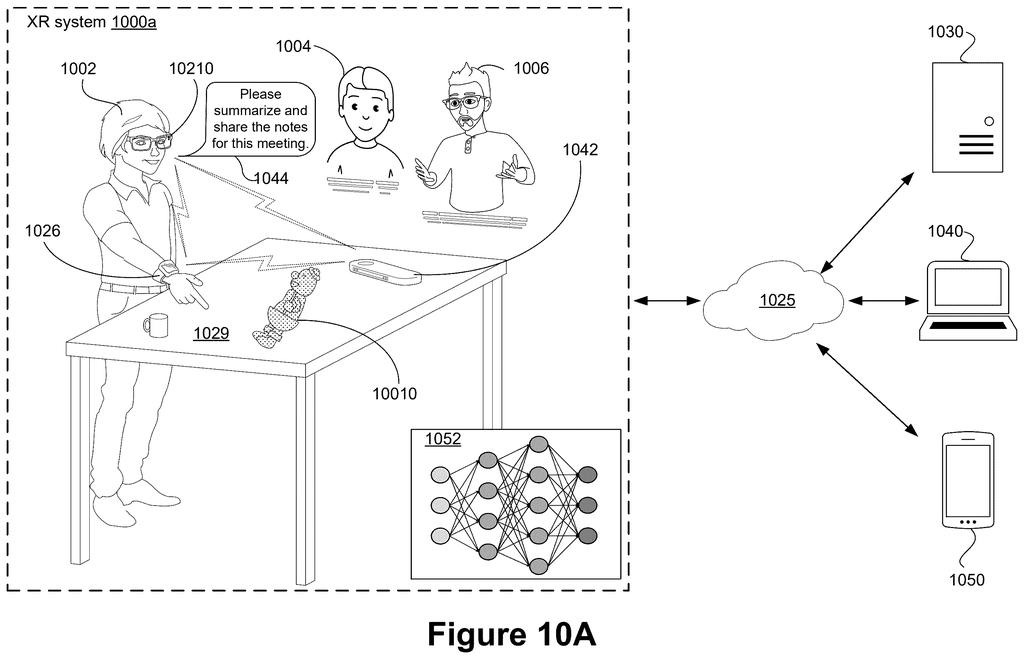
How Meta's hardware mute actually locks AR sensors off
You're wearing AR glasses in a meeting, and a colleague asks: "Is that thing listening right now?" Today, the honest answer is complicated, because muting a microphone or camera in most devices is a software instruction, and software can be rewritten, exploited, or overridden without you ever knowing.
Meta's patent describes a dedicated chip circuit, a hardware mute circuit, that controls whether sensors like microphones and cameras are active. When you trigger the mute, the state is locked at the hardware level, meaning no app, no operating system update, and no remote hack can flip it back on without a physical signal change. The circuit turns sensors off atomically, which just means all-at-once and completely, with no halfway state an attacker could exploit.
When you release the mute, the circuit clears itself in the same all-or-nothing way. The whole point is that the privacy guarantee lives in silicon, not in a line of code someone could change.
store a mute state, the mute state modifiable only through hardware operations; receive a mute trigger signal from a hardware source; in response to the mute trigger signal, atomically apply the mute state to one or more sensors …
Translation: This means the privacy shield is controlled strictly by physical components rather than computer code.
Inside the mute circuit's atomic state machine
The patent centers on a mute circuit: a dedicated piece of hardware logic, separate from the main processor, whose only job is to hold a mute state and enforce it on connected sensors.
The critical design choice is that the mute state can only be changed through hardware operations, meaning physical electrical signals, not software commands. The circuit listens for a mute trigger signal from a hardware source (think a physical button or a dedicated hardware line, not an app call). When that signal arrives, the circuit atomically applies the mute state to one or more sensors. "Atomic" in chip design means the operation happens as a single indivisible step: there is no brief window during which a sensor is half-muted and therefore potentially exploitable.
When the trigger signal stops, the circuit atomically clears the mute state, turning the sensors back on in the same all-or-nothing fashion.
Key properties the patent spells out:
- The mute state cannot be read or written by software running on the device.
- The trigger must come from a verified hardware source, ruling out software spoofing.
- The system is designed for AR devices where always-on cameras and microphones create persistent privacy exposure.
The result is a hardware root of trust for sensor privacy: even if every layer of software on the device is compromised, the sensors stay off until the hardware signal says otherwise.
The circuits, systems and methods described herein enable hardware-enforced sensor privacy in consumer devices, such as augmented reality devices.
Translation: Meta wants to build physical privacy locks directly into future gadgets like smart glasses.
What a hardware kill switch means for AR privacy rules
For AR glasses, the privacy stakes are unusually high. Unlike a phone you put face-down on a table, AR glasses sit on your face all day, with microphones and cameras pointed at the world around you. Regulatory pressure on always-on sensors is growing in the US and Europe, and a credible, auditable off switch is exactly the kind of evidence regulators and consumers want to see.
A hardware-enforced mute is also a meaningful engineering answer to a real threat: software-level privacy controls have a long history of being bypassed, whether by buggy code or deliberate exploits. The latest Big Tech patents covering AR sensor management show a clear shift toward chip-level privacy enforcement as the industry tries to get ahead of the oversight conversation. Whether Meta builds this into shipping hardware is a separate question, but the architecture is the right shape for the problem.
Meta's 53rd filing we've tracked since May in our smart glasses patents builds on earlier work like skin-based data transfer and a dedicated biometric chip.
As people start wearing AR glasses all day, a camera or microphone that claims to be off becomes a serious problem if users have no real way to confirm it. No amount of fine print or company promises can fix that gap.
The only real fix is building the off switch directly into the physical hardware, so that no app or software update can secretly override it. That is exactly what this patent does, and it matters.
There are more where this came from
We read every patent application Big Tech publishes and send you the ones worth knowing. Plain English, free, every week.
The drawings
13 drawing sheets from US 2026/0244794 A1 · click any drawing to enlarge


Want this weekly breakdown for a company we don't cover? Patentlyze Pro →
Be the first to weigh in