
Sony Patents a System That Lets AI Style Game Objects From Your Own Photos
Sony is patenting a way for a game to look at a photo you upload and automatically decide how an in-game object should appear, skipping the manual sliders entirely.
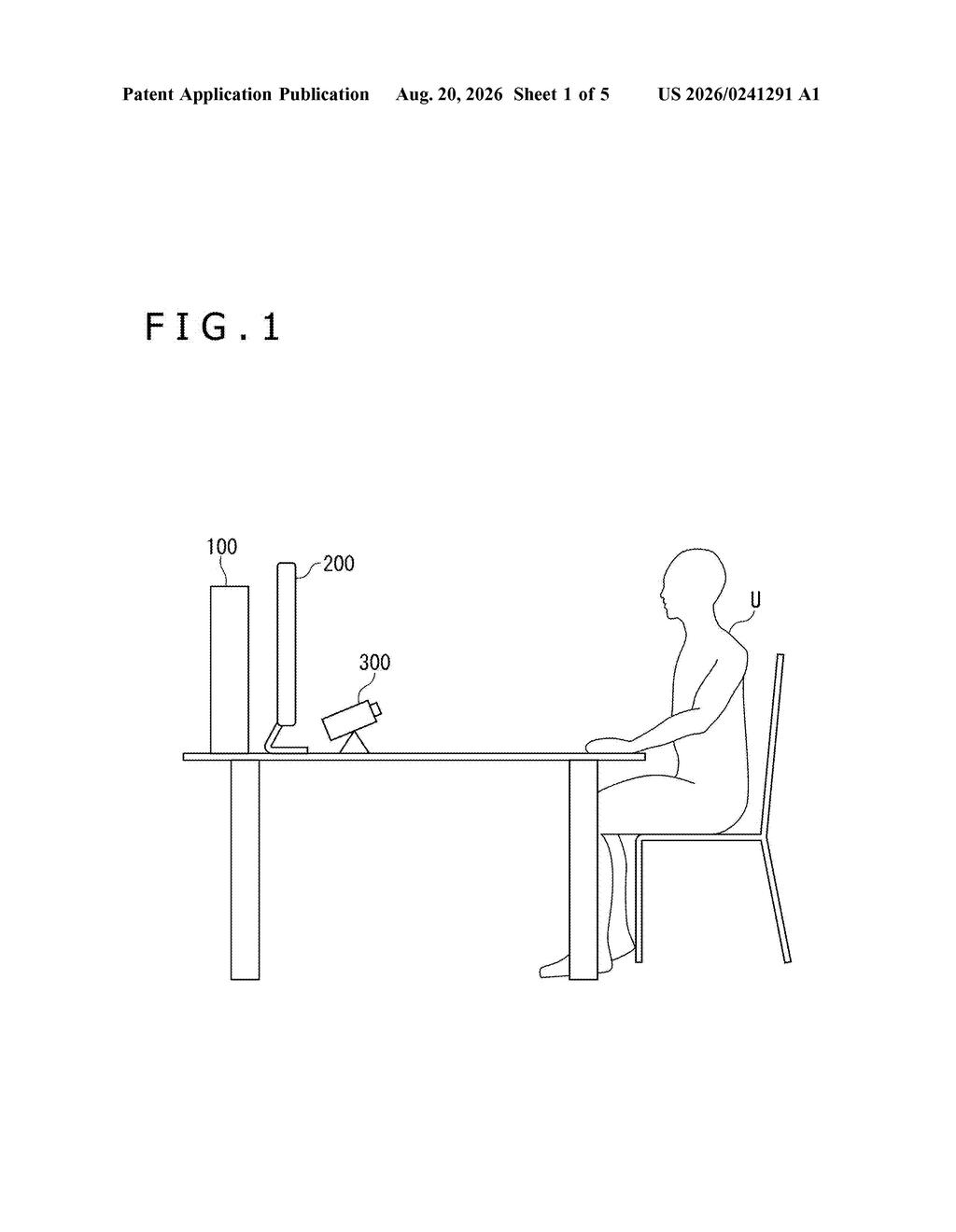
How Sony's photo-to-game-object AI actually works
Imagine you snap a photo of your living room couch and a game automatically styles an in-game character's outfit to match its colors and texture. That's the core idea here: instead of you spending twenty minutes dragging color wheels and sliders, an AI reads your image and sets the object's appearance for you.
Sony's patent describes a system where a generative AI model takes your uploaded photo as input, produces an intermediate result, and then uses that result to set the visual parameters of an object inside an application. Think of it as the AI doing the customization work on your behalf.
The application described is broadly defined, so this could cover game avatars, in-game items, or other on-screen objects. The key promise is that you provide one image and the system figures out the rest, rather than requiring you to manually match every detail yourself.
… generating an intermediate output with use of a generative model from an image input by the user, and determining one or more parameters related to an appearance of the object on a basis of the intermediate output.
Translation: The system uses AI to analyze your photo and turn its visual style into settings that change how a game object looks.
Inside Sony's generative model parameter pipeline
The patent covers a system with two core steps. First, a generative model (an AI trained to produce or transform content, similar to the kind used in image-generation tools) takes an image provided by the user and produces what the patent calls an "intermediate output." This is an internal representation, not necessarily a final image itself, but a set of data the system derives from your photo.
Second, the system reads that intermediate output and uses it to determine one or more parameters related to the appearance of an object. Parameters here means the specific settings that control how something looks: color values, texture style, material properties, and so on.
The claim is intentionally broad:
- Any generative model qualifies, with no restriction on architecture
- The input is any image the user provides
- The output is any set of appearance parameters for any displayed object
- The application type is open-ended
That breadth means the patent is not tied to a specific game engine, a specific AI model type, or even gaming specifically. Any application that displays a visual object and uses AI to derive its look from a user-submitted image would fall within the claim as written.
Provided is a system for providing a user with an application in which an object is displayed, the system including one or more memories for storing a program code and one or more processors for executing an operation in accordance with the program code.
Translation: This describes the basic computer hardware and software setup required to run the game application.
What this means for game personalization on PlayStation
For PlayStation users or anyone using a Sony application, this kind of system could make personalization far less tedious. Right now, customizing an avatar or in-game item typically means manual trial and error. A photo-driven AI shortcut could make that feel instant, and it could enable a level of personal relevance, your pet, your home, your style, that preset palettes never reach.
The claim's breadth is also worth noting from a product-strategy angle. Sony describes a framework covering any application, any generative model, any displayed object, well beyond a narrow avatar-colorizer. This filing on photo-referenced parameter generation sits alongside the plain-English patent summaries of a broader wave of filings where major studios and platform makers are racing to embed generative AI directly into the player-facing layer of their software, and it reflects how quickly that race is moving into the most personal corners of interactive entertainment.
Sony's eighth filing we've tracked since July in the photo editing race follows one splitting shadow and color data and one isolating screen objects from real recordings.
Claim 1 covers almost everything: feed a photo into an AI system, get some data out, use that data to change how a digital object looks. Sony puts no limits on which AI system, which photo, or which app. That is an extremely wide net.
If approved as written, Sony could block other developers from building similar tools, even ones created independently. In practice, patent reviewers almost always push back on claims this vague, so the final approved version will likely be much narrower.
There are more where this came from
We read every patent application Big Tech publishes and send you the ones worth knowing. Plain English, free, every week.
The drawings
5 drawing sheets from US 2026/0241291 A1 · click any drawing to enlarge


Want this weekly breakdown for a company we don't cover? Patentlyze Pro →
Be the first to weigh in