
Qualcomm Patents Technology That Reads Multiple Fingerprints Through a Display at Once
Most phones today can read one fingerprint through the screen. Qualcomm is patenting the plumbing that lets a single chip coordinate several sensors at the same time, which could make under-display fingerprint scanning faster, wider, and more secure.
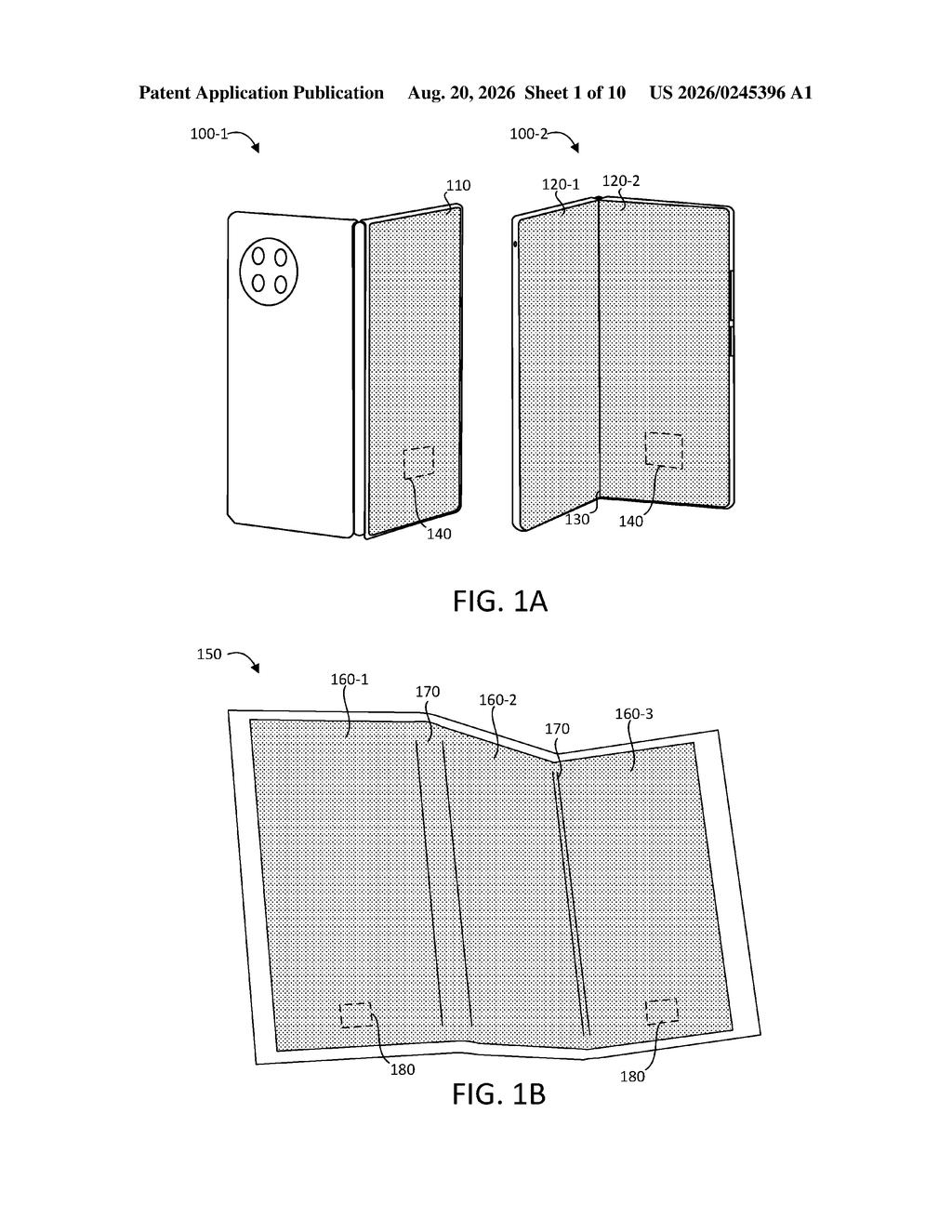
What Qualcomm's multi-fingerprint sensor setup actually does
You're unlocking your phone in a dark room, pressing a thumb to the screen, and you've grown so used to the under-display fingerprint reader that you don't think twice about it. But that sensor is reading a small patch of your skin. What if the whole bottom half of the screen could do that job, checking two or three fingers at once?
That's what Qualcomm's new patent is building toward. Right now, these ultrasonic sensors (the kind that send tiny sound waves through the glass to map your fingerprint) each need their own brains. Qualcomm's design puts a single controller chip in charge of multiple sensors, telling each one when to fire and then combining the results.
The controller also keeps all your fingerprint data to itself, never handing it off to the phone's main processor. That means the comparison happens in a contained, lower-risk part of the system. Whether the sensors scan one after another or all at the same time, the chip is the one calling the shots.
… perform a multi-sensor authentication process using sensor information obtained from two or more ultrasonic sensors of the plurality of ultrasonic sensors …
Translation: The system can verify your identity by analyzing data from multiple fingerprint sensors at the same time.
How one controller chip talks to several sensors at once
The patent describes an ultrasonic sensor system in which multiple sensors are each mounted on flexible circuit strips (think thin, bendable wiring boards) and all routed back to a single controller chip. Today's under-display fingerprint sensors typically have a one-to-one relationship: one sensor, one controller. This design breaks that constraint.
The controller chip can poll each sensor in three ways:
- Sequential: sensors fire one at a time in a set order
- Simultaneous: all sensors capture data at the same moment
- User-defined: a custom order chosen by the device maker or user
Each ultrasonic sensor generates high-frequency sound waves that travel through the display glass and bounce back, creating a 3D-ish map of whatever is pressing on the screen (your fingerprint ridges, essentially). The controller collects those maps from every sensor and runs what the patent calls a multi-sensor authentication process, comparing the combined reading against stored fingerprint templates.
Critically, the stored fingerprint templates never leave the controller chip. The phone's main application processor (the chip running Android or whatever OS is on the device) is not involved in the comparison. That on-chip isolation is a meaningful security boundary, because the main processor is a much larger attack surface.
The controller chip may store fingerprint data obtained from the plurality of ultrasonic sensors and perform the multi-sensor authentication process without transferring the fingerprint data to an application processor.
Translation: The chip processes your fingerprint data locally instead of sending it to the phone's main processor for security.
What this means for under-display biometrics in phones
For device manufacturers, this opens the door to larger-area biometric zones on phones or tablets, where pressing two fingers or a wider area of your hand could unlock the device faster and with less chance of a false accept. It could also enable new use cases like confirming a payment with a specific finger combination.
The security angle is probably the more immediate draw. Keeping fingerprint templates and matching logic inside a dedicated, purpose-built chip is a well-established principle in secure hardware design, and this patent extends that principle across multiple sensors without needing multiple controllers. Qualcomm supplies fingerprint sensor technology to a wide range of Android phone makers, so a chip-level design like this would ripple across many devices if it reaches production. Qualcomm's fingerprint-chip filings sit alongside a broader wave of interesting tech patents around under-display sensing and on-device biometric security that are reshaping how authentication gets built into consumer hardware.
Qualcomm's 329th filing we've tracked since May, part of our Qualcomm coverage, joins earlier applications on splitting graphics across frames and sharing camera clues for location.
The technology described here is real, but turning it into an actual product will take years of work. Qualcomm already sells fingerprint sensors that sit beneath phone screens and read your finger using sound waves, so the basic pieces exist. What this patent adds is a way to link several of those sensors together and wire them back to a single control chip, which forces phone makers to rebuild how the inside of a phone is arranged. That is a serious engineering job, not a simple software fix.
The most likely first product is a large, premium Android phone. A bigger screen gives engineers the physical room they need to spread multiple sensors across the display.
There are more where this came from
We read every patent application Big Tech publishes and send you the ones worth knowing. Plain English, free, every week.
The drawings
10 drawing sheets from US 2026/0245396 A1 · click any drawing to enlarge


Want this weekly breakdown for a company we don't cover? Patentlyze Pro →
Be the first to weigh in