
Google Patents a Camera App That Erases People First, Then Tells You Where to Put Them Back
Google is patenting a camera feature that temporarily removes the people in your shot, analyzes the empty scene, and then draws an on-screen guide telling you exactly where to stand your subjects for the best-composed photo.
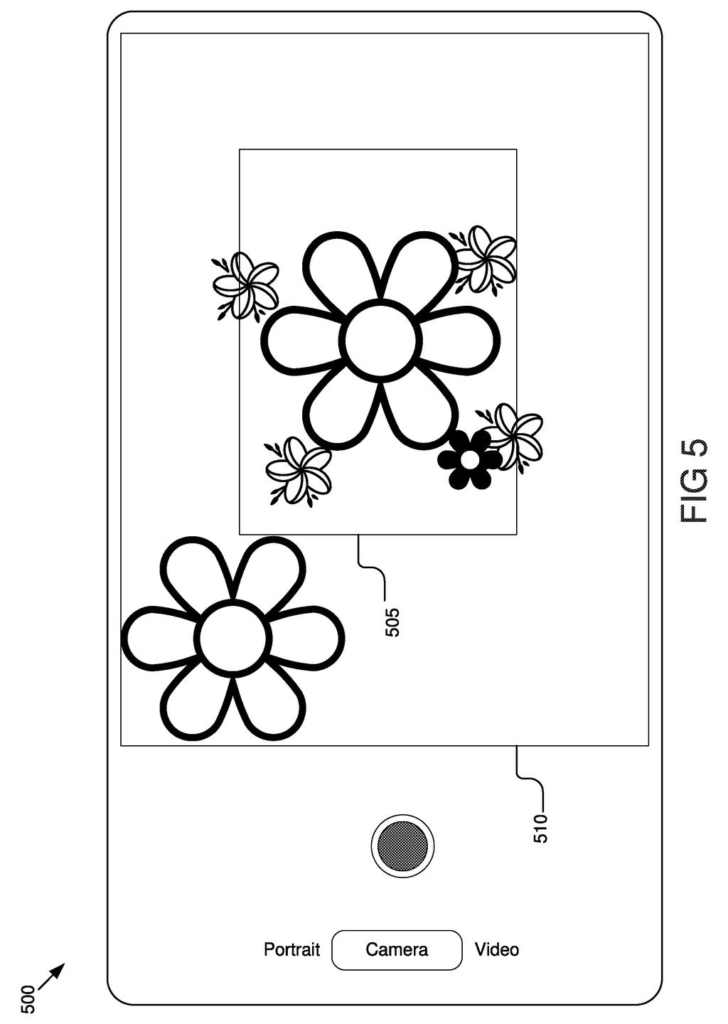
How Google's composition guide actually coaches you
Ever tried to take a group photo and realized after the fact that everyone was crammed into the wrong corner of the frame? Google is working on a camera feature designed to solve that problem before you press the shutter.
The idea is surprisingly intuitive. When you point your camera at a scene, the app digitally erases the people from the preview so it can study the background on its own terms. It then figures out which composition style best fits that background, scores the most promising spots in the frame, and draws a guide overlay on your screen showing exactly where your subjects should stand.
You move your friends, family, or portrait subject into the highlighted zone and then take the shot. The app is essentially acting like a photography teacher standing next to you, whispering 'a little to the left' before you capture the moment.
… responsive to one or more people being detected in the initial image generating a modified image, wherein the one or more people are removed from the initial image to obtain the modified image …
Translation: When the app spots people in your photo, it automatically deletes them to create a clean background.
How the app scores backgrounds and draws the guide
The system works in a few distinct steps, all happening on your phone in real time.
- Step 1 - Detect and remove people: The camera app identifies any people in the live viewfinder image and generates a 'modified image' with those people digitally stripped out, leaving only the background elements like walls, windows, and scenery.
- Step 2 - Pick a composition type: A server sends the app an identification of a composition style, chosen from a predefined set of rules. Classic photography compositions include things like the rule of thirds (dividing the frame into a 3x3 grid and placing subjects at intersection points) or centered framing.
- Step 3 - Score candidate positions: The app evaluates specific spots within the cleaned-up background image against the rules for that composition style, producing a score for each candidate position. Higher scores mean a better compositional fit.
- Step 4 - Draw the guide: An overlay appears on your viewfinder, a graphical guide, marking the recommended position where your subjects should be placed in the final shot.
The server-side involvement suggests Google could update or expand the set of available composition styles over time without requiring a software update to the app itself.
The media application provides a graphical guide on a viewfinder of the user device to guide a user to capture a final image, wherein the graphical guide indicates a recommended position for the one or more people in the final image.
Translation: The app shows you exactly where to place people in the frame to get the best possible composition.
What this means for everyday smartphone photography
For most people taking photos on their phone, composition is the part that's hardest to get right in the moment. Lighting can be fixed in editing; blur can be avoided with a steady hand; but a badly framed photo usually can't be rescued after the fact. A real-time guide that accounts for the specific background behind your subjects, rather than just painting a static grid on the screen, is meaningfully more useful than the basic rule-of-thirds overlay most camera apps already offer.
The server-driven design is also notable: Google can improve or swap out composition models without pushing a full app update, which keeps the experience current over time. Camera AI is one of the more active areas covered among new Big Tech patents, and this filing shows Google pushing composition assistance further than simple grid lines, toward something that actually reads the scene before advising the photographer.
That makes this Google's 41st filing we've tracked since May, alongside earlier work on pulling concepts from a photo and rebuilding camera angles, in our AI photo editing race.
The concrete payoff here is straightforward: you would notice this feature working every time you take a photo of people in front of something interesting. Most camera composition tools are passive overlays; this one actively analyzes the scene and gives you a specific instruction. That is a real step up.
The 'erase people, then score the background' approach is clever because it solves an actual problem. Standard rule-of-thirds grids treat every scene identically. This system adapts to what is actually behind your subjects, so the guide it draws reflects the real visual structure of that particular shot.
The server dependency is a reasonable trade-off for most users, but it does mean the feature requires a data connection to work. That is a minor limitation worth keeping in mind, particularly for travel photography in spotty coverage areas.
Get our take in your Top Stories
Liked this breakdown? Add Patentlyze as a preferred source on Google, and our plain-English take shows up more often in your Top Stories the next time Google patent news breaks.
There are more where this came from
We read every patent application Big Tech publishes and send you the ones worth knowing. Plain English, free, every week.
The drawings
11 drawing sheets from US 2026/0255053 A1 · click any drawing to enlarge


Want this weekly breakdown for a company we don't cover? Patentlyze Pro →
Be the first to weigh in