
Samsung Patents Technology to Switch Earbuds Between Phones Without Resetting Them
Every time you try to pair a set of earbuds with a new phone, there's a decent chance you're about to spend five minutes resetting them and re-entering settings. Samsung's new patent targets exactly that problem.
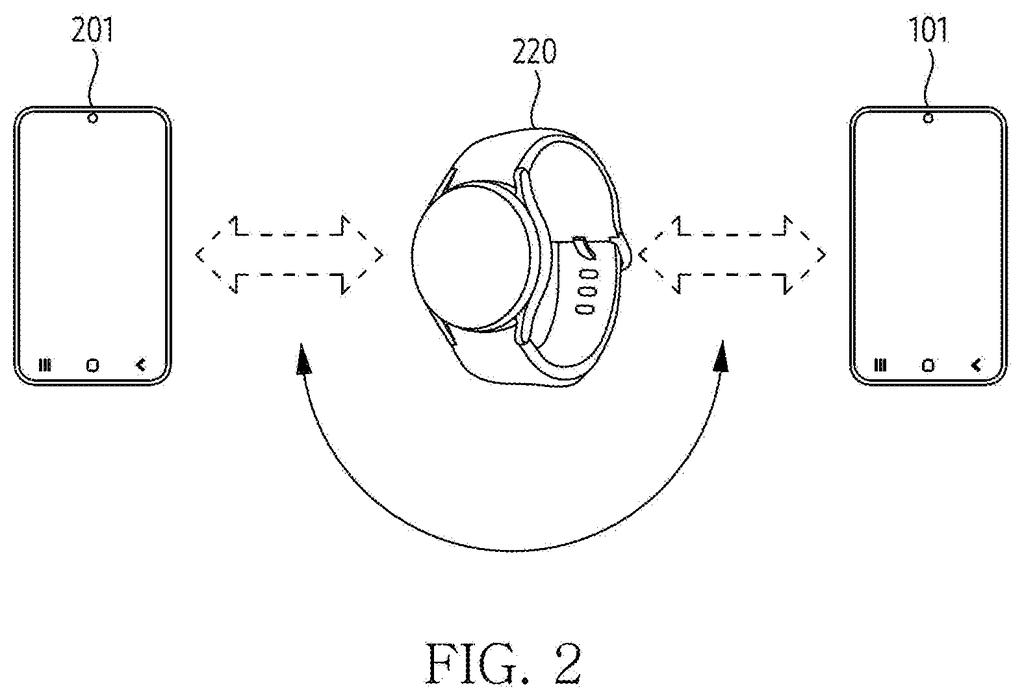
What Samsung's no-reset earbud handoff actually does
Ever grabbed a new phone and immediately struggled to get your earbuds talking to it without wiping everything? That moment of frustration, where your headphones forget all their settings because they think they're talking to a stranger, is what this patent is trying to fix.
Samsung's approach works like a doorman checking a guest list. When your wearable (earbuds, a smartwatch, a fitness band) picks up a Bluetooth signal from a new phone, it checks whether that phone is logged into the same Samsung account as the old one. If the accounts match, the wearable skips the factory reset entirely and connects in what the patent calls a "transfer mode." Your settings stay intact.
If the accounts don't match, meaning a genuinely different person is trying to pair with your device, the wearable does the full reset it would do today. So you get a smooth handoff when it's your own phone, and proper security when it isn't.
… based on the first identification information corresponding to the second identification information, communicating with the second electronic device without performing the factory reset of the wearable device.
Translation: Earbuds connect to a new device without wiping data if the user accounts match.
How the user-account check skips the factory reset
The patent describes a two-device handshake built on Bluetooth Low Energy (BLE), the low-power wireless standard that most wireless earbuds and smartwatches already use to broadcast their presence.
Here's the sequence the patent lays out:
- The wearable broadcasts a BLE advertising signal after its old phone connection is dropped.
- A new phone picks up that signal and responds with user identification information tied to the account logged into that phone.
- The wearable compares that account ID against the account ID of the phone it was previously paired with.
- If the IDs match, the wearable enters a "transfer mode" and hands the new phone its own identification data so setup can continue without a wipe.
- If they don't match, a factory reset runs before pairing proceeds.
The key technical claim is that "transfer mode" bypasses the reset that normally happens when a wearable detects an unfamiliar host device. The wearable's stored settings, calibration data, and preferences stay in memory because the identity check gives the firmware enough confidence to skip the wipe step.
The system also specifies that the new phone sends a formal request message asking the wearable to enter transfer mode, and the wearable replies with a response message containing its own identification data. That back-and-forth is what drives the subsequent setup procedure on the phone side.
… transmit, to the wearable device through the wireless communication circuitry, a request message for changing a mode of the wearable device to a transfer mode for connecting the electronic device to the wearable device without a reset of the wearable device …
Translation: The phone asks the earbuds to enter a special transfer mode to avoid resetting.
What this means for Galaxy wearable owners
For everyday Galaxy users, this would mean getting a new phone and having your earbuds or smartwatch reconnect automatically, without losing EQ settings, touch controls, fit data, or any other personalization you've built up. That's a meaningful quality-of-life fix. The current experience of re-pairing wearables is one of those friction points that makes upgrading a phone feel like more work than it should be.
The deeper engineering point is that this patent draws a clean line between "same owner, new device" and "completely new owner," using account-level identity rather than just hardware addresses. That distinction matters for privacy too: a wearable that resets only when necessary is also a wearable that's harder to accidentally pair with someone else's account. Samsung's wireless connectivity patents sit alongside a steady stream of new Big Tech patents covering account-aware device pairing, a category that's growing as people own more devices that need to move between phones.
This is the 192nd Samsung filing in our cell phone patent coverage we've tracked since May, joining applications like one on killing rainbow patterns on folding screens and one on a spring-loaded gear hinge.
Anyone who has bought a new phone knows the ritual: dig out each wireless device, hold the button until it blinks, re-accept every pairing prompt, reassemble your setup from scratch. For a single pair of earbuds it takes five minutes. For a full set of watch, earbuds, and fitness tracker, it can eat a lunch break, and some people never fully recover their old settings.
The approach here matches that frustration at the right level. By using a Samsung account as the shared identity between phone and wearable, the device can recognize that you are you without any extra hardware or manual steps on your part.
The catch is that this only helps people who are already inside Samsung's account system on both ends of the connection. Step outside that boundary and the automatic recognition has nothing to grab onto, leaving the manual pairing ritual exactly where it was.
Get our take in your Top Stories
Liked this breakdown? Add Patentlyze as a preferred source on Google, and our plain-English take shows up more often in your Top Stories the next time Samsung patent news breaks.
There are more where this came from
We read every patent application Big Tech publishes and send you the ones worth knowing. Plain English, free, every week.
The drawings
16 drawing sheets from US 2026/0255416 A1 · click any drawing to enlarge


Want this weekly breakdown for a company we don't cover? Patentlyze Pro →
Be the first to weigh in