
Sony Patents a Three-Electrode System for Reading Body Signals More Accurately
Sony has filed a patent for a biosignal detection device that uses three electrodes placed at different spots on your body to generate a single, more accurate reading of what's happening inside you. It's a signal-processing approach that could make health sensors in wearables meaningfully more reliable.
What Sony's three-electrode body sensor actually does
A fitness tracker presses one sensor against your wrist and tries to figure out your heart rhythm from that single point. That works well enough until you move, sweat, or tense up, then the reading gets noisy and unreliable.
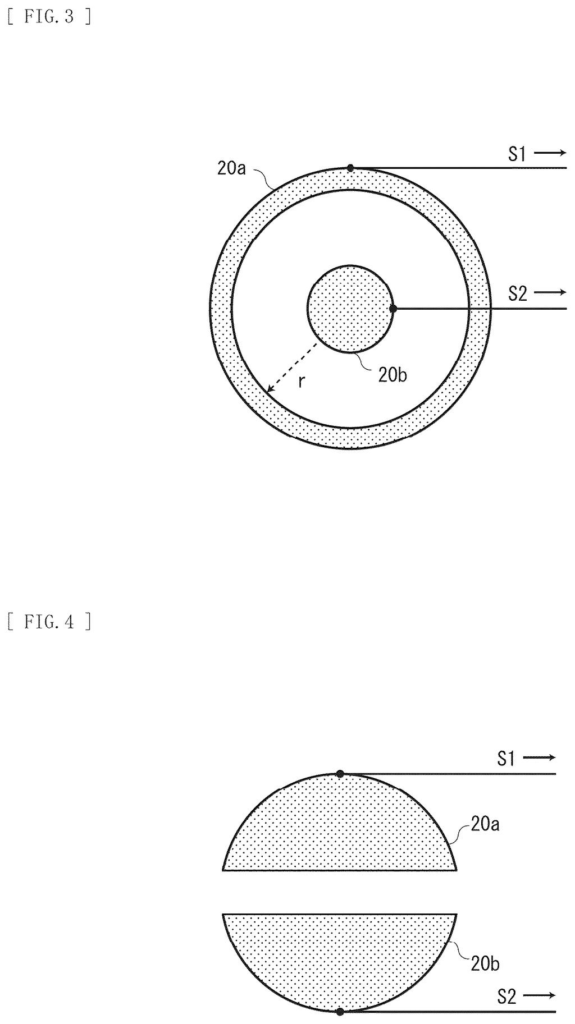
Sony's patent describes a device with three separate electrodes, each touching your skin at a different spot. One electrode serves as a reference point while the other two pick up their own electrical signals from the body. A small processor then combines all three readings into one cleaner, more complete picture of what your body is doing.
The goal is to reduce the interference and noise that plagues single-point sensors. By triangulating across three contact points, the device can distinguish a genuine biological signal from random electrical interference, the same principle behind noise-canceling headphones, but applied to your heartbeat or muscle activity.
a first electrode that is configured to be in contact with a living body; a second electrode and a third electrode that are configured to be in contact with the living body at respective positions different from that of the first electrode …
Translation: The device uses three separate sensors placed on different parts of your skin to collect data.
How the three electrodes combine into one cleaner signal
The patent describes a device built around three electrodes placed at different locations on a person's body. Here's how the system is structured:
- First electrode: sits at one body position and generates the primary signal based on its electrical potential (the voltage the skin produces at that point).
- Second and third electrodes: sit at two other positions and each read their own potentials, which are then combined into a single secondary signal.
- First generator: a processing unit that takes the primary signal from electrode one and the combined secondary signal from electrodes two and three, and produces a third signal that represents the body's biological activity more accurately than any single electrode could alone.
The key technical idea is that by referencing potentials from multiple body locations simultaneously, the system can cancel out common-mode interference (electrical noise that shows up equally across all electrodes and therefore isn't biological) while preserving the genuine body signal.
This architecture is relevant to applications like ECG (heart monitoring), EMG (muscle activity), and EEG (brain activity), all of which rely on detecting very small electrical signals against a background of noise. The patent's claim language is broad enough to cover a range of biosignal types rather than one specific use case.
The first generator generates a third signal related to the living body, on the basis of a first signal based on a potential of the first electrode and a second signal based on respective potentials of the second electrode and the third electrode.
Translation: The system creates a final health reading by mathematically combining the electrical data from all three sensors.
What this means for Sony's wearable health ambitions
For consumers, this kind of engineering matters most when a health sensor is supposed to do something consequential, like flag an irregular heartbeat or track fatigue during exercise. A single-electrode sensor that gives you a noisy reading is fine for a step count; it's less acceptable when you're relying on it for a medical-grade signal.
Sony has been building out its sensor and health-tracking capabilities across product lines including headphones, earbuds, and PlayStation peripherals, and patents like this one fit that trajectory. The multi-electrode approach is a well-understood technique in clinical medical devices, so the real question is whether Sony can miniaturize it into a consumer form factor. For a broader view of where the industry is heading, wearable biosensor patents are among the latest Big Tech patents getting heavy investment across the sector.
This is the fifth Sony filing we've tracked since July in wearables that read your body, joining a secure sensor strap and muscle-based gamer ID.
Missed heartbeat readings and false alarms from consumer health devices are not minor annoyances. For someone relying on a watch or earbud to catch a dangerous heart rhythm, a sensor that drowns in electrical noise can mean a missed warning at exactly the wrong moment. Sony's patent addresses this by spreading the sensing job across three contact points on the body instead of one, which is how hospitals have measured heart signals accurately for decades.
More contact points mean the device can filter out the interference your own body generates just by moving, breathing, or sweating. The patent language is deliberately broad, so there is no way to know yet whether this ends up in earbuds, a wristband, or something else.
But the underlying problem, unreliable electrical sensing in small everyday devices, is serious enough that getting the hardware right matters far more than any software fix layered on top of it.
Get our take in your Top Stories
Liked this breakdown? Add Patentlyze as a preferred source on Google, and our plain-English take shows up more often in your Top Stories the next time Sony patent news breaks.
There are more where this came from
We read every patent application Big Tech publishes and send you the ones worth knowing. Plain English, free, every week.
The drawings
16 drawing sheets from US 2026/0248433 A1 · click any drawing to enlarge


Want this weekly breakdown for a company we don't cover? Patentlyze Pro →
Be the first to weigh in