
Apple Patents a Headset Display That Adjusts 3D Depth as You Move
When you shift your head inside a VR or mixed-reality headset, virtual objects can look oddly flat or weirdly exaggerated. Apple is patenting a fix that automatically dials the 3D depth of on-screen content up or down depending on where your head is positioned.
What Apple's auto-adjusting 3D depth actually does
Imagine you're using Apple Vision Pro to watch a floating video panel. You lean forward to get a closer look, and suddenly the panel seems almost cartoon-like, popping out too aggressively. Or you lean back and it looks oddly flat. That jarring shift is a real problem with today's mixed-reality headsets.
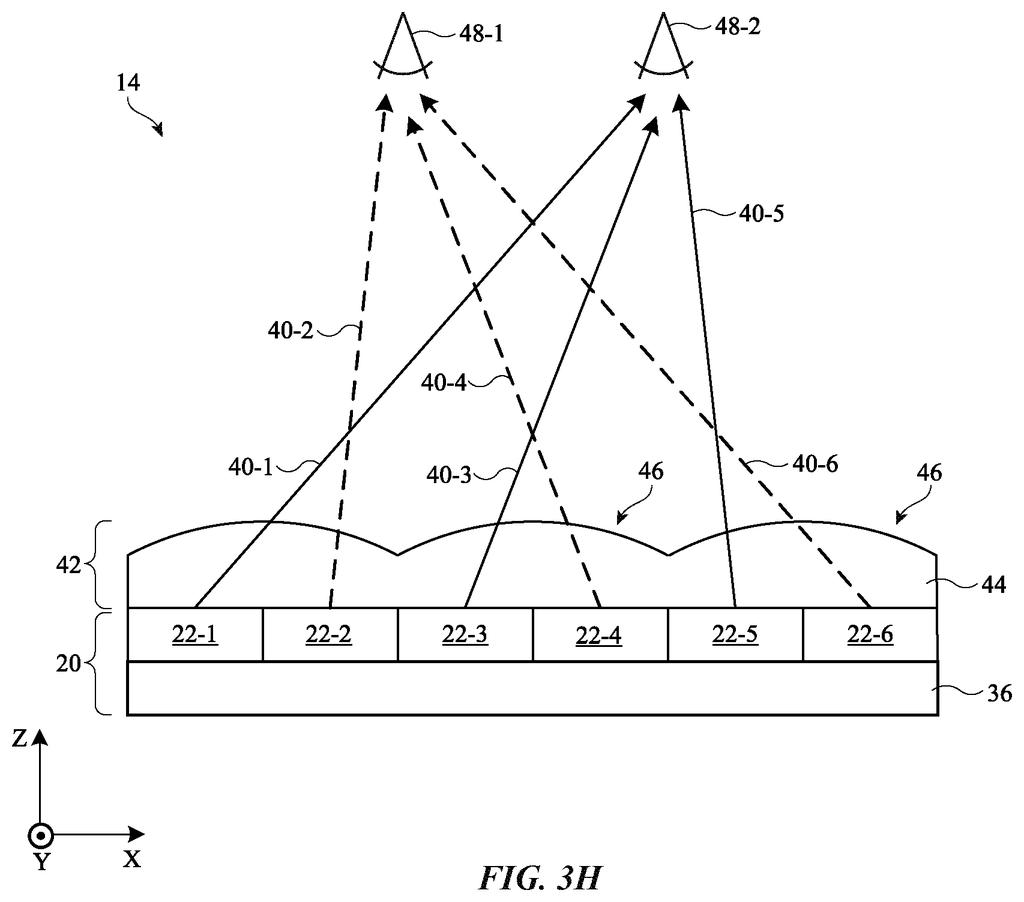
Apple's patent describes a system that watches where your head is at all times. The display is divided into zones, and each zone has its own ideal level of 3D pop. When you move from one zone into another, the content automatically adjusts how much it sticks out toward you or recedes away from you.
The goal is to keep content looking natural no matter where you are sitting or standing. You shouldn't have to stay perfectly still for the experience to look right, and this patent is trying to make that a reality.
while displaying, via the one or more display generation components, first content with a first magnitude of stereoscopic depth from a first viewing position that is in a first range of viewing positions, detecting, via the one or more input devices, a change in viewing position from the first viewing position to an updated viewing position …
Translation: As you move your head around while wearing the headset, built in sensors track your exact position in real time.
How the system tracks position and scales stereoscopic depth
The patent describes a computer system, almost certainly a headset, that tracks the user's viewing position in real time using input devices like cameras or sensors.
The display space is divided into distinct ranges of viewing positions. While your head stays within one range, content is shown with a specific magnitude of stereoscopic depth (stereoscopic depth is the degree to which virtual objects appear to float in front of or behind a flat surface, the same trick used in 3D movies). When your head moves into a different positional range, the system recalculates and reduces or increases that depth magnitude accordingly.
The key detail in the claim is the direction of the change: if you move into a second positional range, the content is shown with less stereoscopic depth than before. This suggests the system is correcting for cases where a closer or more off-axis viewing angle would otherwise make depth cues look exaggerated or uncomfortable.
The mechanism is reactive rather than predictive: it waits to detect a confirmed position change before adjusting, rather than trying to guess where you are headed.
The present disclosure generally relates to providing and/or displaying three-dimensional user interfaces.
Translation: Apple's patent describes technology for rendering interactive three dimensional digital objects on a screen.
What this means for comfort on Apple Vision Pro
For anyone using Apple Vision Pro or a future headset, this kind of automatic adjustment could remove a quiet but persistent source of eye strain and disorientation. Right now, mixed-reality experiences are often tuned for a single sitting position, and moving around even slightly can break the illusion.
a growing pile of Apple spatial-computing filings suggests the company is still actively solving comfort and realism problems in its headset line, not just adding features. A display that adapts to your position in real time would make extended use sessions more comfortable, which matters a lot for a device people are expected to wear for hours.
Apple's 53rd filing we've tracked in our AR glasses watchlist since May builds on ideas like a virtual accessory store and fixing camera-to-eye alignment.
From a user-experience standpoint, this patent addresses something you would notice almost immediately with a headset: the way 3D content looks wrong the moment you stop sitting perfectly still. That is not a corner-case complaint. It is one of the main reasons extended headset sessions feel tiring.
The fix described here works by adjusting depth based on broad positional zones rather than doing continuous, frame-by-frame tracking. That means there could still be a visible snap or shift when you cross from one zone into another, which might trade one visual artifact for another.
Still, having any automatic depth correction tied to head position is better than having none. If Apple ships something like this, most people would never consciously name the improvement, but they would feel it as a general sense that the experience is less exhausting and more natural to move around in.
There are more where this came from
We read every patent application Big Tech publishes and send you the ones worth knowing. Plain English, free, every week.
The drawings
62 drawing sheets from US 2026/0277388 A1 · click any drawing to enlarge


Want this weekly breakdown for a company we don't cover? Patentlyze Pro →