
Samsung Patents a Robot Vacuum That Slows Down When Placed on a High Surface
Every robot vacuum owner has picked up their machine and set it on a table or counter to clean around it. Samsung's new patent describes a system that would detect exactly that moment and automatically limit the device's speed before it rolls off the edge.
What Samsung's lift-detection safety mode actually does
Every time a robot vacuum gets stuck and you pick it up to move it somewhere else, the device has no idea whether you put it back on the floor or set it on a table two feet in the air. It just starts driving again at full speed, which is fine on the floor and potentially a problem on a countertop.
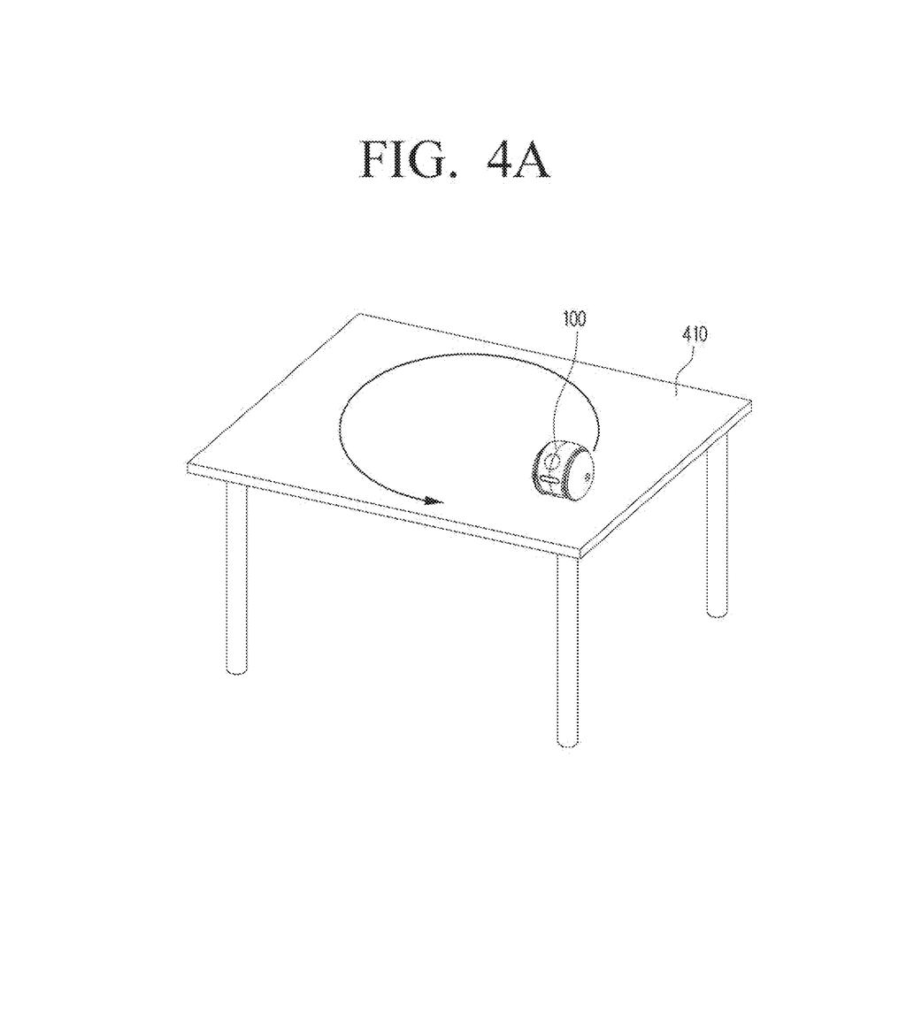
Samsung's filing describes a system that solves this. After the device detects it has been lifted, sensors check how high off the ground it is when placed back down. If that height falls within a certain range suggesting it's on an elevated surface, the device automatically switches into a slower, more cautious driving mode.
The idea is that the device adjusts its own behavior based on where it is, not just what's around it. You don't have to press anything or open an app. The robot figures out the situation and responds accordingly.
identify whether the electronic apparatus was lifted while the electronic apparatus is operating in a first driving state based on a first map of an area where the electronic apparatus is located; …
Translation: It checks if the device was picked up while cleaning normally.
How the device measures placement height after being picked up
The patent describes an electronic apparatus (the filing language is broad, but the context points clearly to a robot vacuum or similar mobile cleaning device) with at least one sensor, a motor driver, and a processor running the control logic.
The core sequence works like this:
- The device is operating normally using a stored map of its environment.
- It detects that it has been physically lifted, likely using wheel-contact sensors, accelerometers, or a combination of both.
- After it is set back down, sensors measure the height at which it has been placed.
- If that height falls within a defined range (the patent calls it a first range, meaning a band of heights that suggest an elevated surface like a table or shelf), the device enters a restricted speed mode where its velocity is capped below a set threshold.
The claim does not specify exactly which sensor type measures height, leaving room for pressure sensors, time-of-flight sensors, or camera-based depth estimation. That flexibility is deliberate in patent drafting, keeping the claim broad across different hardware implementations.
The patent also implies the device retains a prior map of its normal operating area, and that the slower driving state is distinct from its standard autonomous operation.
When the height is within a first range, the electronic apparatus operates in a second driving state in which a speed of the electronic apparatus is limited to less than a first value.
Translation: If it is placed on a high surface, it moves much slower.
What this means for robot vacuums used on elevated surfaces
For robot vacuum owners, this addresses a real, if niche, safety gap. Current devices generally resume full-speed operation after being relocated, whether they land on the floor or on a kitchen island. A fall from table height is enough to damage the unit or anything below it.
The practical value here is in what the user does not have to do: no manual mode switch, no app interaction. If Samsung builds this into future devices, the robot handles the judgment call on its own. a growing pile of Samsung robot-autonomy filings suggests the company is investing seriously in making these devices more situationally aware, rather than just faster or quieter.
Samsung's 42nd filing we've tracked in our home robot patent watch since May builds on work like matching scans to floor plans and magnetic charging handshakes.
Claim 1 is written broadly enough to cover any mobile electronic device that detects lifting and then measures placement height, not just vacuums. That scope could matter: if granted, it would give Samsung a claim over a fairly common-sense behavior that competitors might otherwise implement independently.
The narrow technical window the claim actually requires is the height-sensing step after placement. A competitor could potentially sidestep it by triggering caution mode based solely on the lift event itself, without measuring where the device lands. That gap makes the claim less of a wall and more of a specific corridor.
For consumers, the underlying idea is useful enough that you wonder why it isn't already standard. The patent exists because the implementation details, specifically how height is detected and what threshold triggers the slower mode, are where the real engineering work lives.
There are more where this came from
We read every patent application Big Tech publishes and send you the ones worth knowing. Plain English, free, every week.
The drawings
11 drawing sheets from US 2026/0277216 A1 · click any drawing to enlarge


Want this weekly breakdown for a company we don't cover? Patentlyze Pro →