
Samsung Patents a Hinge That Cradles the Flexible Screen as the Phone Folds
The most vulnerable moment for any foldable phone is the fold itself. Samsung's latest patent filing describes a hinge that physically makes room for the screen as it bends, instead of just letting the panel crease under pressure.
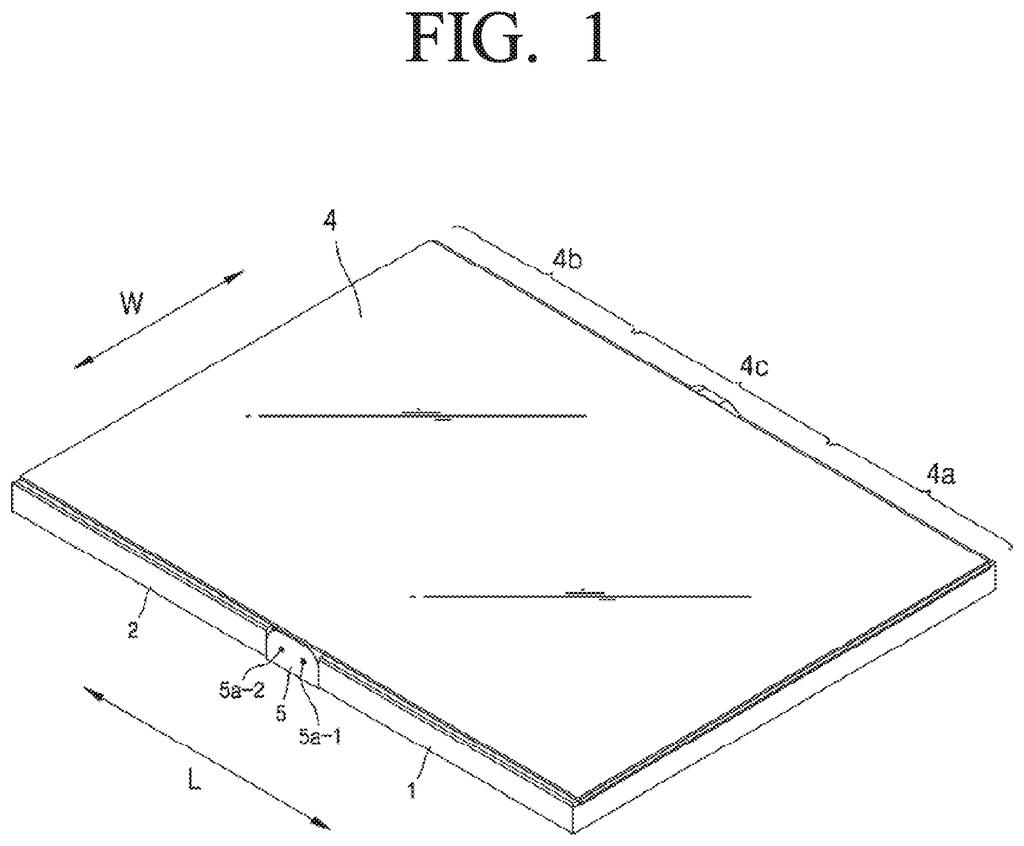
What Samsung's folding-screen pocket design actually does
Ever tried folding a piece of paper that's a little too thick? It buckles and creases where you don't want it to. A foldable phone screen faces the same problem every time you close it.
Samsung's patent describes a hinge system where the two halves of the phone actually slide slightly outward from each other as the device closes. That motion creates a small gap, or pocket, right at the fold point. The flexible middle section of the screen folds into that space instead of being squeezed between two rigid panels.
The idea is that the screen gets room to bend naturally, rather than being pinched. It's a bit like how a book spine flexes outward when you open the book flat. Samsung is trying to engineer that same breathing room into a phone that has to fold thousands of times over its life.
… a receiving space for receiving the third portion of the flexible display is formed between the first support portion of the first body and the second support portion of the second body …
Translation: The hinge creates a protective pocket to cradle the screen safely when the phone closes.
How the two bodies slide apart to form a display cradle
The patent covers a foldable device with three distinct zones on its flexible display: a first portion, a second portion, and a third portion (the middle section that actually bends) sitting between them.
The device has two rigid bodies, each attached to one flat section of the screen. Each body also has a support portion that extends toward the fold zone but does not fully cover it. The critical detail is in the hinge: there are two separate hinge shafts, one coupled to each body, rather than a single central pivot.
As the phone closes, both bodies move away from their respective hinge shafts. In practice, each half slides outward from the center. This motion creates a receiving space between the two support portions, exactly where the flexible middle panel needs to go when bent. The screen folds into that cavity rather than pressing flat against a hard backing.
- Flexible display split into three zones: left, right, and bend region
- Two-shaft hinge lets each body translate outward on closing
- A pocket forms automatically at the fold to house the bending panel
- Reduces mechanical stress on the most fragile part of the screen
What this means for foldable phone durability
Foldable phones have improved a lot since the first generation, but the fold crease remains the most common failure point and the most visible cosmetic flaw over time. A hinge that actively creates clearance for the screen to bend into addresses that problem at the structural level, not just through better screen materials.
For everyday users, this could translate to a fold crease that stays shallower for longer, and a screen that is less likely to delaminate or develop cracks at the hinge after years of opening and closing. It may also allow Samsung to make the device fold more completely flat without pressing the screen between the two panels, which would tighten the closed profile of the phone.
Samsung's 76th filing we've tracked since May on our Samsung foldable phones watchlist follows earlier applications on waterproofing foldable screens and a combined slide-and-vibrate motor.
The hinge here works by letting both halves of the phone slide outward when you fold it, creating a small pocket of extra room for the flexible screen to rest in. That solves a real problem, but it multiplies the number of parts that have to move in perfect coordination every single time you open or close the device. More moving parts means more surfaces that dust, wear, or a bad drop can eventually knock out of alignment.
It also means the thinnest part of the phone, right at the fold, has to house a mechanism that needs physical travel room to do its job. That is a direct tension with the push toward slimmer devices.
The crease on foldable screens is one of the most consistent complaints from people who actually use them daily, so targeting it with serious mechanical design is a reasonable call. The question is whether buyers will still feel that way a few years in, when the sliding parts have logged thousands of cycles.
There are more where this came from
We read every patent application Big Tech publishes and send you the ones worth knowing. Plain English, free, every week.
The drawings
55 drawing sheets from US 2026/0276033 A1 · click any drawing to enlarge


Want this weekly breakdown for a company we don't cover? Patentlyze Pro →
Be the first to weigh in