
Qualcomm Patents a Way to Adjust Bluetooth Audio Links Without Dropping the Connection
Every time your Bluetooth earbuds have to renegotiate their connection settings, there's a risk of a dropout. Qualcomm has filed a patent for a system that swaps those settings on the fly, while the audio keeps playing.
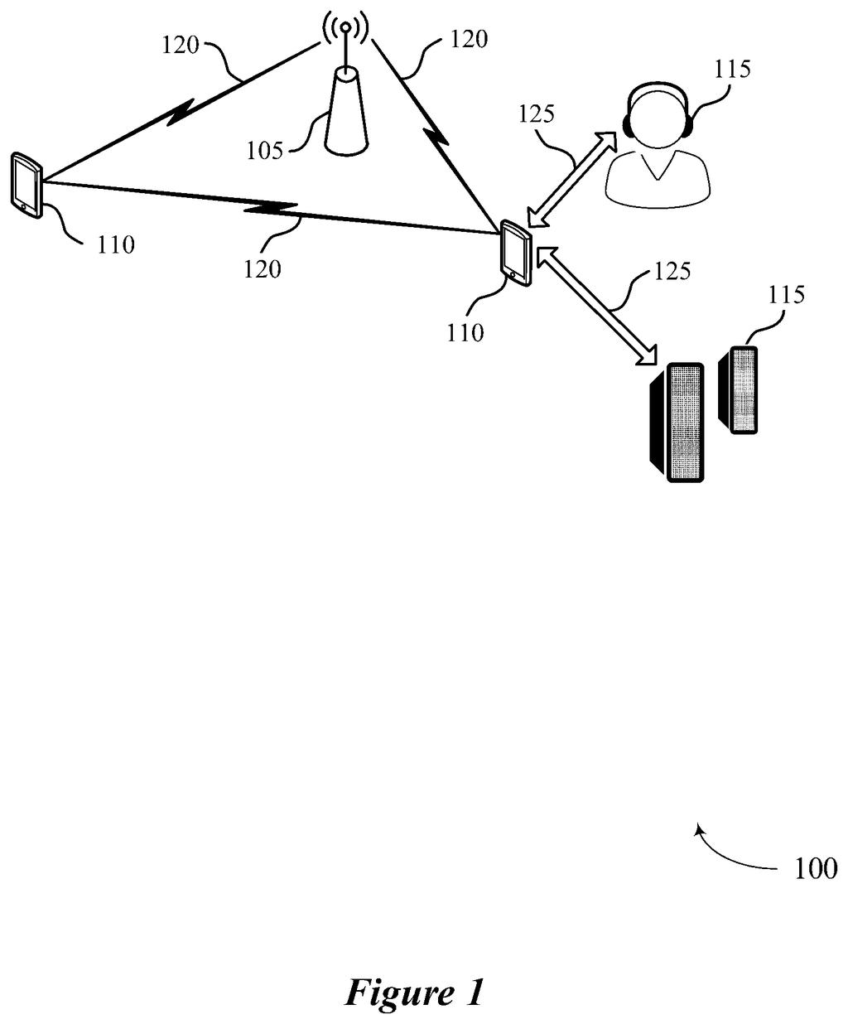
What Qualcomm's mid-stream Bluetooth fix actually does
Imagine you're listening to music through wireless earbuds and the audio suddenly cuts out for a second because your phone had to re-establish the connection. That brief interruption is what Qualcomm's new patent is trying to eliminate.
Right now, when a Bluetooth device needs to change its connection settings (say, to use less power or handle a different audio quality), it typically has to tear down the link and build it back up. Qualcomm's approach lets the two devices agree on a new set of settings in advance, then switch over at a specific scheduled moment, all while the connection stays live. Think of it like a train switching tracks at full speed instead of stopping at a station.
The system is designed for a specific type of Bluetooth called Bluetooth Low Energy, which is used in earbuds, hearing aids, and similar devices. Your earbud can accept or reject a proposed settings change, and if it accepts, the switch happens automatically at the agreed time.
… transmit an indication of an update from an initial parameter set of the isochronous communication link to the first parameter set, wherein the indication comprises an identifier of the first parameter set and a time at which the first parameter set is to be applied; …
Translation: The device sends a message stating which settings to use next and the exact time to switch.
How the device negotiates and schedules parameter swaps
Qualcomm's patent covers a method for updating the parameters of an isochronous communication link (a connection that delivers data at regular, timed intervals, which is essential for audio that has to stay in sync) without tearing it down and rebuilding it.
Here is how the process works:
- A central device (like a phone or laptop) prepares one or more named "parameter sets" and sends them to the connected device (like earbuds).
- The remote device reviews each set and replies with either an accept or reject signal.
- When the central device wants to switch to a new setting, it sends an update message that includes which parameter set to use and exactly when to apply it, measured in Bluetooth time slots.
- Both devices keep using the current settings until that scheduled moment, then both flip to the new ones simultaneously.
The key innovation is the pre-negotiation step. Because both sides have already agreed on the available options before any switch is requested, the actual handoff is a simple, low-risk event rather than a full reconnection. The identifier in the update message ties the instruction to a specific pre-approved configuration, removing ambiguity.
The patent also covers the case where a device needs to reject a proposed set mid-stream, giving the central device a way to fall back gracefully rather than losing the connection entirely.
… dynamic or “on-the-fly” parameter updates for an ISO communication link without shutting down and re-establishing the ISO communication link.
Translation: Audio settings can change while you are listening without dropping the connection.
What this means for wireless earbuds and hearing aids
For everyday listeners, the direct payoff is fewer audio dropouts when a device shifts its Bluetooth settings, which can happen when your battery gets low, when signal conditions change, or when you move between audio modes. Hearing-aid users are one group that would notice this most: a dropped connection for even a fraction of a second can mean a lost word in a conversation.
On the product side, this kind of dynamic tuning also opens the door for more aggressive power management. A device could shift to a lower-power setting when you're sitting still and ramp back up when audio demand increases, all without you ever hearing a glitch. Qualcomm's interest in Bluetooth Low Energy efficiency shows up across a number of its recent chip and firmware filings, and this patent fits that broader push to squeeze more battery life from wireless audio chips.
Qualcomm's 434th filing in our Qualcomm coverage since May adds to a pattern of connection-smoothing ideas, following the Wi-Fi handoff patent and the signal-prediction chip filing.
Most people have never wondered why their earbuds occasionally skip or cut out mid-song, but the cause is often the device rebuilding its wireless connection from scratch. This patent targets that specific moment, letting devices agree on backup settings in advance and switch between them cleanly, so the audio never has to stop while the handshake happens.
The practical test is narrow but meaningful: does sound stay unbroken when a phone moves across a room, a battery drops low, or a hearing aid shifts from quiet to loud surroundings? Those are the moments this is designed to prevent, and they are moments real people actually notice.
Whether this reaches shipping hardware or stays in a standards document is an open question. But if it does ship, the person wearing the device will simply notice that nothing went wrong, which is exactly the right outcome.
There are more where this came from
We read every patent application Big Tech publishes and send you the ones worth knowing. Plain English, free, every week.
The drawings
12 drawing sheets from US 2026/0292540 A1 · click any drawing to enlarge


Want this weekly breakdown for a company we don't cover? Patentlyze Pro →
Be the first to weigh in