
Nvidia Patents a System That Auto-Updates AI Model Cards After Every Change
Every time an AI model gets fine-tuned or quantized, its documentation instantly falls out of date. Nvidia's new patent wants to fix that with a system that automatically rewrites the model's 'nutrition label' every time the model changes.
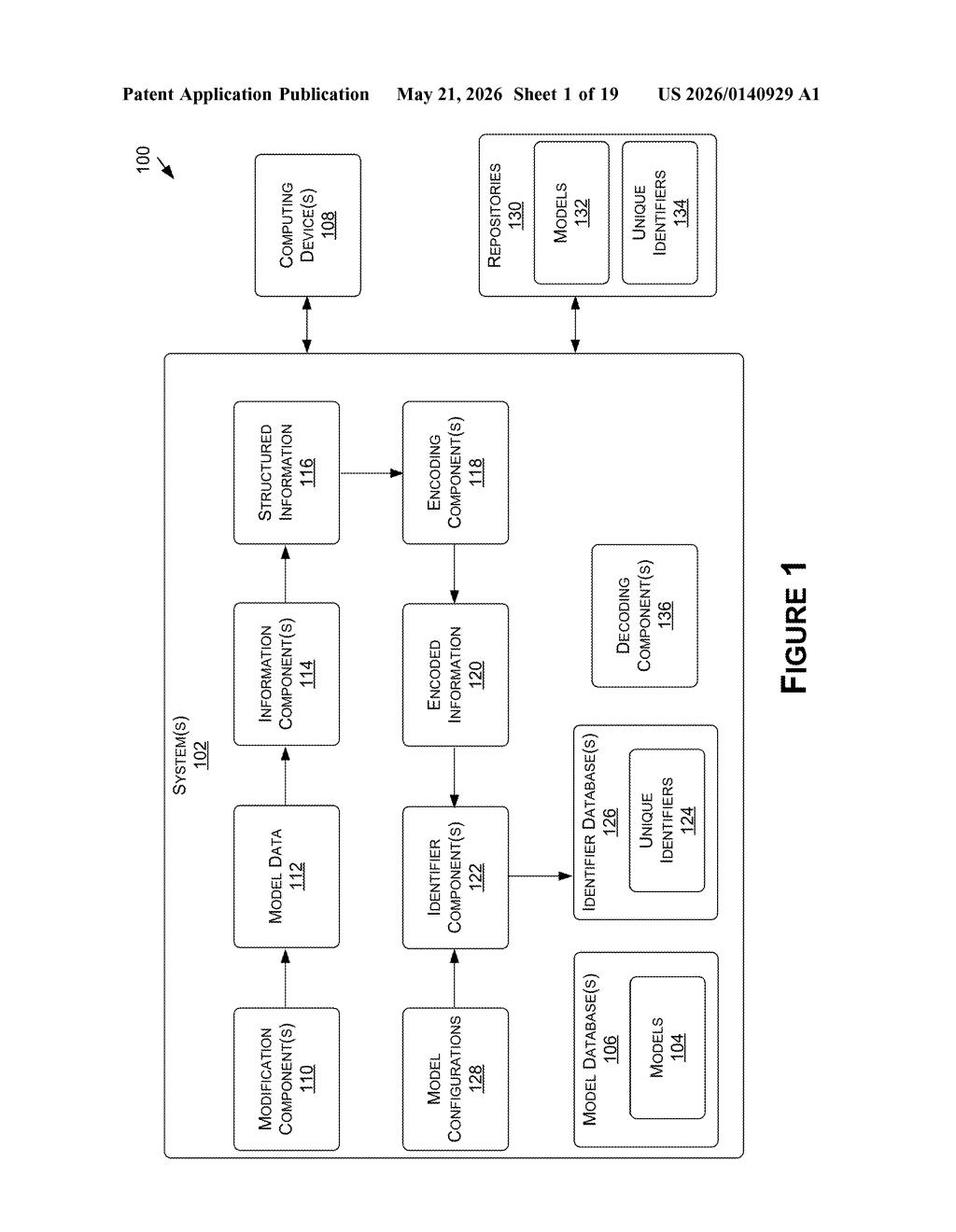
What Nvidia's auto-updating model cards actually do
Think of a model card like a nutrition label for an AI model — it tells you what the model can do, what data it was trained on, and what its limitations are. The problem is that AI models get tweaked constantly: companies compress them to run faster, fine-tune them on new data, or optimize them for specific hardware. Every time that happens, the old label is wrong, and nobody automatically updates it.
Nvidia's patent describes a system that watches for those changes and rewrites the model card on its own. It does this by encoding details about each modification into a unique ID — essentially a fingerprint — that gets attached to the new version of the model. When the system sees that fingerprint, it knows exactly what changed and can fill in the updated documentation automatically.
There's a bonus feature here: when a device requests the model, the system checks the updated card against what that device can actually handle. If your hardware supports the optimized version, you get that one. It's automatic model routing, baked right into the documentation layer.
How hashed identifiers track model modifications
The core mechanic relies on a hashed unique identifier — think of it as a compact, encoded fingerprint generated by running modification data through a hashing algorithm. This ID encodes what kind of change was made: fine-tuning (retraining on new data), quantization (reducing numerical precision to shrink the model), optimization (restructuring for faster inference), and so on.
When the system detects a new model version, it decodes the unique identifier using one or more decoders to extract the specifics of what changed. It then pulls the existing model card for the original version and appends supplemental information — details about the modification — to generate an updated card. The process is designed to repeat with each successive version, so a model that's been modified five times ends up with a card that reflects all five generations of changes.
The patent adds an interesting dispatch layer on top of that:
- A computing device sends a request for the model along with a capability profile (what the device supports).
- The system cross-references the updated model card against those capabilities.
- It then decides which version of the model to serve — and sends the appropriate execution data back.
This turns the model card from a static document into an active decision-making artifact, not just a reference file.
What this means for AI model governance and deployment
For anyone deploying AI at scale — cloud providers, enterprise ML platforms, model hubs — model governance is a growing headache. Regulations like the EU AI Act increasingly require accurate, up-to-date documentation for AI systems. A system that auto-generates that documentation as a side effect of normal deployment workflows would directly reduce compliance overhead.
On the technical side, the capability-matching feature hints at a smarter model-serving layer. Rather than requiring developers to manually pick the right model variant for their hardware, the system could automatically route edge devices to quantized versions and full servers to the original. For Nvidia, whose hardware spans everything from data-center GPUs to Jetson edge chips, that kind of intelligent routing fits neatly into their existing deployment ecosystem.
This is a genuinely useful infrastructure patent, not a flashy AI capability. The problem it solves — model documentation rotting the moment a model is modified — is real and underappreciated. The capability-matching dispatch layer is the most interesting technical hook, because it turns model cards from passive docs into active routing logic. If Nvidia ships this inside something like NIM or the NGC catalog, it could quietly become a standard part of enterprise AI deployment.
Get our take in your Top Stories
Liked this breakdown? Add Patentlyze as a preferred source on Google, and our plain-English take shows up more often in your Top Stories the next time Nvidia patent news breaks.
There are more where this came from
We read every patent application Big Tech publishes and send you the ones worth knowing. Plain English, free, every week.
Want this weekly breakdown for a company we don't cover? Patentlyze Pro →