
Microsoft Patents a Sodium-Lithium Chloride Electrolyte for Solid-State Batteries
Microsoft is patenting battery chemistry — not software, not silicon — specifically a new solid electrolyte compound that can carry both lithium and sodium ions at the same time.
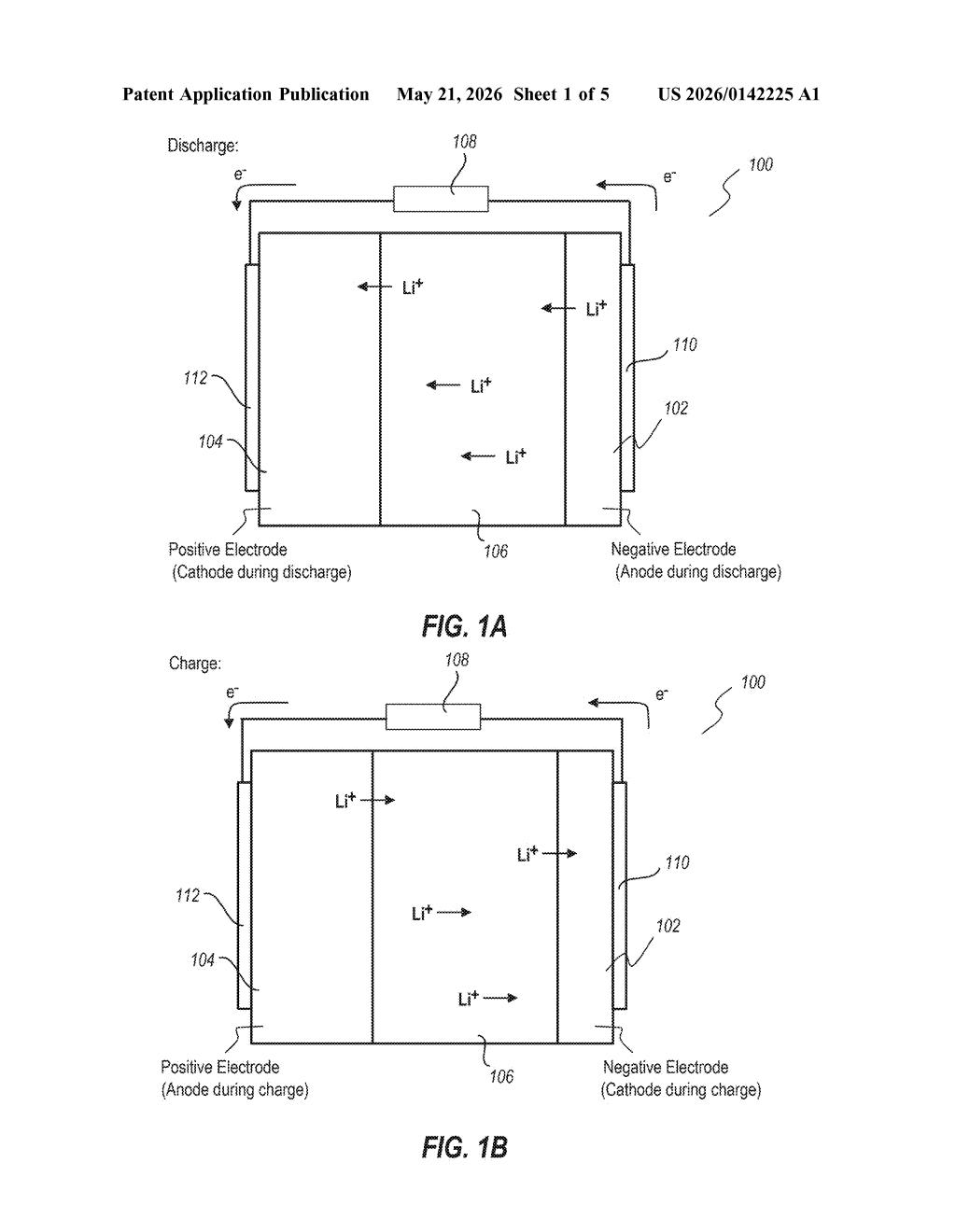
What Microsoft's hybrid solid electrolyte actually does
Most batteries you've used run on liquid electrolytes — the stuff that lets ions move between the positive and negative ends of the battery. Liquid electrolytes work, but they can leak, catch fire, and degrade over time. Solid-state batteries replace that liquid with a solid material, which is potentially safer and longer-lasting. The catch? Finding a solid material that conducts ions well is genuinely hard.
Microsoft's patent describes a specific solid electrolyte compound — a carefully tuned mixture of sodium, lithium, yttrium, zirconium, and chlorine atoms. By tweaking the ratios of these elements, the compound can act as the ion highway inside a lithium-ion battery, a sodium-ion battery, or a hybrid that uses both. That last option is unusual and interesting: most batteries commit to one ion type.
Microsoft isn't a battery company, which makes this filing notable. The company has been investing heavily in AI infrastructure, and better battery chemistry could matter for everything from data center backup power to untethered devices.
How the Na-Li-Y-Zr-Cl compound enables ion transport
The patent centers on a solid electrolyte with the chemical formula (Na,Li₁₋ₓ)₃₋ₓ/₃Y₁₋ᵧZrᵧCl₆ — a mouthful that basically describes a halide-based (chlorine-containing) ceramic compound. The variables x and y let engineers tune how much sodium versus lithium is in the structure, and how much zirconium replaces yttrium.
The filing gives a specific worked example: when x=1 and y=0.75, you get Na₁.₇₅Li₀.₇₅Y₀.₂₅Zr₀.₇₅Cl₆. That particular ratio appears to be the sweet spot the inventors found for balancing conductivity and stability. Halide electrolytes in this family (Y-Zr-Cl systems) have been an active research area because they tend to have better electrochemical windows than sulfide-based alternatives — meaning they're less likely to break down at high voltages.
The battery architecture itself is described in three configurations:
- Lithium-ion mode — standard Li-ion chemistry with a solid electrolyte swapped in
- Sodium-ion mode — sodium as the primary charge carrier, which uses cheaper and more abundant materials
- Hybrid mode — both Li and Na ions act as charge carriers simultaneously, which is rare and potentially advantageous for rate performance
The claim structure is broad — it covers the compound across the full compositional range rather than locking in one ratio — which suggests Microsoft is staking out IP territory across the whole materials family.
What this means for solid-state battery development
Solid-state batteries have been "five years away" for about two decades now, so any new electrolyte chemistry filing needs to be taken with appropriate skepticism. That said, halide electrolytes are a genuinely active and promising research direction, and the hybrid Li/Na approach in this patent is not something you see often — it could allow a single battery design to trade off energy density against materials cost depending on manufacturing priorities.
What's more interesting is who filed it. Microsoft listing Matthias Troyer — one of the world's leading quantum simulation researchers — among the inventors suggests this compound may have been identified or validated using quantum chemistry simulation rather than purely lab trial-and-error. That would fit Microsoft's broader bet on quantum-accelerated materials discovery, and it's the kind of detail that makes an otherwise routine battery chemistry patent worth paying attention to.
This is a real materials science patent, not a software company dabbling in buzzwords. The hybrid Li/Na electrolyte angle is genuinely unusual, and the presence of Matthias Troyer in the inventor list raises the strong possibility that quantum simulation played a role in finding this compound — which would make this a proof-of-concept for Microsoft's quantum-for-materials-discovery thesis. Worth tracking.
Get our take in your Top Stories
Liked this breakdown? Add Patentlyze as a preferred source on Google, and our plain-English take shows up more often in your Top Stories the next time Microsoft patent news breaks.
There are more where this came from
We read every patent application Big Tech publishes and send you the ones worth knowing. Plain English, free, every week.
Want this weekly breakdown for a company we don't cover? Patentlyze Pro →