
Microsoft's New Patent Lets You Build an AI Chatbot by Talking to One
Building a custom AI chatbot usually means writing configuration files and rules by hand. Microsoft is patenting a system where you just... talk to an AI, and it builds the chatbot for you.
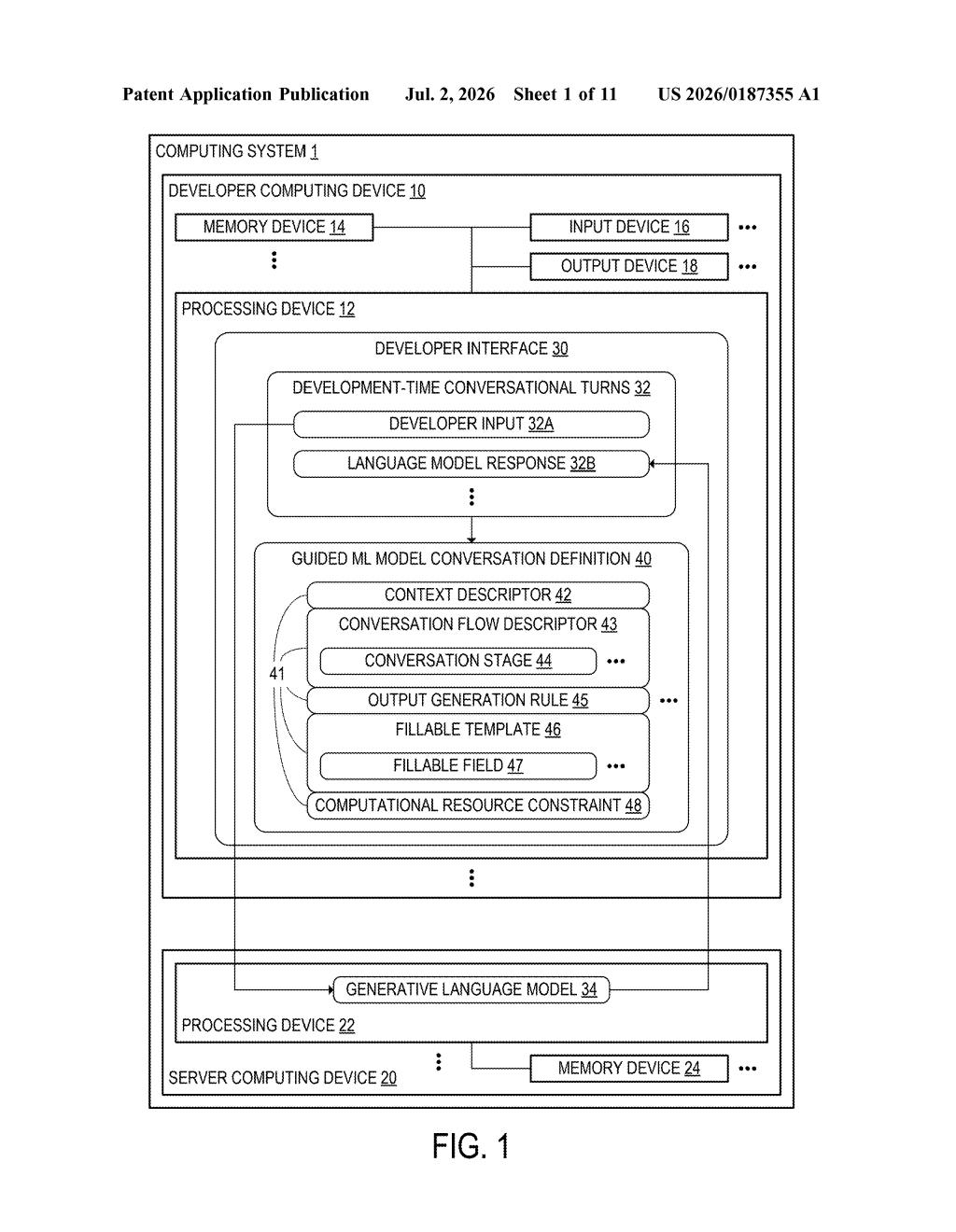
What Microsoft's conversational chatbot builder actually does
Imagine you want to build a customer service bot that collects a name, an order number, and a complaint, then formats everything into a tidy report. Normally, you'd need a developer to write out all the rules and templates from scratch. Microsoft's patent describes a different approach: a developer just has a conversation with an AI, describing what they want, and the AI assembles the blueprint automatically.
The result of that conversation is a kind of recipe, containing rules for how the chatbot should behave and a fill-in-the-blanks form it uses during real conversations. When a real user later talks to the finished chatbot, their answers get slotted into that form, and the completed form gets handed back as the output.
In short, Microsoft is proposing an AI that helps you build AI chatbots, using the same chat interface that the finished product will use.
How the template fills in during a guided AI conversation
The patent describes a two-stage system. In the first stage, a developer has a back-and-forth conversation with a generative language model (think a GPT-style AI) inside a special developer interface. Through that conversation, the AI iteratively builds up a set of definition components, which are the rules and structure that will govern the finished chatbot.
Those definition components include two key pieces:
- Output generation rules: instructions for how the chatbot should behave, what questions it should ask, and how it should respond.
- A fillable template: a structured form with blank fields that get populated during a real user session.
In the second stage, an end user talks to the finished chatbot. The system follows the rules set during development, guides the user through the conversation, and fills in the template fields based on what the user says. The completed, filled-out template is the final output.
The notable detail is that the AI model itself computes the definition components during the developer conversation, rather than requiring the developer to specify every rule manually. The developer describes the goal; the AI figures out the structure.
What this means for no-code AI tool building
Right now, building a structured AI chatbot typically requires writing detailed prompts, configuration files, or code. This patent points toward a future where a non-engineer could describe what they want in plain language and have a working chatbot definition generated for them. That's a meaningful shift in who can build these tools and how quickly.
For Microsoft, this fits squarely into its broader push to embed AI into developer and productivity tools like Copilot Studio, which already lets users build custom AI agents. A patent like this suggests Microsoft is working on making that process even more accessible, potentially letting anyone with a clear idea build a functional AI workflow without touching a configuration screen.
This is a sensible and well-scoped idea. The core insight, that you can use a conversational AI to define the rules for another conversational AI, is genuinely clever and practically useful. It's not flashy infrastructure work; it's the kind of UX thinking that could make Copilot Studio a lot easier to use for non-developers.
Get our take in your Top Stories
Liked this breakdown? Add Patentlyze as a preferred source on Google, and our plain-English take shows up more often in your Top Stories the next time Microsoft patent news breaks.
There are more where this came from
We read every patent application Big Tech publishes and send you the ones worth knowing. Plain English, free, every week.
Want this weekly breakdown for a company we don't cover? Patentlyze Pro →