
Google Patents a One-Time Code System for Adding Devices to Home Wi-Fi Networks
Adding a new smart home gadget to your existing network often means hunting for passwords or scanning QR codes. Google has filed a patent for a system where a device already on your mesh network generates a short-lived code that hands credentials to the new device automatically.
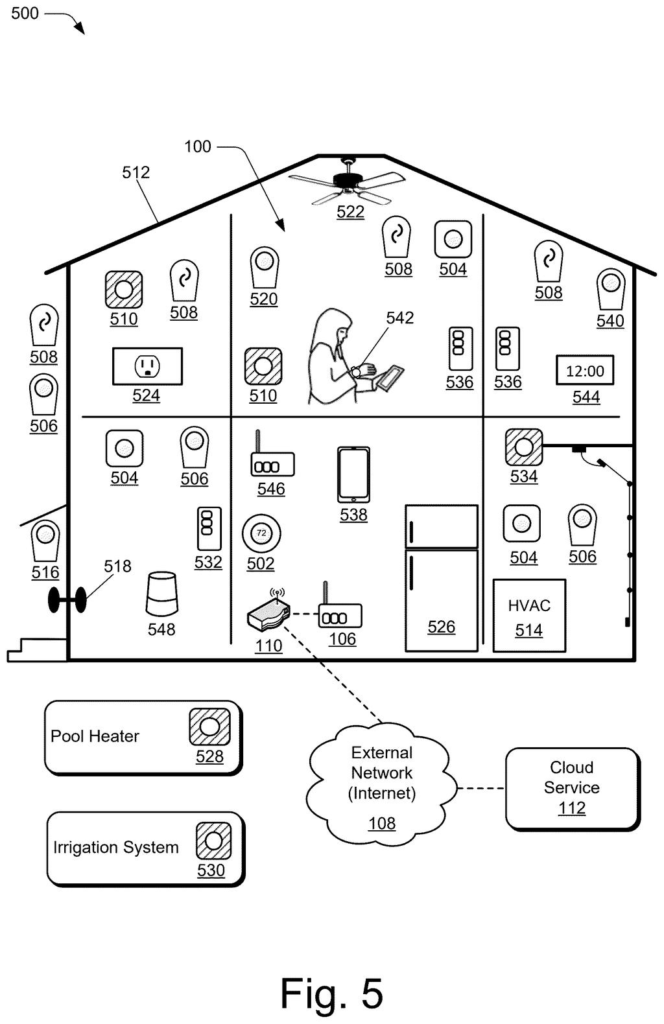
How Google's Thread device-sharing codes actually work
You're setting up a new smart home sensor, and it needs to join the same wireless mesh network your other devices are already on. Right now, getting that to happen cleanly often means digging up a network password or using a phone app that may or may not cooperate.
Google's filing describes a different approach. A device that's already on the network generates a temporary, one-time-use code. That code acts like a single-use key: it opens a secure channel between the new device and the existing one, and the existing one hands over whatever the new device needs to join. Once that exchange is done, the code is gone.
The technology involved is called Thread, a wireless standard designed specifically for low-power smart home devices like door locks, sensors, and light bulbs. Thread devices form a mesh network, meaning each device can relay signals for the others, making the whole system more reliable. This patent is about making it easier to grow that mesh without a fiddly setup process.
… requesting an ephemeral code from the second Thread device, the request directing the second Thread device to generate the ephemeral code; and using the ephemeral code, establishing a secure session with the second Thread device …
Translation: It asks an existing smart device to create a temporary code so the new device can securely connect.
How the ephemeral code gets generated and consumed
The patent describes a method for joining a new Thread device to an existing Thread mesh network using what it calls an ephemeral code (a code that exists only briefly and then expires or becomes invalid).
Here's the sequence the patent lays out:
- A commissioner device (think: your phone or a hub) discovers a Thread device that is already active on the network.
- The commissioner asks that existing device to generate a fresh ephemeral code on demand. The existing device creates it and sends it back.
- The commissioner uses that code to open a secure session (an encrypted, authenticated connection) with the existing device.
- Through that session, the existing device transfers the Thread network's credentials to the new device, letting it join.
The key engineering choice here is demand-generated codes. The code is not stored anywhere in advance; it is created at the moment it's requested. That means there's no long-lived secret sitting on a device waiting to be extracted. The patent also notes that either the commissioner device itself or a separate device can serve as the secure-session endpoint, giving the design some flexibility in how the handshake is arranged.
What this means for smart home setup headaches
For everyday users, this is about reducing the friction of adding new devices to a Thread-based smart home. Thread is the underlying network standard shared by Matter-compatible devices from Google, Apple, Amazon, and others. Anything that makes Thread device onboarding smoother has a direct effect on how painless smart home expansion feels in practice.
The ephemeral-code approach also has a real security upside. Because the code expires after use, a bad actor who intercepts it after the fact gets nothing. That's a meaningful improvement over systems that rely on a static password printed on the device's label, which never changes and can be read by anyone who picks up the box.
Google's 786th filing we've tracked since May in our Google coverage adds to a run that includes radar and Wi-Fi sharing and a battery-saving AI video chip.
The cost of this design is availability. To get a new device onto the network, an existing device has to be online, reachable by radio, and willing to hand out a temporary code on request. If that device is asleep, in a dead spot, or otherwise unresponsive, onboarding stops completely before it begins.
The other variable is how short "temporary" actually is. A code that expires in thirty seconds is meaningfully different from one that lasts ten minutes, and the patent leaves that window open. The security guarantee lives or dies on that implementation detail.
The trade reads as worth it. Generating a code on demand means there is no stored password sitting on a device waiting to be stolen, which is the more common failure mode in home networking hardware. Giving up simplicity to close that exposure is a reasonable call.
There are more where this came from
We read every patent application Big Tech publishes and send you the ones worth knowing. Plain English, free, every week.
The drawings
7 drawing sheets from US 2026/0304122 A1 · click any drawing to enlarge


Want this weekly breakdown for a company we don't cover? Patentlyze Pro →
Be the first to weigh in