
Google Patents a System for Sharing Radio Airwaves Between Radar and Wi-Fi
Your phone's Wi-Fi radio and its motion-sensing radar use the same sliver of airwaves, and right now they just get in each other's way. Google's new patent describes a way for one radio to formally borrow the other's frequency slot, so both can coexist without stepping on each other.
How Google's radar-sharing idea borrows Wi-Fi's airwaves
Imagine your home router and a radar sensor in a smart-home device trying to shout over each other at the same frequency. Neither works well, because they're both claiming the same airwaves at the same time.
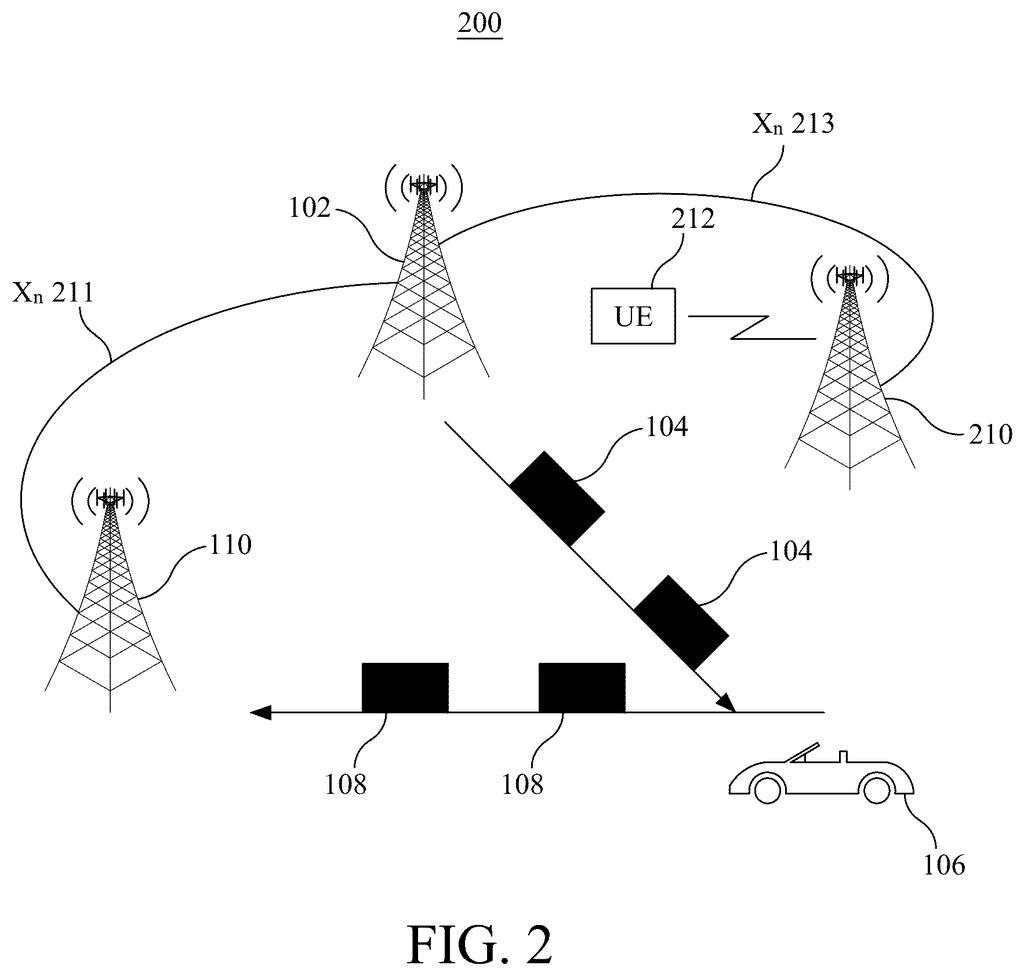
Google's patent describes a polite borrowing system. A radar device (or a regular communication radio that also does radar sensing) can ask a nearby device, "Hey, can I use your frequency slot for a moment?" If the other device agrees, the radar transmits its signal using those borrowed resources, then hands them back.
The idea is that spectrum, meaning the invisible radio frequencies everything wireless depends on, doesn't have to be owned exclusively by one function. Devices can share it dynamically, which could let radar sensing work reliably without buying its own dedicated chunk of airwaves.
A radar device or radio communication device can request one or more radio resources to be used for radar sensing from another radio communication device which otherwise uses those one or more radio resources to provide data communication with other radio devices.
Translation: One device asks another device normally used for Wi-Fi data to borrow some airwaves so it can do radar sensing instead.
How the request-and-transmit handoff actually works
The patent covers a request-and-respond protocol between two types of devices: a radar device that wants to sense its environment, and a radio communication device (think a Wi-Fi access point or a cellular base station) that currently owns a set of radio resources.
- The radar device sends a request for one or more radio resources (a frequency channel, a time slot, or a power level) that the communication device is already using to move data.
- The communication device evaluates the request and, if it can spare those resources at that moment, grants them temporarily.
- The radar device then transmits a radar waveform using exactly the identified resources, staying within the boundaries it was lent.
The key phrase in the claim is that those resources are ones the communication device "otherwise uses" for data. That means the patent is specifically about reusing occupied spectrum, not carving out fresh, empty airwaves.
This matters in practice because radar sensing (used for gesture control, presence detection, and automotive collision avoidance) increasingly overlaps with Wi-Fi and 5G bands. A coordination protocol like this could prevent interference and let a single radio chip handle both jobs.
What this means for radar sensing in phones and smart devices
Radar sensing is moving fast into consumer devices. Google's Pixel phones have used it for touchless gestures, and smart speakers and doorbells increasingly use radar to detect whether anyone is home. All of those features compete with Wi-Fi and Bluetooth for the same radio frequencies in your walls and pocket.
If this kind of sharing protocol became standard, a device wouldn't need a fully separate, dedicated radar radio. It could borrow time on an existing Wi-Fi or 5G chip, which would mean lower cost and smaller hardware. For you, that could translate to radar-powered features showing up in cheaper devices, or existing devices getting sensing capabilities through a software update that teaches their radios to share.
Claim 1 was canceled, which is the first thing to notice. In patent prosecution, that often means the original claims were rejected and the applicant is rewriting them. What's published here is essentially a placeholder describing a direction, not a granted right. Any analysis of what this patent "covers" has to start from that fact.
The abstract-level concept, asking one radio to lend its frequency slot to a radar device, is broad enough to describe almost any cooperative spectrum-sharing scheme. Whether that breadth survives examination depends on how the replacement claims are eventually written. The narrower they get, the less they block competitors; the broader they stay, the more likely the examiner pushes back again.
For readers tracking Google's interest in radar sensing, this filing fits a pattern of keeping radar viable on shared consumer hardware. But a publication with canceled claims is closer to a stake in the ground than a patent. It signals intent, not protection.
There are more where this came from
We read every patent application Big Tech publishes and send you the ones worth knowing. Plain English, free, every week.
The drawings
9 drawing sheets from US 2026/0287708 A1 · click any drawing to enlarge


Want this weekly breakdown for a company we don't cover? Patentlyze Pro →
Be the first to weigh in