
Qualcomm Patents a System Letting Your Phone Ask for Sharper AI Performance Data
Your phone's AI models need a steady diet of reference signals to stay accurate on a cellular network. Qualcomm's new patent lets the phone itself ask the tower to change those signals when the ones it's getting aren't good enough.
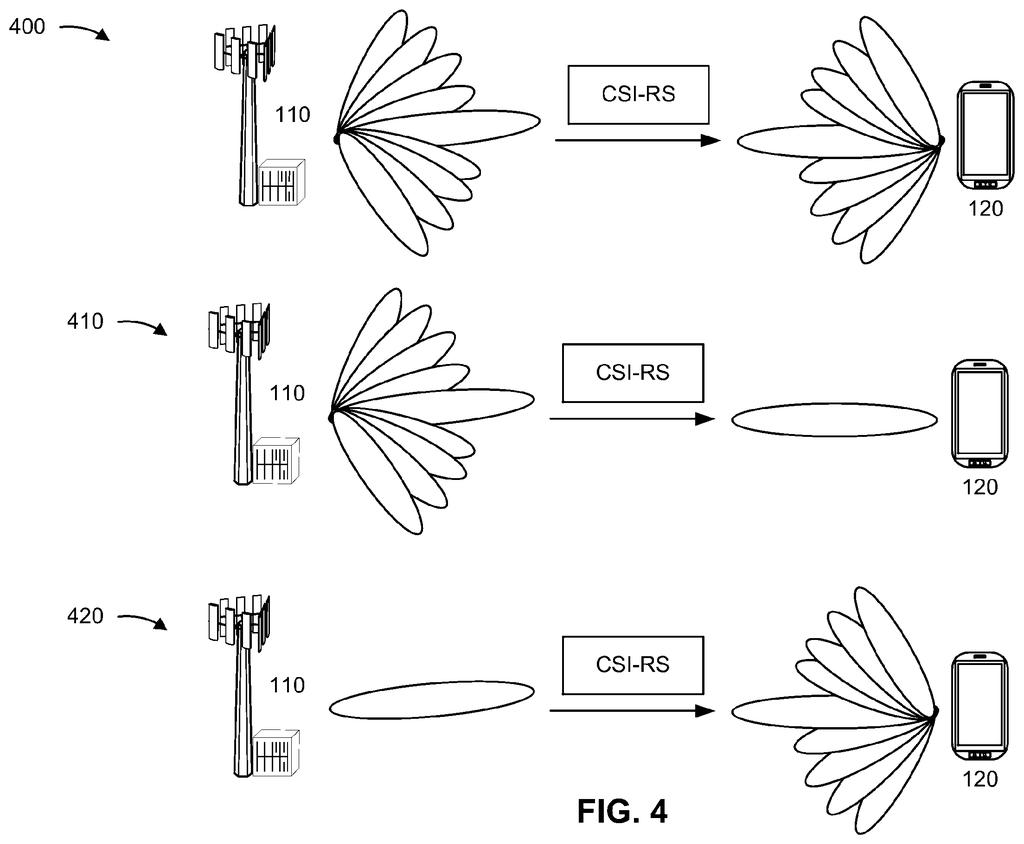
What Qualcomm's adaptive AI signal switching actually does
Ever tried to calibrate a compass near a metal desk, only to get completely wrong readings? AI models inside your phone that help manage your wireless connection face a similar problem: the data they use to check their own accuracy can become stale or miscalibrated.
Qualcomm's patent describes a system where your phone constantly receives small "reference signals" from the cell tower, which its AI uses to measure how well it's performing. When the phone detects something has gone wrong, it can send a message back to the network saying, in effect, "I need a different kind of signal to keep my AI working properly." The network then switches to a new set of reference signals tailored to the situation.
Think of it like a phone asking its teacher for a different kind of practice test when the current one isn't telling it anything useful. The goal is to keep the AI models that manage your call quality, speed, and battery use from drifting off target.
… transmit, based at least in part on detection of a trigger event, an indication to use a second set of parameters for transmission of second RSs associated with AI/ML performance monitoring; …
Translation: The phone sends a signal to change how performance data is sent when a specific event happens.
How the phone detects a problem and requests new signal parameters
The patent centers on a feedback loop between a device (called a user equipment, or UE, in wireless standards language) and the cellular base station.
The base station normally sends reference signals (RSs) on a fixed schedule using a fixed set of parameters, things like frequency, timing, and transmission power. The phone's AI or machine learning model uses these signals to monitor its own performance, essentially checking whether its predictions about the wireless channel are still accurate.
When the phone detects a trigger event (a change in signal quality, a shift in the physical environment, or a drift in model accuracy), it transmits an indication back to the network. This indication asks the network to switch to a second set of parameters for sending reference signals. The network then sends new reference signals configured to better suit the current conditions.
The mechanism is deliberately device-initiated. Rather than waiting for the network to notice a problem on its own, the phone takes the first step. The patent covers both the device side (detecting the trigger, sending the request, receiving the new signals) and the network side (handling the request and adjusting transmission). This kind of adaptive monitoring loop is part of the broader 5G-Advanced and 6G push to embed AI directly into radio access network management.
The UE may receive, based at least in part on the indication, the second RSs associated with AI/ML performance monitoring.
Translation: The device then receives sharper AI performance data based on that request.
What this means for AI-driven 5G connections
Modern 5G networks increasingly rely on AI models to make fast decisions about how to route data, manage interference, and allocate spectrum. Those models need accurate, timely calibration data to stay useful. If the reference signals they depend on don't reflect current conditions, the AI's decisions can degrade your connection quality without anyone knowing why.
For you as a user, this is mostly invisible infrastructure. But Qualcomm's run of AI-in-wireless filings points to a future where your phone is less a passive receiver and more an active participant in managing its own link to the network. Getting the calibration signal design right is a prerequisite for that shift, and a device that can ask for better data is meaningfully more capable than one that simply accepts whatever the tower sends.
Qualcomm's 460th filing in our Qualcomm coverage since May adds to a run of driver-awareness ideas that includes a wheel-grab detector and an AI road-threat co-pilot.
Letting a phone request a change in how it's being monitored, rather than waiting for the tower to notice a problem, buys real speed. The cost is coordination: if every phone on a busy tower hits a trigger at the same moment, they all send requests simultaneously, and that surge lands on exactly the infrastructure that was already struggling.
The patent leaves the definition of a valid trigger largely for the network to decide later. That could be wise restraint, or it could mean the hardest part of the scheduling problem has simply been deferred.
As a trade, it reads as acceptable but incomplete. Establishing who can ask for a change is useful groundwork; deciding when they should ask is where the actual reliability lives, and this filing does not close that gap.
There are more where this came from
We read every patent application Big Tech publishes and send you the ones worth knowing. Plain English, free, every week.
The drawings
11 drawing sheets from US 2026/0291677 A1 · click any drawing to enlarge


Want this weekly breakdown for a company we don't cover? Patentlyze Pro →
Be the first to weigh in