
Amazon Patents a Way to Refresh an AI's Memory Mid-Answer
Most AI models lock in what they "know" before they start answering you. Amazon is patenting a system that swaps in new information while the model is still typing out its response.
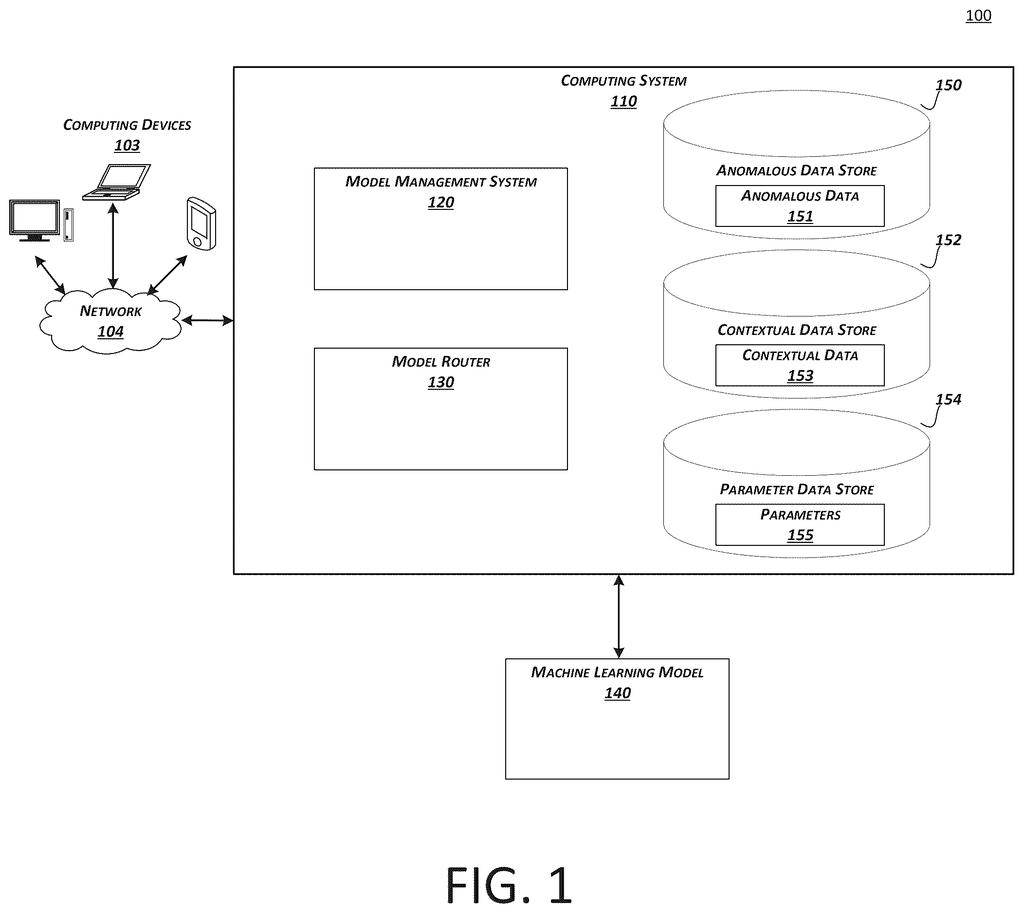
How Amazon's mid-answer context swap actually works
Ever asked a question and realized mid-sentence that the person answering you was working from outdated information? AI assistants have the same problem, but worse: they load up a set of background knowledge before they start, then write their entire response based on that snapshot, even if better information exists.
Amazon's patent describes a system that watches an AI's response as it's being generated, word by word. When the system spots certain signals (a topic shift, a specific word, or just enough words having passed), it can pause, fetch fresher or more relevant background information from an outside database, and hand that new context to the model. The model then continues writing with that updated knowledge in hand.
The practical upshot is an AI that can course-correct during an answer rather than being stuck with whatever it was loaded with at the start. Think of it like a researcher who keeps their inbox open while writing a report, swapping in the latest data the moment it becomes relevant.
… determine that the first data unit satisfies one or more first parameters associated with adjustment of the first contextual data, wherein the one or more first parameters are based on one or more of a difference in contextual data, a time period, a number of data units, or data included within a particular data unit; …
Translation: It decides when the ongoing AI answer has reached a point that requires updating its background information.
How the system watches tokens and triggers a context pull
The patent describes a middleware system that sits between a user's request and the AI model running on a cloud server. Here's how the pieces fit together:
- Prompt delivery: The user's question and an initial block of contextual data (background facts the model needs) are sent to the model together. The model starts generating a response as a stream of tokens (individual words or word-fragments).
- Token monitoring: As those tokens arrive in real time, the middleware watches for conditions that signal a context update is needed. These triggers can be a difference in the topic being discussed, a set amount of time passing, a count of tokens generated, or specific content appearing in the output itself.
- External data fetch: When a trigger fires, the system pulls second contextual data from an outside data store. This is a separate database, not baked into the model, so it can hold up-to-date or specialized information.
- Context filtering and merge: The original context is then filtered (trimmed or re-weighted, so the model isn't overloaded with contradictory information) and the new context is added. The model finishes generating its response using this combined, updated picture.
The key technical trick is that this all happens during inference (the technical word for the moment a model is actively computing an answer), not before it starts. Most retrieval-augmented systems (systems that pull outside facts to help an AI) do their fetching before the model begins writing. This patent moves that fetch into the live generation loop.
… dynamically adjust contextual data of a machine learning model during an inference process of the machine learning model.
Translation: It changes the instructions or memory an artificial intelligence relies on while it is actively writing a response.
What live context-switching means for AI assistant quality
For everyday users, this could mean AI assistants that handle longer, more complex questions without veering into outdated or off-topic territory. A customer service bot, for example, could start answering a billing question and then pull in a user's latest account data mid-response rather than relying on a snapshot taken at the start of the session.
Amazon's run of AI inference filings suggests the company is thinking hard about how to make large language models more reliable at scale, not just faster. For any business running AI assistants on Amazon's cloud infrastructure, a system that can dynamically refresh what a model "knows" mid-answer could reduce the need to restart conversations or re-prompt models when the topic drifts.
Amazon files its sixth patent in the AI assistant work we've tracked since May, adding to earlier applications like one on recalling past chats and one on converting requests to commands.
Anyone who has used an AI assistant for a long, complicated conversation has hit the moment where it confidently tells you something wrong because the world moved on while you were talking. That gap between what the AI knows and what is currently true is not a minor inconvenience; it causes bad decisions, and it poisons trust in tools that businesses are staking real money on.
The approach here addresses that by letting the assistant pull in fresh information mid-conversation, triggered by signals like a topic shift or a question that clearly needs current data. That matches how real conversations actually work, where new facts arrive and change what good answers look like.
The honest question is whether the pause to fetch updated information frustrates users more than stale answers do. If the speed cost is manageable, this solves a problem that is already costing people something every day.
There are more where this came from
We read every patent application Big Tech publishes and send you the ones worth knowing. Plain English, free, every week.
The drawings
9 drawing sheets from US 2026/0300816 A1 · click any drawing to enlarge


Want this weekly breakdown for a company we don't cover? Patentlyze Pro →
Be the first to weigh in