
Qualcomm Patents a Two-Stage Avatar System That Shows a Placeholder While Your Real One Loads
Joining a virtual reality meeting shouldn't mean staring at an empty space where someone's avatar should be. Qualcomm has filed a patent for a system that shows a quick stand-in version of a person's avatar immediately, then swaps it for the real, fully personalized one once it finishes loading.
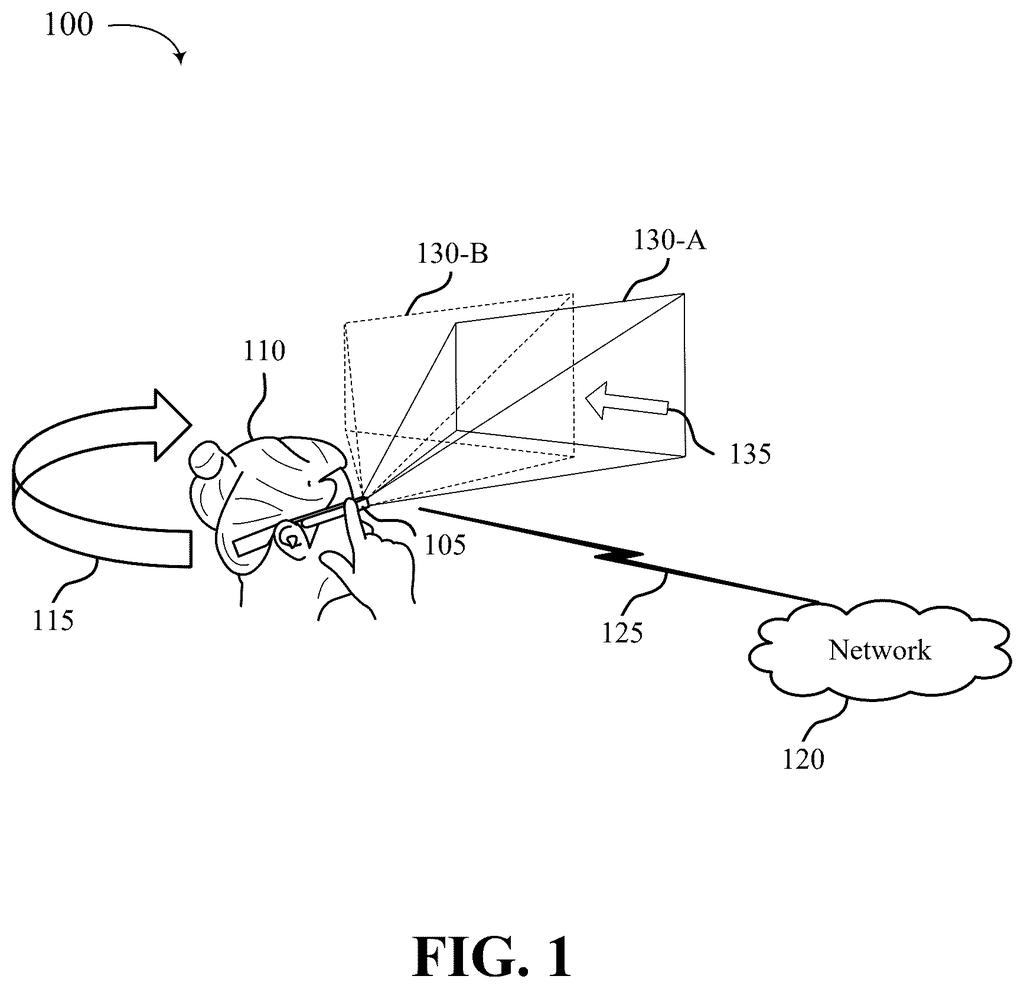
What Qualcomm's two-stage avatar swap actually does
Right now, when you join a virtual session, your device often has to download the full avatar data for every other participant before anyone appears on screen. Depending on file sizes and network speed, that can mean an awkward blank-space delay at the start of every call.
Qualcomm's patent describes a two-step fix. While your device is still downloading someone's full avatar information, a server sends you a pre-made, simpler rendering of that person's virtual character. Your device shows that placeholder right away so the meeting feels populated and real. Once the full avatar data finishes downloading, your device generates and displays the high-fidelity version, replacing the placeholder automatically.
The result is that you see some version of the other person almost instantly, rather than waiting for the complete package to arrive. It's a bit like how websites load a blurry thumbnail of a photo first and sharpen it as more data arrives.
begin downloading, from a repository, avatar information for a virtual representation of a user of a second device for a virtual session; …
Translation: Your device starts downloading the custom avatar data from a server when you join a virtual room.
How the placeholder-to-full-avatar handoff works
The patent describes a distributed system where two different types of avatar data travel by two different routes to your device.
First rendering (the placeholder): A network device tied to the virtual session (think of it as a session server) sends your device a pre-rendered image or model of the other user's avatar. This is a ready-made visual that doesn't require any local computation or downloaded profile data to display. Your device can show it immediately.
Avatar information download: At the same time, your device pulls the actual avatar information from a separate repository. This is the full, personalized data describing how that person's virtual character looks, its geometry, textures, and other attributes. This download takes longer.
Second rendering (the upgrade): Once the full avatar data arrives, your device generates a new, higher-fidelity rendering of the same person using that downloaded information and replaces the placeholder in the scene.
The claim covers the whole pipeline: start the download, receive the placeholder, display it, finish the download, generate the upgrade, swap it in. Both the network architecture (session server for quick delivery, repository for full data) and the on-device rendering logic are part of what the patent covers.
… receive, from a network device associated with the virtual session, a first rendering of the virtual representation of the user of the second device while downloading the avatar information …
Translation: It shows a temporary placeholder version of the other person while the real avatar file is still downloading.
What this means for virtual meeting presence
For anyone who spends time in virtual meetings, XR (extended reality) collaboration tools, or social VR apps, this kind of loading delay is one of the small frictions that makes the experience feel less convincing than a regular video call. A system that puts a visible, moving avatar on screen immediately makes the space feel occupied from the first second.
On the engineering side, this approach offloads the problem to the network rather than demanding faster downloads or more powerful local hardware. Qualcomm's run of XR and virtual-session filings suggests the company sees this layer of infrastructure as a real product area, not an afterthought. For device makers or platform developers building on Qualcomm chips, a patented method for handling this handoff could become a differentiator in how polished their XR experiences feel at launch.
Qualcomm's 484th filing in our Qualcomm coverage since May extends its AR work, building on object-question answering glasses and gaze-based hologram streaming.
The gap between this idea and a working feature is unusually small. Nothing here requires new hardware or unsolved science. The whole trick is sending a rough stand-in image of your avatar while the full, detailed version finishes loading, then swapping one for the other.
What has to exist first is a server willing to send those placeholder images and a separate storage system holding everyone's full avatar profiles. That is a construction project, not a research project.
The underlying idea will feel familiar to anyone who has watched a blurry photo sharpen on a slow connection. Applying that same trick to live avatars in a shared virtual room is a focused, practical step, which makes it a strong candidate for a software update rather than a splashy announcement.
There are more where this came from
We read every patent application Big Tech publishes and send you the ones worth knowing. Plain English, free, every week.
The drawings
19 drawing sheets from US 2026/0301301 A1 · click any drawing to enlarge


Want this weekly breakdown for a company we don't cover? Patentlyze Pro →
Be the first to weigh in