
Qualcomm Patents a System That Sends You Only the Hologram Footage You're Actually Looking At
In a holographic video call with multiple participants, your headset could be receiving a lot of video you're not even looking at. Qualcomm's new patent describes a way to fix that by having your device tell the server exactly which people in the call you're facing, so it only sends you their footage.
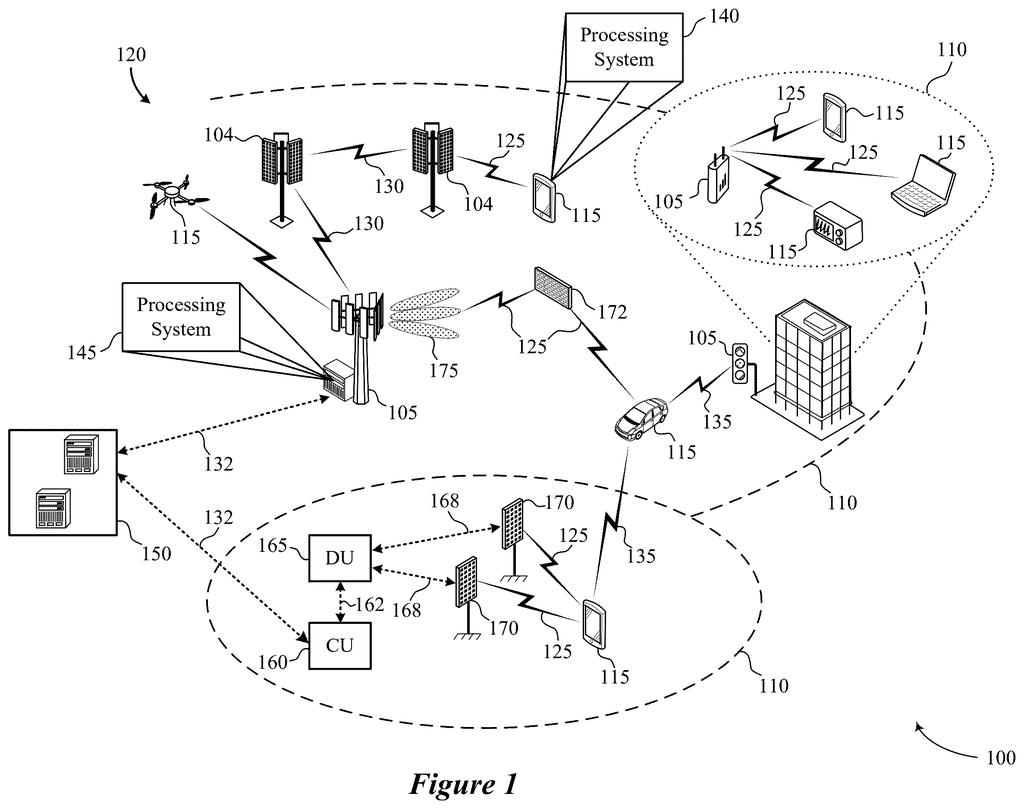
How Qualcomm's holographic call system decides what to stream
Every time you turn your head during a video call, the system has to decide what you actually need to see. In a regular call, that's simple. But in a holographic call where multiple people appear as 3D figures around you, the data demands get complicated fast, because the server might be sending you high-quality footage of someone standing behind your virtual shoulder.
Qualcomm's patent proposes a straightforward fix: your device sends the server a ranked list of how relevant each participant is to you at any given moment, based on where you're looking in the virtual space. The server then uses those rankings to decide which video frames to prioritize.
The result is that the people in your field of view get the clearest, most up-to-date footage, while participants you're not facing can receive less bandwidth. You're still in the call with everyone, but the system isn't wasting resources on footage you'd never notice.
transmit, as part of holographic communications between a set of users comprising a first user and one or more other users, a first message that indicates one or more first relevance values associated with the one or more other users …
Translation: Your device tells the network which other people in the virtual room you are actually looking at.
How relevance scores filter which video frames get sent
The patent describes a holographic communication system in which a user's wireless device transmits a message containing relevance values for each other participant in the call. Think of relevance values as a simple score, high for someone you're looking directly at, lower for someone off to your virtual side, and lower still for someone behind you.
Those scores are derived from the user's field of view within the virtual setting, meaning the system tracks where the user is oriented in the shared holographic space and uses that orientation to weight each participant's importance.
An application server (a cloud-based system managing the call) receives these relevance scores from each participant's device. It then selects and transmits video frames accordingly: higher-relevance participants get more or better frames forwarded to your device, while lower-relevance participants receive less.
- User's device tracks field of view inside the holographic space
- Device sends relevance scores for each other participant to the server
- Server selects which video frames to forward, weighted by those scores
- User receives prioritized footage matching what they're actually facing
The system is bidirectional: each user in the call is doing this simultaneously, so the server is managing a dynamic, constantly updated picture of what everyone needs to see at any moment.
… user-assisted selection of forwarded data in holographic communications. For example, a wireless device associated with a first user may transmit information that may allow an application server to transmit relevant video frames to the wireless device.
Translation: Instead of streaming everyone at once, the system only sends you footage of people within your current field of view.
What this means for future holographic video calls
Holographic calls, even experimental ones, require enormous amounts of video data. The more participants, the worse the scaling problem gets: without filtering, the server might send every user full-quality footage of every other participant regardless of whether those participants are even in the viewer's sightline. That's wasted bandwidth and processing power that would hurt call quality for everyone.
This patent addresses something real: the mismatch between what a user can see and what the network is sending them. If holographic communication ever moves from research labs into consumer products, efficient data selection like this would be a basic requirement for making calls work on everyday wireless networks. The approach here puts the user's own device in charge of signaling what matters, which is a practical way to make that filtering dynamic without needing the server to guess.
Qualcomm's 50th filing we've tracked in the AR glasses race since July builds on earlier work like one locking audio to GPS position and blending sharp and blurry VR zones at the chip level.
Group video calls already push home internet to its limit. A holographic version, where every participant appears as a life-size three-dimensional figure you can physically walk around, would multiply that strain by an enormous factor, and the problem compounds with every person who joins the call.
The core waste is attention-shaped. When six people share a holographic call, every headset receives the same rich stream from all six participants simultaneously, even though any individual is only focused on one or two of them at any moment.
Qualcomm's answer is to have each headset report to the server which participants the user is actually looking at, so detail gets concentrated where attention already is. That closes the gap between what networks can carry today and what holographic calls actually require, which means this technology becomes viable for ordinary households without waiting for some indefinite infrastructure overhaul.
There are more where this came from
We read every patent application Big Tech publishes and send you the ones worth knowing. Plain English, free, every week.
The drawings
12 drawing sheets from US 2026/0301341 A1 · click any drawing to enlarge


Want this weekly breakdown for a company we don't cover? Patentlyze Pro →
Be the first to weigh in