
Microsoft Patents a System That Hides a Crowd of AI Agents Behind One Chat Window
Most AI assistants hand your question to a single model and hope for the best. Microsoft is patenting a way to silently pass your request to whichever combination of AI agents is best suited for the job, then hand you back one unified answer.
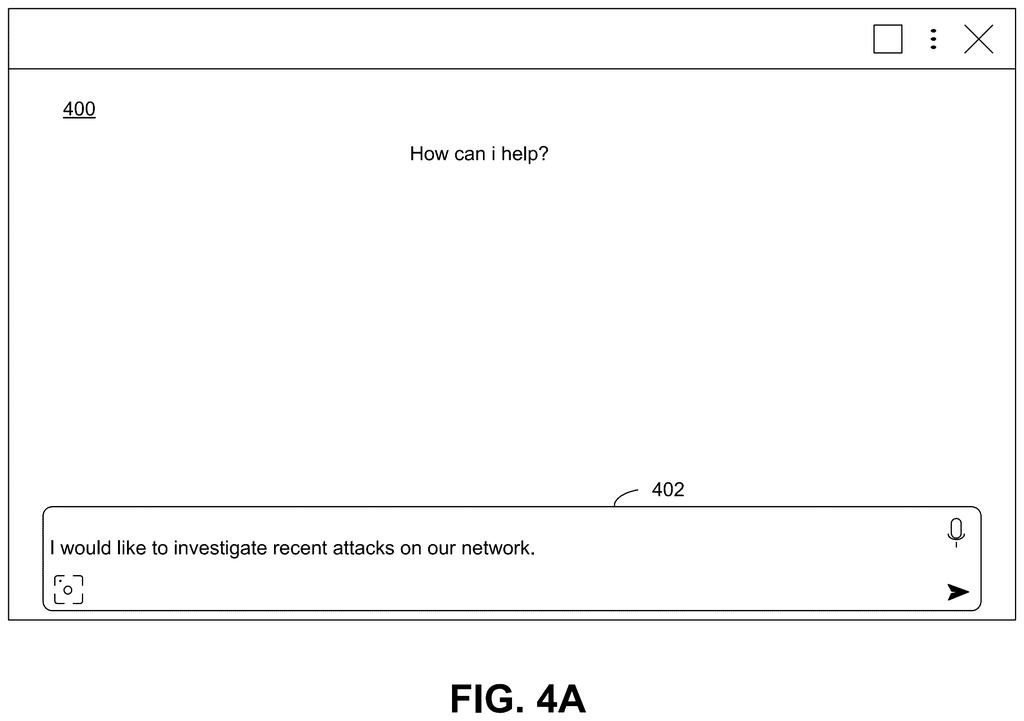
What Microsoft's multi-agent chat coordinator actually does
Every time you type a question into a chat box, something has to decide which AI should answer it. Right now, most chat tools pick one model and stick with it, even if a different tool would handle part of your question better.
Microsoft's patent describes a coordinator that sits between you and a collection of AI agents. You type your question once. The coordinator reads a kind of directory called an agent registry, figures out which two or more agents can best handle different parts of your request farms the work out, and then brings the results back to you, all through the same chat window. From your side, it looks like you talked to one assistant.
Think of it like calling one customer service number and, without being transferred, getting answers from billing, tech support, and a product specialist at the same time. The messiness is invisible to you.
… selecting two or more agents to perform the particular task based at least on respective agent definitions of the two or more selected agents in the agent registry …
Translation: The system picks multiple AI experts for a job by checking what skills each one has listed in a master directory.
How the agent registry routes tasks under the hood
The system centers on an agent registry, a structured directory that stores a profile for each available AI agent. Each profile, called an agent definition, describes what that agent can do, what inputs it accepts, and how it should be used. When a user submits a request, the coordinator queries this registry rather than picking an agent at random.
Once the right agents are selected, the coordinator manages the back-and-forth with each one according to its definition. That means it can call agents in sequence (one's output feeds the next), in parallel (several work simultaneously), or in whatever pattern the definitions specify. The user sees none of this.
- Agent registry: a central directory of all available AI agents and their capabilities
- Agent definitions: per-agent profiles that tell the coordinator how and when to use each agent
- Task coordination: the orchestration layer that routes sub-tasks and assembles results
- Single chat session: the user-facing interface that hides all of the above
The claim covers the full loop: receive user input, select agents from the registry, coordinate interactions per their definitions, collect results, and respond to the user. It's a software-only architecture, which means no new hardware is required to deploy it.
What this means for AI assistants and enterprise software
For everyday users, the appeal is that your AI assistant could become significantly more capable without you having to learn which tool to use for which question. Today you might need one app for code, another for document drafting, and yet another for data analysis. A coordinator like this could absorb that complexity.
For enterprises, the stakes are higher. Large organizations already run many specialized AI tools across departments. A standardized registry-and-coordinator model would let those tools talk to each other through a common interface rather than requiring custom integrations for every pair. Microsoft's existing ecosystem (Copilot, Azure AI, Teams) gives it a natural place to drop a system like this in.
Microsoft's 37th filing we've tracked since May in our AI teams watchlist follows one catching bugs in bug tools and one grading and fixing agents.
The idea here is a switchboard for AI tools: you type one message, a behind-the-scenes coordinator figures out which AI handles which part, and you get one clean answer back. Nothing in this document requires new hardware or exotic infrastructure. It is essentially a software organization problem.
The one thing that has to exist before anything else works is an accurate catalog describing what each AI tool can do. The coordinator is only as smart as that directory.
Keeping that catalog current is the honest, unanswered challenge. In a large organization the descriptions go stale, and a coordinator working from outdated information will route tasks badly in ways the user never sees or understands.
There are more where this came from
We read every patent application Big Tech publishes and send you the ones worth knowing. Plain English, free, every week.
The drawings
18 drawing sheets from US 2026/0300001 A1 · click any drawing to enlarge


Want this weekly breakdown for a company we don't cover? Patentlyze Pro →
Be the first to weigh in