
Samsung Files Patent for a Workout Plan That Changes While You Sweat
Samsung's patent describes a wearable that asks about your sleep, alcohol and meals, builds a workout around the answers, then rewrites the plan mid-session if you start to flag.
What Samsung's adjustable workout plan does
A man straps on his watch after a night of bad sleep and two glasses of wine, then starts the same workout he does every Tuesday. By the third set, he's gasping and giving up early.
Samsung's patent application tackles that mismatch. Instead of handing you a fixed plan, your watch (or ring, or glasses) would first check in on your day: what you ate, how you slept, whether you drank or took medication. It builds a routine to match.
Then it keeps watching. If you can't finish your reps, or your heart rate jumps, the plan changes on the spot: shorter next exercise, lighter load, or a longer rest. The company says this fixes one-size-fits-all programs that ignore how you actually feel.
… obtain information about an exercise performance ability of the user while the user is exercising using the exercise routine; and update the exercise routine based on the exercise performance ability.
Translation: It tracks how well you are doing during the workout and changes the routine on the fly.
How Samsung scores your condition before you lift
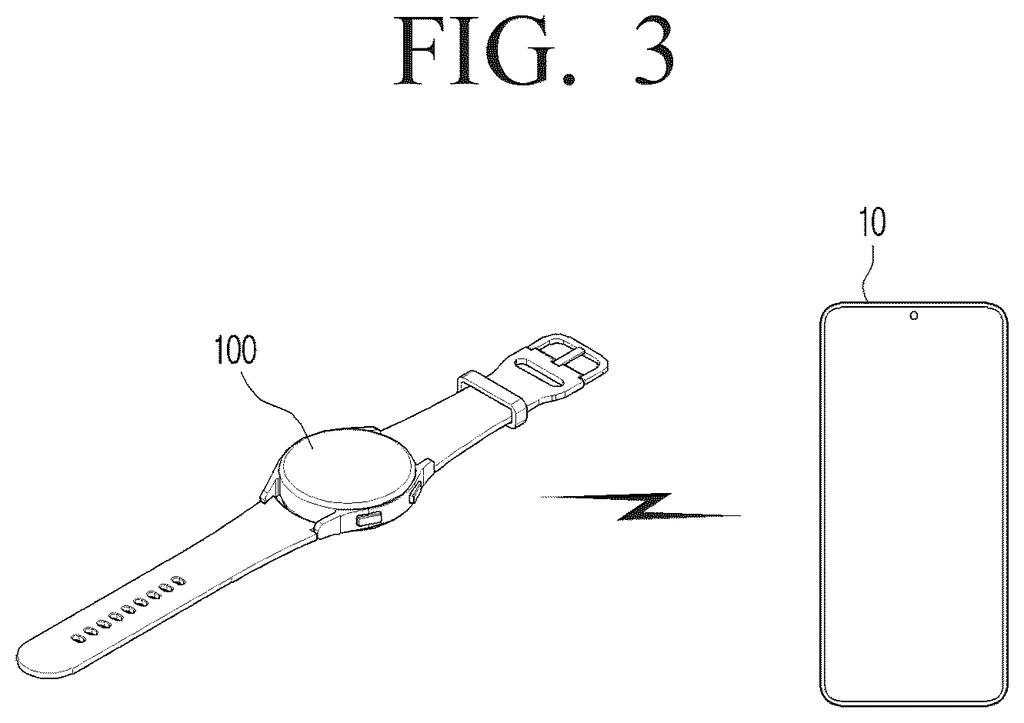
The filing covers a wearable (a smart watch, smart ring, smart glasses or similar) with a sensor, a display, and software that does four things: collect data about you, build an exercise routine from it, track how you perform during the workout, and update the routine based on that performance.
The data can come from the device's sensors, from stored profile details, or from a series of on-screen questions. The described questions cover meals, sleep, alcohol, medication, how you feel, body fat changes, the body area you want to train, and whether you liked your last routine.
One described method is a simple rule chain. If you drank recently, took a drug that interferes with exercise, ate too little, slept too little, or have a low vitality score (a score built from sleep, daily activity and weekly exercise), you get a low-intensity routine. Otherwise, the intensity depends on whether your body fat has risen: moderate if not, high if so.
A second method scores your condition out of 100, weighting factors such as activity (30%), sleep (20%) and meals (10%). If the score falls under a preset value, your goal gets adjusted. The filing also mentions using a generative AI model instead of fixed rules.
During the workout, missed reps or a fast-rising heart rate can trigger a lighter next exercise or a longer rest, with the changes shown during the rest period.
Why a wearable that rewrites your workout matters
The practical pitch is a workout that doesn't punish you for having a bad day. Anyone who has pushed through a heavy session on four hours of sleep, or skipped the gym because the plan felt impossible, can see the appeal of a plan that bends to fit.
For Samsung, this fits naturally with its health-tracking apps for sleep, food, water and medication, which the filing says would feed the routine builder. It is a patent application, not a product, and the filing does not name one. But it shows how a wearable's data could turn from a pile of charts into direct instructions about what to do next.
Samsung has filed its 21st application we've tracked in our wearables that read your body watchlist since June, building on earlier work like earbuds that sense movement and a patch tracking post-medication signs.
The benefit here is easy to picture: your watch stops treating every Tuesday like the same Tuesday. If you slept badly or drank the night before, a plan that goes easier is the difference between finishing a workout and bailing halfway.
You would notice it most during rest periods, when the next set suddenly asks for less weight or fewer reps because you struggled with the last one. That is a real, usable change, and it beats a static plan on a screen.
The catch is the homework. The condition score leans on your own answers about meals, drinking and medication, and the filing admits you can skip those questions. Skip them and the plan has less to go on. The idea is sound and the claims are broad, but the payoff depends on how willing you are to keep logging your life.
Get our take in your Top Stories
Liked this breakdown? Add Patentlyze as a preferred source on Google, and our plain-English take shows up more often in your Top Stories the next time Samsung patent news breaks.
There are more where this came from
We read every patent application Big Tech publishes and send you the ones worth knowing. Plain English, free, every week.
The drawings
22 drawing sheets from US 2026/0306909 A1 · click any drawing to enlarge


Want this weekly breakdown for a company we don't cover? Patentlyze Pro →
Be the first to weigh in