
Google Patents a Wearable That Flags Fall Risk After a Bad Night's Sleep
The moments after a bad night's sleep are when falls are most likely, and Google thinks a smartwatch should already know that before you take a single step. This patent describes a system that reads your sleep data and your morning walking pace together to decide how closely to watch you.
What Google's sleep-and-shuffle fall alert actually does
Imagine waking up after a rough, broken night of sleep, shuffling to the bathroom at half your normal speed. A fall in that moment is genuinely more likely, but most wearables treat every minute of the day as equally risky.
Google's patent describes a system that connects two things your watch already measures: how well you slept, and how fast you're walking right after you wake up. If your sleep was poor and your morning gait is slower or wobblier than usual, the device raises its alert level and can notify you that you're at higher risk of a fall.
The idea is that the device isn't waiting for you to actually stumble; it's reading early warning signs. A slow, unsteady post-sleep shuffle is a signal that your balance and reaction time may not be fully online yet, and the system responds by lowering the bar for when it will step in.
obtaining, by one or more processors, sleep data from one or more sensors of a wearable computing device, the sleep data associated with a sleep event of a user wearing the wearable computing device …
Translation: The watch tracks how well you slept.
How the watch scores your gait to set the fall threshold
The patent describes a two-input system running on a wearable device (think a smartwatch or fitness band). After a sleep event ends, the device pulls two data streams:
- Sleep data: details about the sleep session, such as duration, how often you woke up, and sleep quality metrics the sensors can infer.
- Motion data: specifically, the pace at which you walk immediately after waking, which acts as a real-time proxy for your current balance and alertness.
The system uses those two inputs to adjust a fall detection threshold (the sensitivity level at which the device decides a movement looks like a fall). A higher-risk profile, built from poor sleep plus a sluggish morning gait, pushes that threshold down so the device is quicker to flag potential trouble.
Once the threshold signals elevated risk, the device sends a notification to the user. The patent's broader description also covers notifying caregivers or connected services, though the core claim is centered on the user-facing alert. The system is framed as proactive: it responds to conditions that predict a fall, not just to the fall itself.
… adjusting a fall detection threshold of a wearable computing device worn by the user based, at least in part, on the data indicative of the user engaging in the fall risk activity …
Translation: The device changes its sensitivity to falls based on your activities.
What this means for older adults and fall prevention
Falls are one of the leading causes of serious injury in older adults, and the window right after waking from poor sleep is a well-documented danger zone. A wearable that passively picks up on those conditions and raises its own internal alert level could catch people before they reach the bathroom floor, not after.
For everyday users, this would show up as a quiet notification on your watch saying you may want to be extra careful this morning, or as a behind-the-scenes adjustment that makes the device more likely to call for help if you do take a tumble. the pattern in Google's wearable health filings suggests the company is building a more continuous, context-aware health monitoring picture across its devices, with fall detection as a central piece.
Google's 15th filing we've tracked since May in our wearables that read your body watchlist follows earlier applications like the radar blood pressure one and the pulse-based heart risk one.
For an older adult living alone, the scariest moment isn't the fall itself but the seconds before it, when nothing has gone wrong yet and no one is paying attention. What this patent describes is a watch that reads early warning signs, poor sleep, an unsteady morning walk, and raises its own alertness before anything happens.
The concrete change is a notification that arrives before a fall rather than a response that arrives after one. A caregiver checking in remotely, or the person themselves, gets a heads-up while there's still time to slow down, sit down, or ask for help.
Whether this works as well in practice as it does on paper depends on whether a wrist sensor can measure steadiness and sleep quality precisely enough to matter. But for the people who need it most, even a modest improvement in timing is not a small thing.
There are more where this came from
We read every patent application Big Tech publishes and send you the ones worth knowing. Plain English, free, every week.
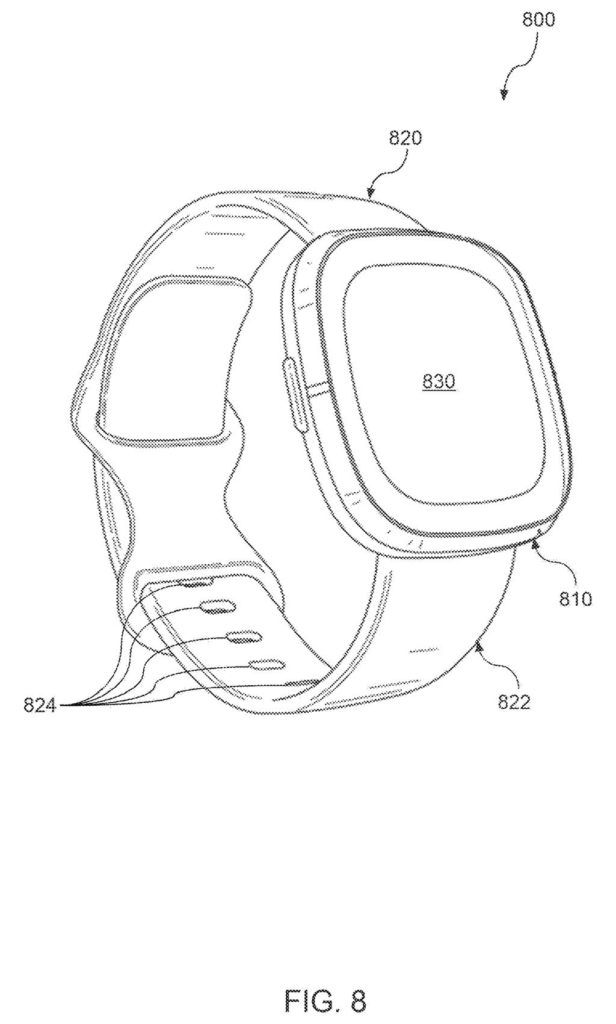
The drawings
10 drawing sheets from US 2026/0294278 A1 · click any drawing to enlarge


Want this weekly breakdown for a company we don't cover? Patentlyze Pro →
Be the first to weigh in