
Google Files Patent to Stop Fitness Trackers Misreading How You Sleep
Your watch may be grading your sleep with a yardstick built for somebody else. Google's patent application has the device work out what kind of sleeper you are first, then judge your nights with a tool made for that type.
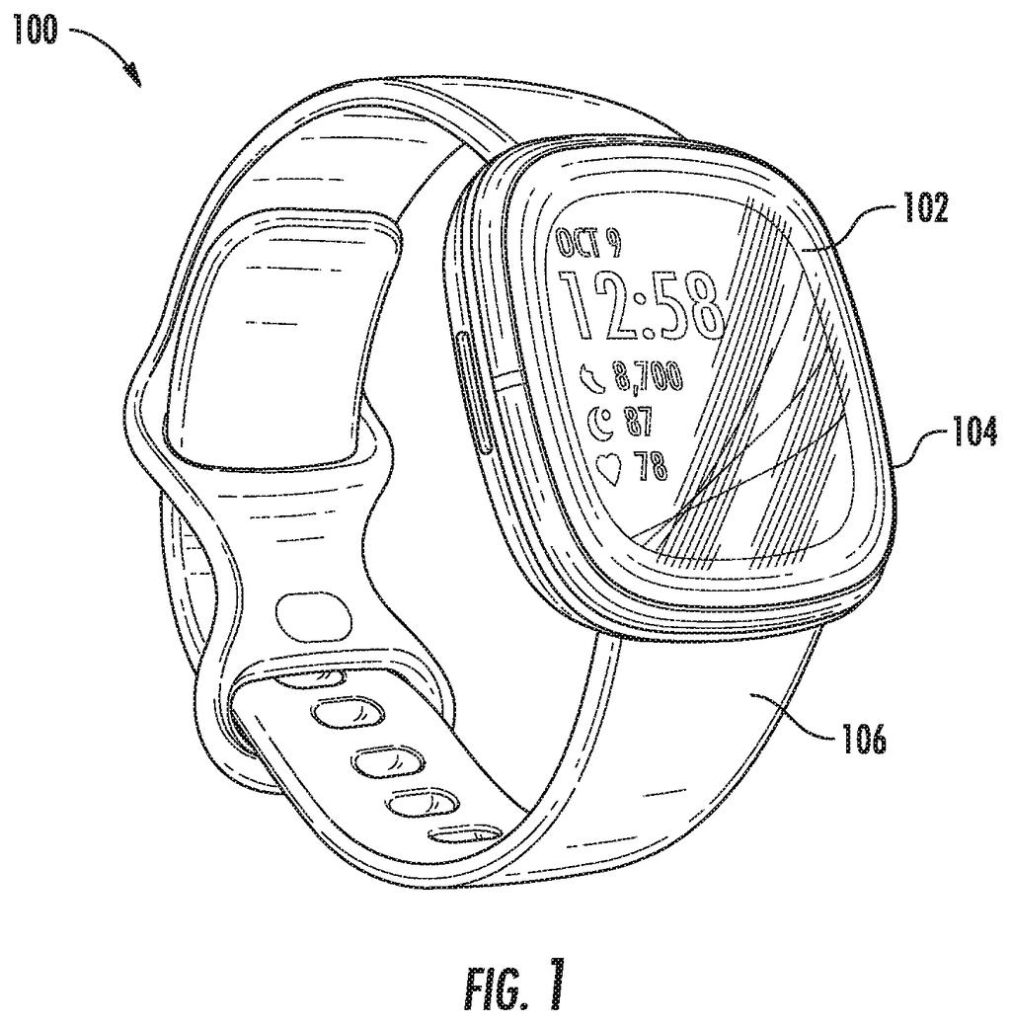
What Google's sleeper-type sorting does
Ever checked your watch in the morning and been told you barely slept, when you know you were out cold? Trackers guess at sleep from small body signals, and the guess goes wrong when your body doesn't behave like the average sleeper's. The filing's own example is a "twitchy" sleeper who moves around a lot at night, which can fool a tracker into thinking they're awake.
Google's patent application tries to fix that by sorting you into a sleeper type before it grades anything. The wearable studies some earlier nights, such as how much you move or how much your heartbeat varies, and decides which type fits you.
From then on, it scores your sleep with an analysis tool built for people like you. There is one tool per type, each trained on data from that kind of sleeper. The filing says a tool built for someone else might miss your sleep entirely across a whole night.
… selecting, by the computing device, a respective machine-learned sleep analysis model from a plurality of machine-learned sleep analysis models based on the sleeper type determined for the user …
Translation: The system picks a specific AI model designed for that sleep style.
How the wearable picks a model for your nights
The patent describes a two-step process. First, a wearable (a watch, band or ring) collects body data over an earlier stretch, which can include one or more sleep sessions. It boils that data down to a variability value, a number showing how much a signal such as your heartbeat shifts from one moment to the next. That number places you into one of several sleeper types.
Second, the device picks a machine-learned model (software that learned patterns from many examples) that was trained on data from people of that same type. It uses that model on a later period to work out your sleep characteristics.
The claims list sensors and signals the first step can draw on:
- Heart rate, heart rate variability, breathing, blood oxygen and skin temperature
- A light-based wrist sensor that reads your pulse (called PPG), or an infrared sensor that watches movement and breathing from a distance
- Example types such as high-variability, low-variability, "restless heart" and "autonomic arousal" sleepers
The description centers on motion. It splits the night into 30-second windows, marks each as movement or stillness, and calls you a high-movement sleeper if you move often. Cleanup rules that flip "asleep" to "awake" after a burst of motion can have their thresholds raised or switched off for you. The output can include asleep or awake, REM, light and deep sleep, a sleep score, and coaching tips.
The present disclosure is directed towards systems and methods for improving analysis of sleep data by classifying users based on sleeper type.
Translation: Google wants to make sleep tracking more accurate by grouping users into different sleep categories.
Why your sleep score may stop being wrong
If you wear a tracker to bed, the number you see each morning is only as good as the guess behind it. Sorting people into types before scoring them could mean fewer nights where a restless sleeper is marked awake, and sleep stages that better match how rested you feel. Those scores also feed other numbers, such as a stress score or a fitness readiness score, so one bad read can spread.
The filing says the approach adds little cost to a device, since it changes the software and not the sensors. It names smartwatches, fitness bands and smart rings as targets, which fits the wearables Google sells today. The patent offers no accuracy figures, so how much better the scores would get is unknown.
This is the 24th Google patent we've tracked since May in our wearables reading your body watchlist, following applications like loose band detection and wrong fit detection.
If you have ever woken up to a sleep report that contradicted how you felt, this idea speaks to you directly. A tracker that learns what a normal night looks like for you is a sensible fix for a common complaint about these devices.
You would notice it where it counts: fewer nights marked as mostly awake after you tossed around, and a better chance that the deep and REM numbers match how rested you feel. The filing's own example says a mismatched model might miss sleep altogether for a restless person, which is a total failure for that person.
You would never see the sorting happen, and the filing gives no accuracy numbers, so the benefit depends on how well the types are drawn. Even so, a tracker that stops treating every sleeper the same is an easy thing to want.
Get our take in your Top Stories
Liked this breakdown? Add Patentlyze as a preferred source on Google, and our plain-English take shows up more often in your Top Stories the next time Google patent news breaks.
There are more where this came from
We read every patent application Big Tech publishes and send you the ones worth knowing. Plain English, free, every week.
The drawings
8 drawing sheets from US 2026/0334862 A1 · click any drawing to enlarge


Want this weekly breakdown for a company we don't cover? Patentlyze Pro →
Be the first to weigh in