
IBM Files Patent for Pain Treatment Matched to Sleep, Mood and Activity Patterns
Ask a doctor about chronic pain and you usually get one number from one to ten. IBM's patent application describes a system that looks at your sleep, mood, movement and medication instead, then suggests a treatment to match.
What IBM's pain-state sorting actually does
Every time a doctor asks you to rate your pain from one to ten, a whole day of living gets squeezed into a single number. It leaves out how badly you slept, how foggy your head feels, and whether you skipped your usual walk.
IBM's patent application describes a way to look at all of that together. It gathers answers from questionnaires, clinician notes and wearables like smartwatches, then lets software sort patients into groups who look alike. Each group is checked against an independent measure, such as a quality-of-life survey, and labeled from best to worst pain state.
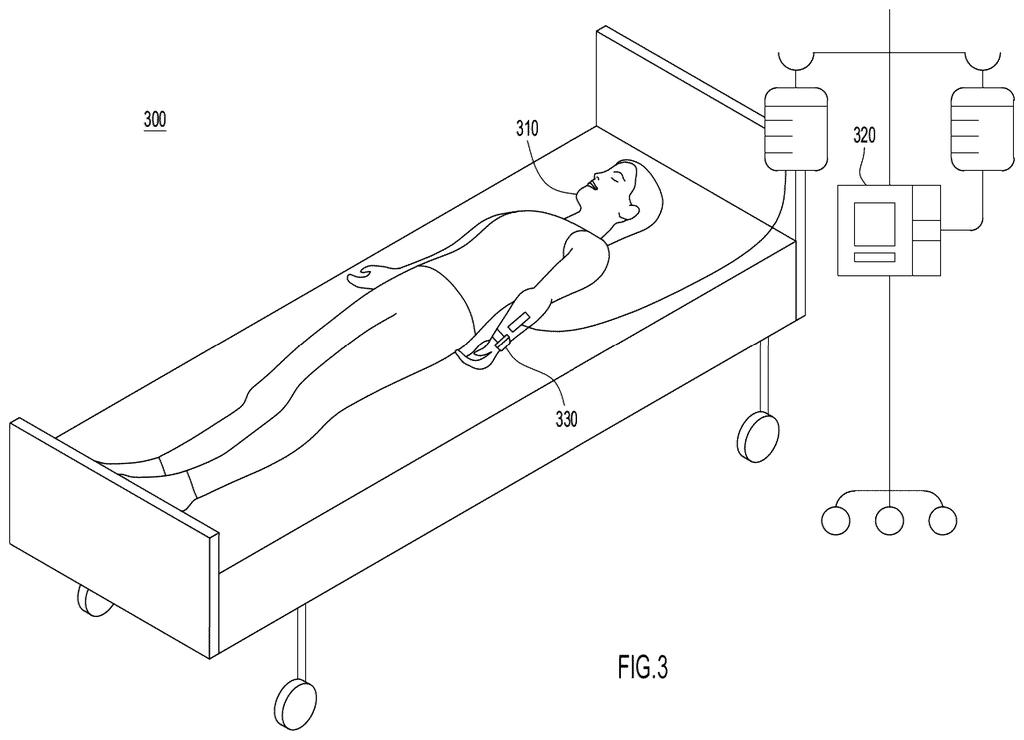
A new patient is matched to the closest group, and the system suggests a treatment that fits that group. In one version, it could even tell a drug pump when to deliver a dose.
obtaining pain metrics for a plurality of patients, wherein the pain metrics comprise values for a plurality of dimensions that are each indicative of health outcomes …
Translation: The system collects various health measurements from many patients to evaluate their overall well-being.
How IBM groups patients and checks the groups
The claims cover a three-part method. First, collect "pain metrics" for many patients across several dimensions: mood, activity, medication use, sleep, alertness, analgesia (the patient's own sense of how much pain they feel), and readings from a wearable sensor such as heart rate or step count. The scores are put on a common scale so they can be compared.
Second, the scores go into a clustering model (software that finds groups of similar patients without being told in advance what to look for). The filing's example uses five clusters. The system finds the center of each cluster, called a centroid, measures how far it sits from a "no pain" reference point, and ranks the clusters.
Third, those rankings are checked against independent health measures, such as quality-of-life scores from a clinician or from language software that reads patients' written answers. Verified clusters become labeled pain states, from best to worst.
A new patient's data is then matched to the closest cluster, and a treatment is indicated for that state. The claims mention a drug schedule or dosage amount, and a drug delivery device that gives it automatically. The description also covers tracking a patient over time, so help can come when they slip from a good state to a middling one.
Why a 1-to-10 pain score may not be enough
If you live with chronic pain, the practical question is whether your care reflects how you are really doing. A one-to-ten score from a short appointment can miss poor sleep, low mood or a drop in daily activity, all of which the filing says are tied to pain. A system that watches those signals could give your clinician a fuller picture and might flag a decline before it becomes severe.
For IBM, this is a healthcare data play: take messy patient information from phones, watches and notes, and turn it into a label a clinician can act on. The filing is a method, with no mention of a finished product or clinical results, so it shows an approach rather than a tool you could use today.
IBM's second filing we've tracked in our wearables and body signals watchlist since August follows their earlier brain signals linked to search application.
Chronic pain is a problem most people have felt firsthand or watched in someone close to them, and the way it gets measured is thin. One number from one to ten, given in a short visit, can steer decisions about strong drugs. The filing aims at that gap, and the aim is sound.
Pulling in sleep, mood and daily movement from a watch fits the size of the problem, because those are the things that change how pain feels from one day to the next. The most useful detail is acting when a patient slips from a good state to a middling one, before it turns bad.
The reach is where it gets ambitious. Handing dose changes to a pump asks a lot of software that groups patients by similarity, and the filing offers no results showing better outcomes. As a way to give clinicians a fuller picture, it fits the problem. As an autopilot for medication, it would need far more proof.
Get our take in your Top Stories
Liked this breakdown? Add Patentlyze as a preferred source on Google, and our plain-English take shows up more often in your Top Stories the next time IBM patent news breaks.
There are more where this came from
We read every patent application Big Tech publishes and send you the ones worth knowing. Plain English, free, every week.
The drawings
14 drawing sheets from US 2026/0351374 A1 · click any drawing to enlarge


Show the other 6 sheets


Want this weekly breakdown for a company we don't cover? Patentlyze Pro →
Be the first to weigh in