
Apple Files Patent for Cutting Wireless Lag in VR by Flagging Data to Skip
When a VR headset's data stream drops a piece, the receiving device can sit there waiting for something that is never coming. Apple's patent describes a short note that tells it to stop waiting.
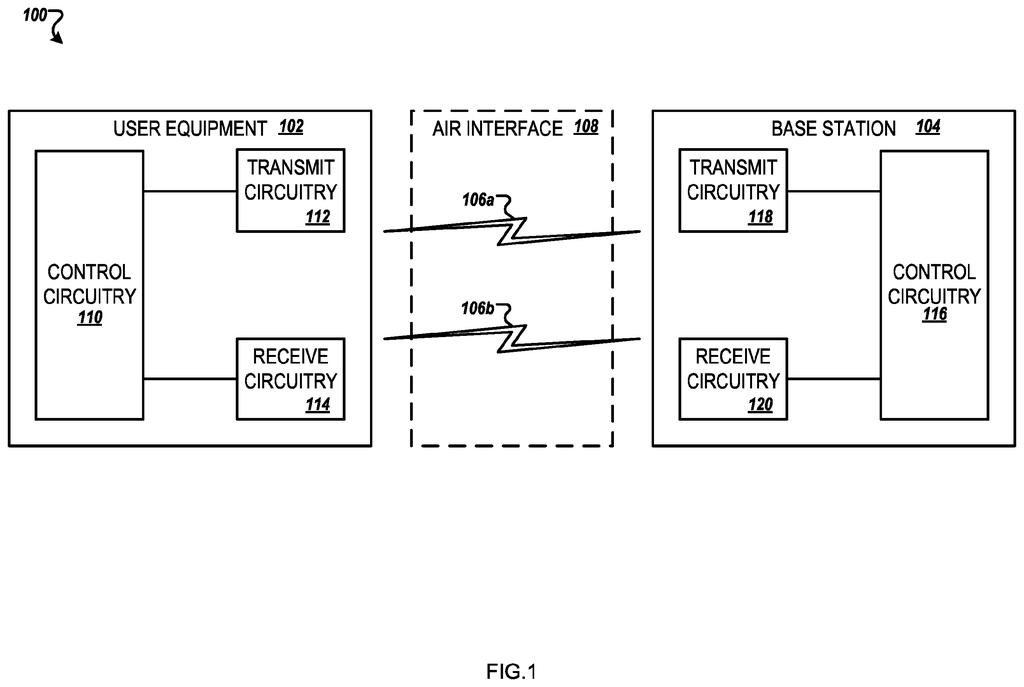
What Apple's dropped-data status report does
Imagine you're wearing a headset and watching a live 3D scene stream in. Every slice of data arrives with a number, and your device puts the slices back in order before showing you anything. If slice 555 never shows up, your device holds everything behind it and waits, and you feel that wait as lag.
In this kind of streaming, throwing out stale data is routine, because a late frame is useless by the time it arrives. The trouble is that the receiving device often doesn't know the sender has given up on a piece. Apple's patent describes a short status report that lists which pieces were dropped, so your device can stop waiting and move on.
The goal is less delay, plus less memory and processing work on the receiving end.
generating, in response to detection of a trigger condition, a packet data convergence protocol (PDCP) status report comprising a discard marker based at least on (i) a number of discarded PDCP data units associated with the PDCP status report and (ii) a count value associated with each of the discarded PDCP data units; …
Translation: When a specific event happens, the system creates a status report listing which data packets were thrown away.
How the report lists which data to skip
The patent works at a layer of 5G called PDCP (packet data convergence protocol), which numbers chunks of data and puts them back in order when they arrive. Each chunk carries a count value, basically its place in line. When one is discarded, a gap opens in the numbering, and the receiver holds everything behind the gap while it waits, which adds delay.
The independent claims cover generating a status report when a trigger condition is detected. The report carries a discard marker built from two things: how many data units were discarded, and the count value of each one. The report is then handed to the lower layers of the radio stack for transmission. One trigger described in the claims is when a later data unit is already stored while the discarded ones have not yet gone down to those lower layers.
Dependent claims add several details:
- A first discarded count (FDC) field, 32 bits long, holding the smallest count among the discarded units.
- A discard bitmap (a row of bits, one per data unit, with a 1 marking each discarded unit) included when more than one unit is dropped. It can vary in length and can even be empty.
- Sending the report as a control message through the device's radio circuitry.
The description also describes other ways to signal the same thing, such as flipping a spare bit in a data header or sending a first and last number for a run like 555 to 750. It says the report can travel in either direction, between a phone and a base station.
… generating, by the PDCP transmitter, a discard marker in a PDCP PDU header that signals to a PDCP receiver that the determined plurality of PDCP PDUs are to be discarded, and transmitting, by the PDCP transmitter, the generated PDCP PDU to a PDCP receiver.
Translation: The sender adds a special note to a data header telling the receiver to skip the dropped packets.
Why shaving wireless lag matters for XR headsets
For you, the payoff would be a headset or phone that spends less time waiting on data it no longer needs. The filing says XR (augmented and virtual reality) requires low delay, so trimming even small waits could help video and 3D scenes keep in step with your movements more of the time.
For Apple, this is groundwork for how devices and networks talk to each other. The filing mentions phones, smartwatches, base stations and even future 6G, so the same trick could apply across many devices. It also reduces memory and processing work on the receiving side, which matters most on battery-powered gear, where every bit of extra effort drains power.
Apple's 61st filing we've tracked since May in the AR glasses race builds on earlier work on denser dot layouts for depth and overlapping patterns to boost brightness.
Lag is the enemy of anything that puts a virtual world in front of your eyes. Even small delays can make a headset feel off, and waiting on data the sender already gave up on is pure waste. The problem is small and constant, which is what makes it worth solving.
The fix matches that size. A short note listing the dropped pieces costs almost nothing to send, and it spares the receiving device from sitting idle. It needs no new hardware and no redesign of how 5G works.
You would never see this feature, and it only pays off if both ends of a connection support it. The filing refers to standards-group discussions, so it reads as routine groundwork for wireless standards: modest in ambition and sensible for the problem it targets.
Get our take in your Top Stories
Liked this breakdown? Add Patentlyze as a preferred source on Google, and our plain-English take shows up more often in your Top Stories the next time Apple patent news breaks.
There are more where this came from
We read every patent application Big Tech publishes and send you the ones worth knowing. Plain English, free, every week.
The drawings
12 drawing sheets from US 2026/0352605 A1 · click any drawing to enlarge


Show the other 4 sheets


Want this weekly breakdown for a company we don't cover? Patentlyze Pro →
Be the first to weigh in