
Apple Patents Eye-Tracking Glasses That Hide the Cameras in the Arms
Apple has figured out a way to track your eyes from the arms of a pair of glasses — no bulky front-frame hardware required. The trick is a near-invisible infrared coating on the lens itself.
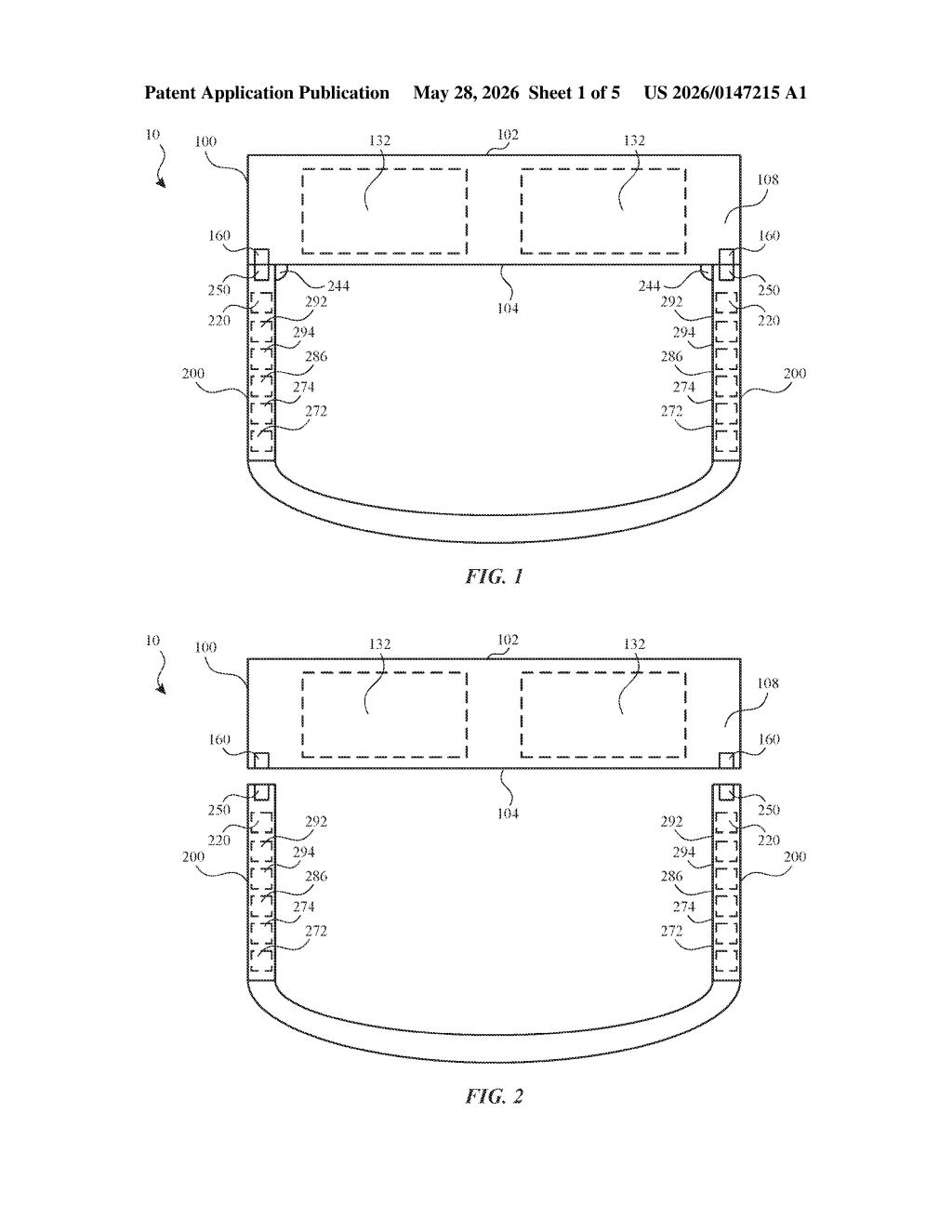
What Apple's arm-mounted eye tracking actually does
Imagine a pair of glasses that can tell exactly where you're looking — but look totally normal from the outside. That's the goal of this Apple patent.
Right now, devices like the Apple Vision Pro pack eye-tracking sensors directly into the front of the headset, which is one reason they're so bulky. This patent describes a different approach: the lenses get a special infrared-reflective coating on their inner surface that bounces IR light from your eye toward the arms of the glasses, where small cameras are hidden. The front frame stays clean and uncluttered.
Once the glasses know where you're looking, they can take action — adjusting settings, capturing a photo, or responding to environmental conditions around you. It's a foundation for lightweight, everyday smart glasses that don't scream "I'm a computer on your face."
How the IR reflector and arm cameras work together
The patent describes a head-mountable device (think smart glasses, not a full VR headset) with a two-part optical trick at its core.
First, the lens has an inner infrared reflector — a coating on the inside surface that's transparent to regular visible light (so you see normally through it) but acts like a mirror for infrared (IR) light. Your eye constantly emits a small amount of IR radiation. That light hits the lens coating and bounces sideways.
Second, instead of mounting cameras on the front bridge of the glasses, Apple routes everything to cameras embedded in one or more arms of the frame. Those cameras capture two things simultaneously: the visible-light view of the world in front of you, and the IR light reflected off the lens from your eye — giving the system both an outward-facing scene and inward eye-position data from the same sensor.
From that combined image data, the device can:
- Determine gaze direction and eye conditions
- Detect environmental conditions in the external scene
- Trigger actions based on what you're looking at or how your eyes are behaving
The key engineering win is that the front frame itself needs no active electronics — all the compute-heavy components live in the arms.
What this means for Apple's smart glasses ambitions
Moving eye-tracking hardware out of the front frame is a meaningful step toward glasses that people might actually wear all day. The front of a glasses frame is the most style-sensitive real estate on your face — the moment you add cameras and sensors there, the design fights an uphill battle. Tucking everything into the arms sidesteps that problem entirely.
This also fits neatly into the broader industry push toward lightweight AR and smart glasses. Apple's Vision Pro is powerful but heavy; a future device that tracks your gaze from an arm-mounted camera — while still feeding you contextual information — could be far more wearable. The patent's mention of "detected environmental conditions" alongside eye tracking hints at a device that responds to both what you're looking at in the world and the state of your eyes, which opens the door to hands-free, gaze-driven interfaces in everyday eyewear.
This is a genuinely clever optical design — using the lens itself as a passive IR mirror to redirect eye data toward cameras that are already in a socially acceptable location (the arms) is elegant. It's the kind of foundational building block that has to exist before lightweight Apple smart glasses can ship. Whether Apple ever ships such a product is an open question, but this patent is doing real engineering work, not just staking territory.
There are more where this came from
We read every patent application Big Tech publishes and send you the ones worth knowing. Plain English, free, every week.
Want this weekly breakdown for a company we don't cover? Patentlyze Pro →