
Apple Patents a Dynamic Color System That Adapts What You See to Where You Are
Apple is patenting a display pipeline that doesn't just show you what a video looks like — it tries to show you what that video was *meant* to look like, even when you're watching in conditions the creator never intended.
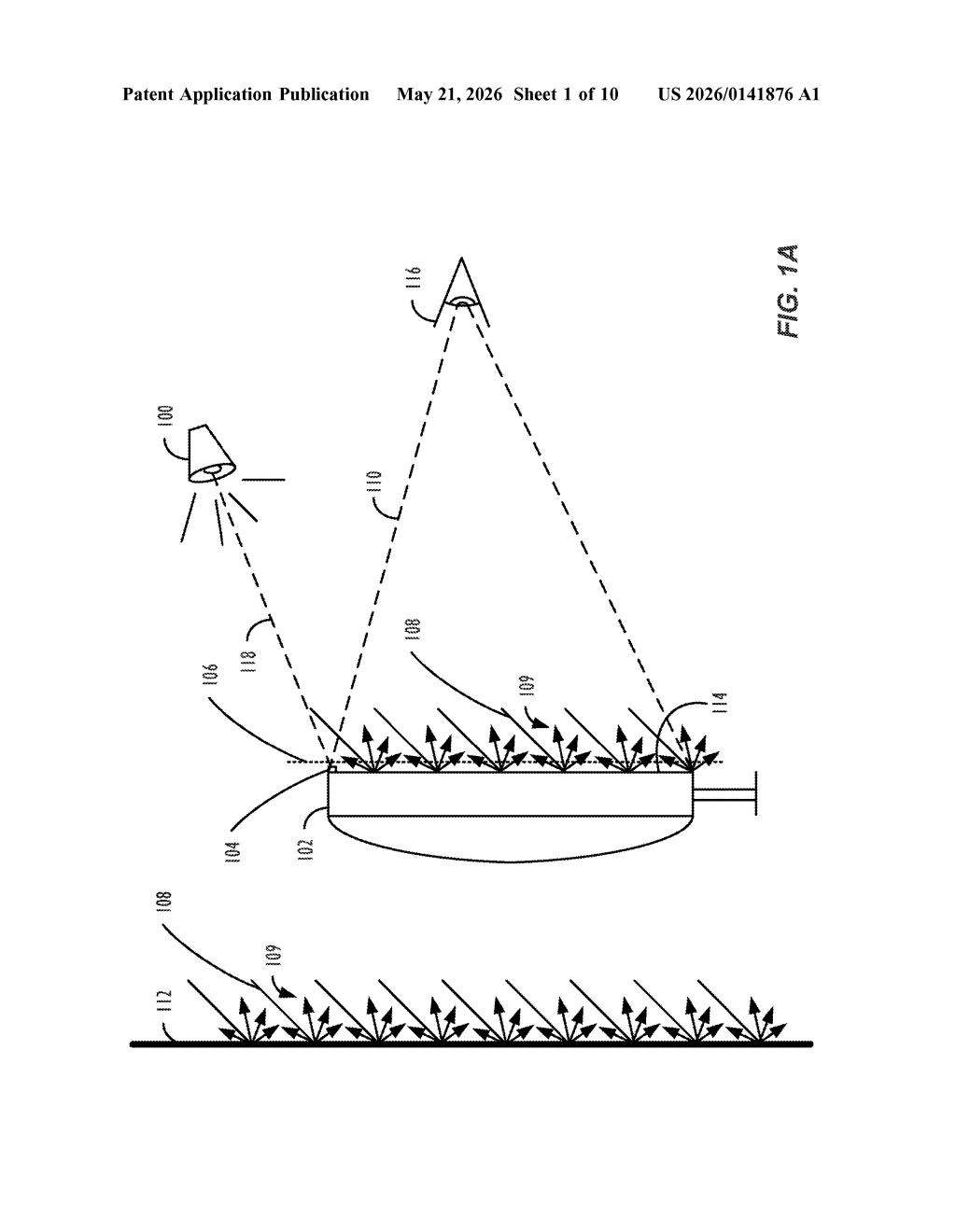
What Apple's perceptual reference display system actually does
Imagine a filmmaker color-grades a movie in a dark professional screening room, then you watch it on your iPad at noon in a bright park. The colors, contrast, and shadow detail are going to look completely different from what the director intended — but most devices just play the file as-is and call it a day.
Apple's approach here is to build a dynamic system that constantly adjusts the image based on your actual viewing conditions — the ambient light around you, your display's current brightness, and even how your eyes have adapted to the environment. The goal is to recreate the perceptual experience of watching the content in its intended setting, not just to play the raw pixel values.
This goes well beyond simple True Tone-style brightness adjustments. The system works at the color pipeline level, adapting the content through multiple translation steps — from the source color format, through a shared internal color space, and finally out to what your specific screen can actually render.
How Apple's OOTF pipeline maps and modifies color data
The patent describes a multi-stage optical-to-optical transfer function (OOTF) — essentially a chain of mathematical transformations that convert encoded video or image data into what actually lights up your screen pixels, with perceptual accuracy as the goal at every step.
The pipeline works roughly like this:
- Re-linearize: The encoded content (which uses a non-linear gamma or HDR transfer curve like PQ or HLG) is converted back to linear light values using an inverse transfer function.
- Gamut mapping: The linear data is mapped from the content's native color space (say, DCI-P3 or Rec. 2020) into a shared common compositing space — a neutral internal working environment where multiple content sources can be combined consistently.
- Viewing condition adaptation: The system calculates the difference between where the content was meant to be watched (e.g., a calibrated reference monitor in a darkened room) and where it's actually being watched. It also estimates the viewer's current adaptation level — roughly, how bright an environment your eyes have adjusted to — and modifies the image to compensate.
- Re-encode for the display: The adapted data is re-encoded using the transfer function of the target display device, ready to drive actual pixels.
The adaptation step is the novel part. It's not just matching exposure — it's modeling human visual perception (how we see contrast differently in bright vs. dark environments) and trying to preserve the intended emotional and artistic impact of the content across wildly different viewing scenarios.
What this means for video quality across Apple devices
For consumers, this matters most in Apple's highest-end display contexts — ProMotion displays, Apple TV 4K, and the Vision Pro, where color accuracy is already a selling point. If this system ships, it means HDR content viewed in a bright living room could adapt in real time rather than looking washed out or over-contrasted. That's a persistent pain point with HDR today.
For creators and the broader industry, Apple pushing a standardized perceptual reference model into its display pipeline could have downstream effects on how content is mastered and delivered. If devices reliably reconstruct intent rather than just playing raw values, the pressure on creators to target every possible playback condition becomes a little less severe.
This is genuinely interesting display science, not just a tweak to brightness curves. The framing around 'viewer adaptation level' — modeling how your eyes have physically adjusted to your environment, not just reading an ambient light sensor — is a more sophisticated approach to HDR tone-mapping than what most devices do today. Whether it ships in a recognizable form is another question, but the underlying problem it's solving is real and annoying.
There are more where this came from
We read every patent application Big Tech publishes and send you the ones worth knowing. Plain English, free, every week.
Want this weekly breakdown for a company we don't cover? Patentlyze Pro →