
Samsung Patents a Display Trick That Fakes Brightness to Save Battery
Samsung's latest patent describes a way to make a display appear brighter to your eyes without actually cranking up the backlight — by exploiting the way human vision works. The result is a screen that looks vivid while drawing less power.
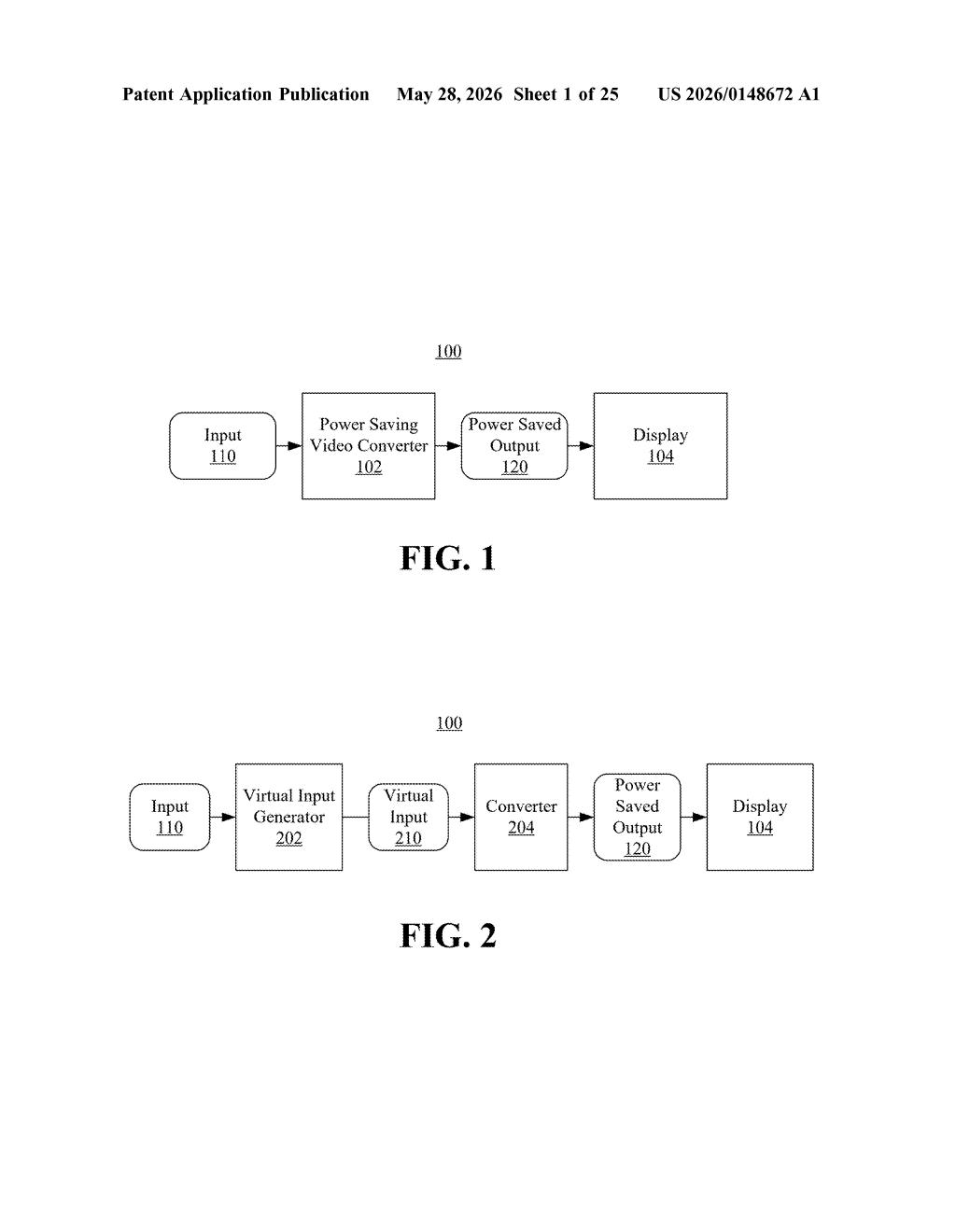
How Samsung makes your screen look brighter by using less power
Imagine your phone's screen looks just as punchy and bright as usual, but the battery lasts noticeably longer. That's the promise behind this Samsung patent.
The trick is that your eyes don't measure brightness like a light meter does. They're easily fooled by contrast between dark and light areas. Samsung's approach sorts every pixel in an image into buckets — shadows, midtones, and highlights — and then subtly adjusts the brightness of each bucket in ways that exploit those visual quirks. The screen isn't actually brighter overall, but you perceive it as brighter.
Because the display can dial back real light output while still looking vivid to you, it burns less power. On OLED panels (which Samsung uses in its Galaxy phones), dimmer pixels literally draw less electricity, so the savings are direct and meaningful.
How shadow, midtone, and highlight ranges get remapped
The patent describes a luminance mapping pipeline that operates on images before they're sent to the display hardware. Here's the core flow:
- Pixel classification: Each pixel is analyzed and sorted into one of three tonal ranges — shadow (dark areas), midtone (mid-brightness areas), or highlight (bright areas).
- Per-range luminance adjustment: The system applies different brightness transformations to each range. The adjustments are designed around known visual illusions — perceptual effects where the human visual system judges brightness relative to surrounding context rather than absolute light levels.
- Dual optimization: The key claim is that the same adjustments simultaneously improve perceived brightness and reduce actual power draw — not a tradeoff, but both at once.
On OLED displays, each pixel generates its own light, so reducing luminance values in certain regions (say, slightly compressing highlights that the eye doesn't fully register) translates directly into lower current draw for those pixels. The net effect is a modified image that tests brighter in user perception studies but costs less energy to render.
The patent doesn't name a specific visual illusion, but techniques like the simultaneous contrast effect (where a gray patch looks lighter surrounded by darkness) are well-established candidates.
What this means for OLED phones and battery life
Battery life is the perennial complaint about flagship phones, and display brightness is one of the biggest power draws on a modern handset. If Samsung can squeeze out even a 10-15% reduction in display power without users noticing a drop in quality, that's a meaningful win at scale — across hundreds of millions of Galaxy devices.
This also has implications beyond phones. Samsung makes OLED panels for TVs, tablets, and monitors. A software-layer luminance mapping system like this could be applied at the driver level across the entire product lineup with minimal hardware changes. For you as a user, the best-case version of this is a setting that's just always on — saving battery quietly, invisibly, every time you unlock your screen.
This is a genuinely clever approach to a real problem: not 'make the battery bigger' or 'make the panel more efficient,' but 'trick the visual system into needing less.' The dual-optimization claim — better perceived brightness AND lower power, not one at the expense of the other — is the interesting bit. Whether the perceptual gains hold up across diverse content and users at scale is the real question, but this is worth watching.
There are more where this came from
We read every patent application Big Tech publishes and send you the ones worth knowing. Plain English, free, every week.
Want this weekly breakdown for a company we don't cover? Patentlyze Pro →