
Samsung Patents a Vision System That Pre-Processes Images for Any AI Engine
Samsung's new patent describes a device that can look at an image and reshape it — before any AI ever touches it — specifically to match what a given vision recognition engine needs. It's a compatibility layer for AI eyes.
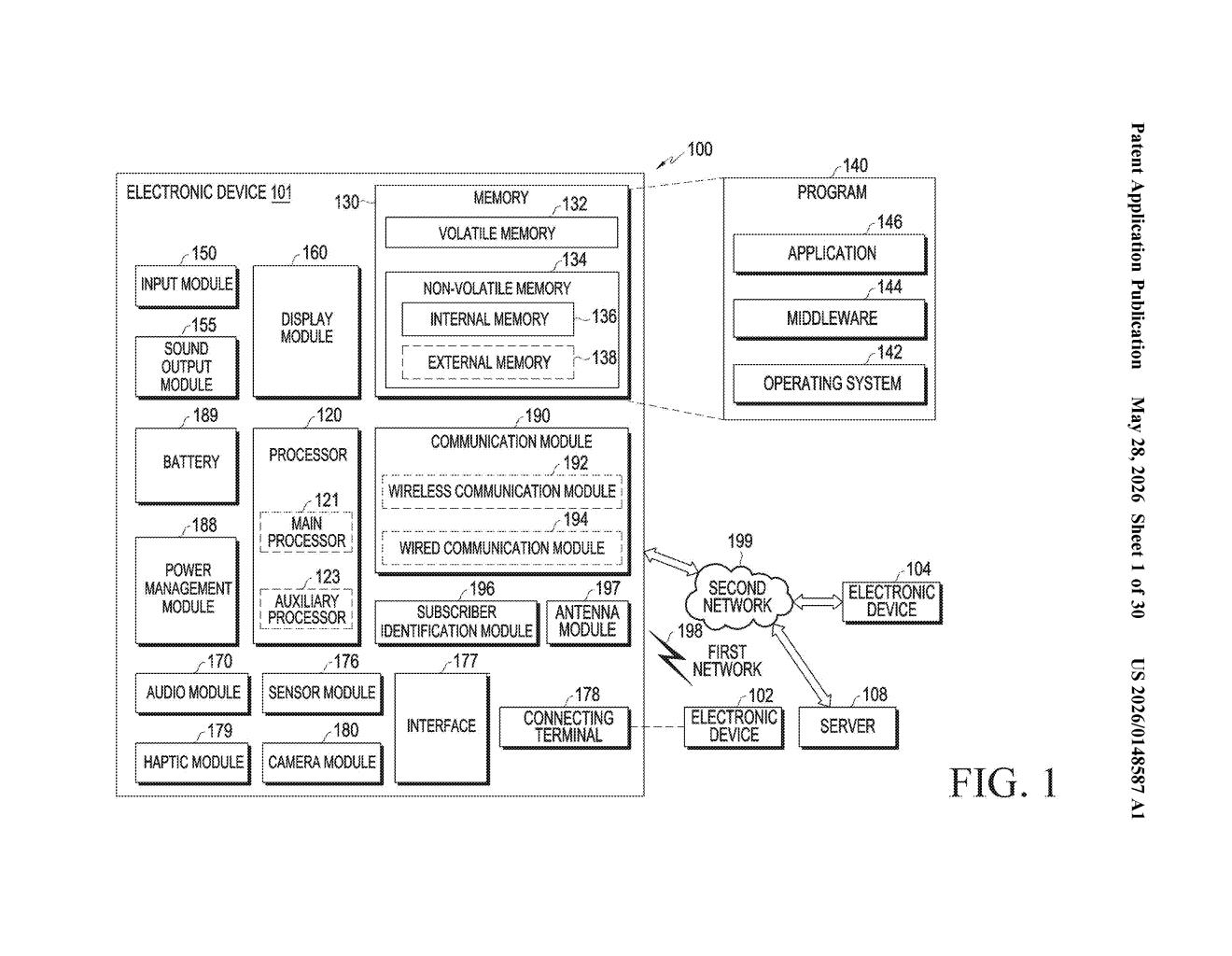
What Samsung's vision engine adapter actually does
Imagine you have several different photo-editing apps, and each one only accepts images in a specific format or color profile. If your camera just handed every app the same raw file, some of them would struggle or fail. You'd want something in the middle that converts the image on the fly before it even reaches the app.
That's essentially what Samsung is patenting here. An electronic device — likely a smartphone or similar gadget — captures visual data through a camera sensor, then checks what a particular vision recognition engine (an AI that interprets images) actually needs, and automatically transforms the image data to match those requirements before sending it off.
The result is that the same piece of hardware could work with many different vision AI systems without any single engine needing to accommodate raw sensor output. It makes the device more flexible and potentially more accurate, since each AI gets data in its preferred form.
How the processor transforms visual data per engine requirements
The patent describes a three-stage pipeline running on at least one processor inside the device.
- Capture: A first vision sensor grabs raw visual data — think frames from a camera.
- Requirement check: The device looks up or queries what a designated vision engine (the specific AI model assigned to process this data) expects — things like color space, resolution, channel order, or normalization range.
- Transform: Before the AI ever sees the data, the processor reshapes at least one component of that visual data to meet the engine's requirements — then passes the transformed data into the vision recognition pipeline.
The core insight is decoupling the sensor's native output format from the AI model's expected input format. Rather than retraining the model or building custom sensor pipelines for each AI, the device inserts a transformation layer at runtime.
The claim is deliberately broad — "at least one component" could mean color channels, resolution, bit depth, frame rate, or other parameters. The patent doesn't lock in a single transformation type, which makes it a flexible architectural claim rather than a narrow implementation.
What this means for on-device AI vision flexibility
On-device vision AI is increasingly fragmented. Samsung devices run multiple vision engines — for object detection, face recognition, scene classification, AR features — and each model may have been trained on data with different preprocessing assumptions. Without a compatibility layer like this, engineers have to either retrain models to accept native sensor output or bake in per-model preprocessing code, which adds complexity and slows iteration.
For you as a user, the upside is smoother and more accurate AI features on your device — the camera isn't fighting the AI model. For Samsung, it's an architectural pattern that could make swapping in new or third-party vision models much easier as on-device AI keeps evolving.
This is solid, pragmatic engineering — not flashy, but it solves a real problem that anyone who's shipped computer vision on constrained hardware has run into. The claim is broad enough that Samsung could assert it fairly aggressively. Worth watching as a building block in their on-device AI stack.
There are more where this came from
We read every patent application Big Tech publishes and send you the ones worth knowing. Plain English, free, every week.
Want this weekly breakdown for a company we don't cover? Patentlyze Pro →