
Samsung Patents a Two-Stage NAN Pairing System for Nearby Devices
Samsung is patenting a way for devices to negotiate a faster or more capable wireless channel before they've even fully connected — using a lightweight discovery ping as the setup move.
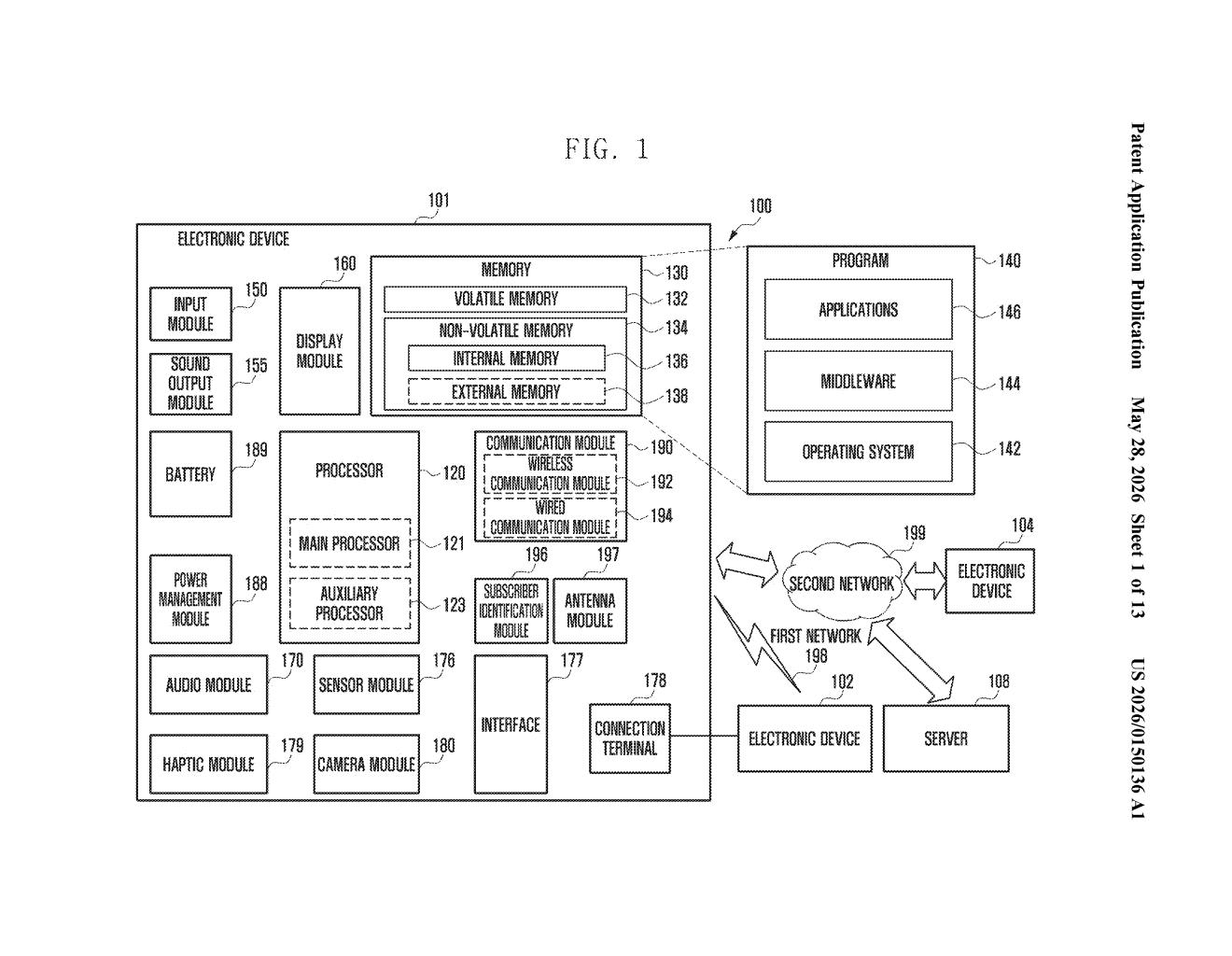
How Samsung's two-step wireless handshake works
Imagine you want to share a large video with a friend standing next to you. Your phone and theirs first exchange a quick, low-power "hello" — and embedded in that hello is a note saying, "hey, I also support this other, faster wireless method." Your phone reads that note and wakes up the better radio just in time.
That's the core idea in this Samsung patent. It describes a device that listens for a discovery message over one short-range wireless channel, spots a hint that a second, presumably better channel is available, quietly activates that second interface, and then replies with everything the other device needs to switch over to it.
The end result: you get a direct, optimized connection without the usual back-and-forth setup delays. The discovery channel does the negotiation work so the main connection channel doesn't have to.
How NAN discovery triggers the second radio interface
The patent centers on Neighbor Awareness Networking (NAN) — a Wi-Fi standard (part of Wi-Fi Aware) designed for low-power, peer-to-peer discovery without a traditional router in the middle. NAN lets devices broadcast small "I'm here" messages on a shared schedule, even when they're not actively connected to anything.
Here's the sequence the patent describes:
- Device A sends a discovery message via a first short-range communication method (likely NAN/Wi-Fi Aware) that also contains metadata about a second communication method it supports.
- Device B receives that message, parses it, and — critically — activates the interface for the second method only at that point, rather than keeping it on all the time.
- Device B replies through the first channel with the credentials or parameters needed to connect via the second channel.
- The two devices then establish a full connection over the second, presumably higher-bandwidth or lower-latency channel.
The "second communication method" isn't pinned to a specific technology in the claim, which keeps the patent broad — it could apply to Wi-Fi Direct, NAN Data Path, or even Bluetooth-to-Wi-Fi upgrade scenarios. The key insight is lazy activation: don't spin up the more power-hungry radio until you know a compatible peer is actually there.
What this means for device-to-device pairing speed
For everyday users, this is about making direct device-to-device transfers — think Quick Share, nearby file drops, or multiplayer game sessions — feel snappier and more reliable. By using NAN as a lightweight pre-negotiation layer, Samsung's approach avoids the awkward "searching for devices" spinner and reduces the time both radios need to be fully active.
From a battery and radio management standpoint, only activating the second interface after you've confirmed a compatible peer exists is a meaningful efficiency win, especially on mobile hardware. This is incremental but practical work on a real pain point in peer-to-peer wireless UX.
This is unglamorous radio plumbing — the kind of patent that won't show up in a keynote but absolutely could improve how Samsung's Quick Share or Galaxy-to-Galaxy transfers feel in practice. The lazy-activation pattern is solid engineering, and anchoring it around NAN puts Samsung in a good position as Wi-Fi Aware becomes more common across Android devices.
There are more where this came from
We read every patent application Big Tech publishes and send you the ones worth knowing. Plain English, free, every week.
Want this weekly breakdown for a company we don't cover? Patentlyze Pro →