
Qualcomm Patents a Steering Torque System That Signals When Autopilot Is Active
One of the trickiest moments in autonomous driving isn't the car taking over — it's the moment you reach for the wheel. Qualcomm's new patent tries to make that handoff feel seamless, by encoding 'autopilot is still active' information directly into the steering wheel's resistance.
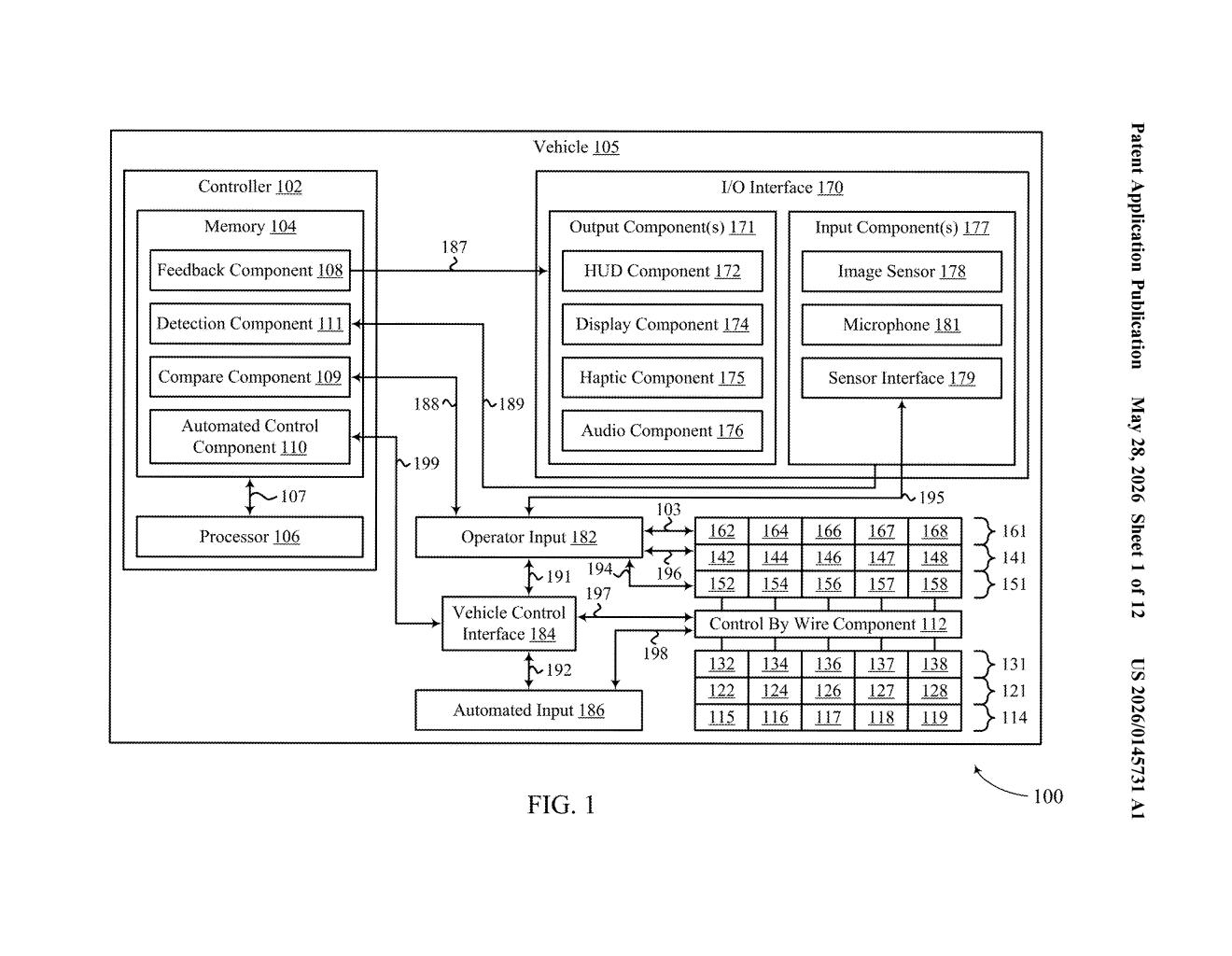
What Qualcomm's steering torque feedback actually does
Imagine you're cruising on a highway with your car's autopilot engaged. You rest your hand on the wheel — maybe you're just checking in — but the car doesn't freak out and hand control back to you immediately. Instead, the wheel feels slightly different than normal: familiar like power steering, but with a subtle extra resistance that tells you, in a physical way, that the car is still driving itself.
That's essentially what Qualcomm is patenting here. The system applies a carefully tuned amount of force to the steering wheel during automated driving. The feel is designed to mimic standard power steering so it's not jarring or strange, but with an added layer of feedback that lets you sense whether the automation is active — without looking at a screen.
Automated driving only yields control when you take over decisively. Until then, you can touch the wheel without triggering a handoff. It's a more human way to manage the blurry line between you and your car's autopilot system.
How the three-torque model blends feel and control signals
The patent describes a processor-based controller that computes a steering torque made up of multiple components and applies it to the steering column while automated driving is active.
The first component comes from characteristic power steering data — essentially a lookup table or model that maps driver input torque and vehicle speed to the kind of assistive force you already feel in any modern car with electric power steering. This makes the wheel feel familiar and natural.
The second component is a speed-dependent offset torque: an additional force that varies based on how fast the vehicle is moving. This is the key signal — it's engineered to feel slightly different from plain power steering, giving the driver a tactile indication that automated steering is still in charge. There's also an optional third torque component tied to the degree of steering (how far the wheel is turned), adding further nuance to the feel.
The system is designed so that:
- The driver can hold the wheel without forcing a mode switch
- Automated control remains active until the driver intentionally overrides it
- The torque feedback communicates system state without requiring the driver to check a dashboard display
In short, it turns the steering wheel into a two-way communication channel between driver and autonomous system.
What this means for the driver-to-autopilot handoff problem
The handoff between human and autonomous control is one of the most studied — and still unsolved — problems in self-driving car design. Current systems often create abrupt mode switches: either the car is driving or you are, with jarring transitions between. Qualcomm's approach embeds state information into the physical feel of the wheel, which could make that gray zone far less dangerous and more intuitive for drivers.
For automakers and Tier 1 suppliers integrating autonomous features, this kind of graduated torque feedback could reduce the cognitive load on drivers during Level 2 and Level 3 automation — the modes where human oversight is still legally required. If your hands are on the wheel anyway, the wheel itself could become the most natural status display imaginable.
This is a legitimately thoughtful solution to a real problem. Encoding autopilot status into steering feel — rather than into yet another visual alert — plays directly to how humans naturally read their environment. Qualcomm filing this (rather than a traditional automaker) is also interesting: it signals they see themselves as owning the software-defined vehicle stack, not just supplying chips for it.
There are more where this came from
We read every patent application Big Tech publishes and send you the ones worth knowing. Plain English, free, every week.
Want this weekly breakdown for a company we don't cover? Patentlyze Pro →