
Sony Patents a Multi-Camera System That Shows Every Camera's Shooting Range at Once
Managing a dozen cameras at a live event means constantly guessing what each one is covering. Sony's new patent describes a system that makes those coverage zones visible — and tailors what you see based on who you are.
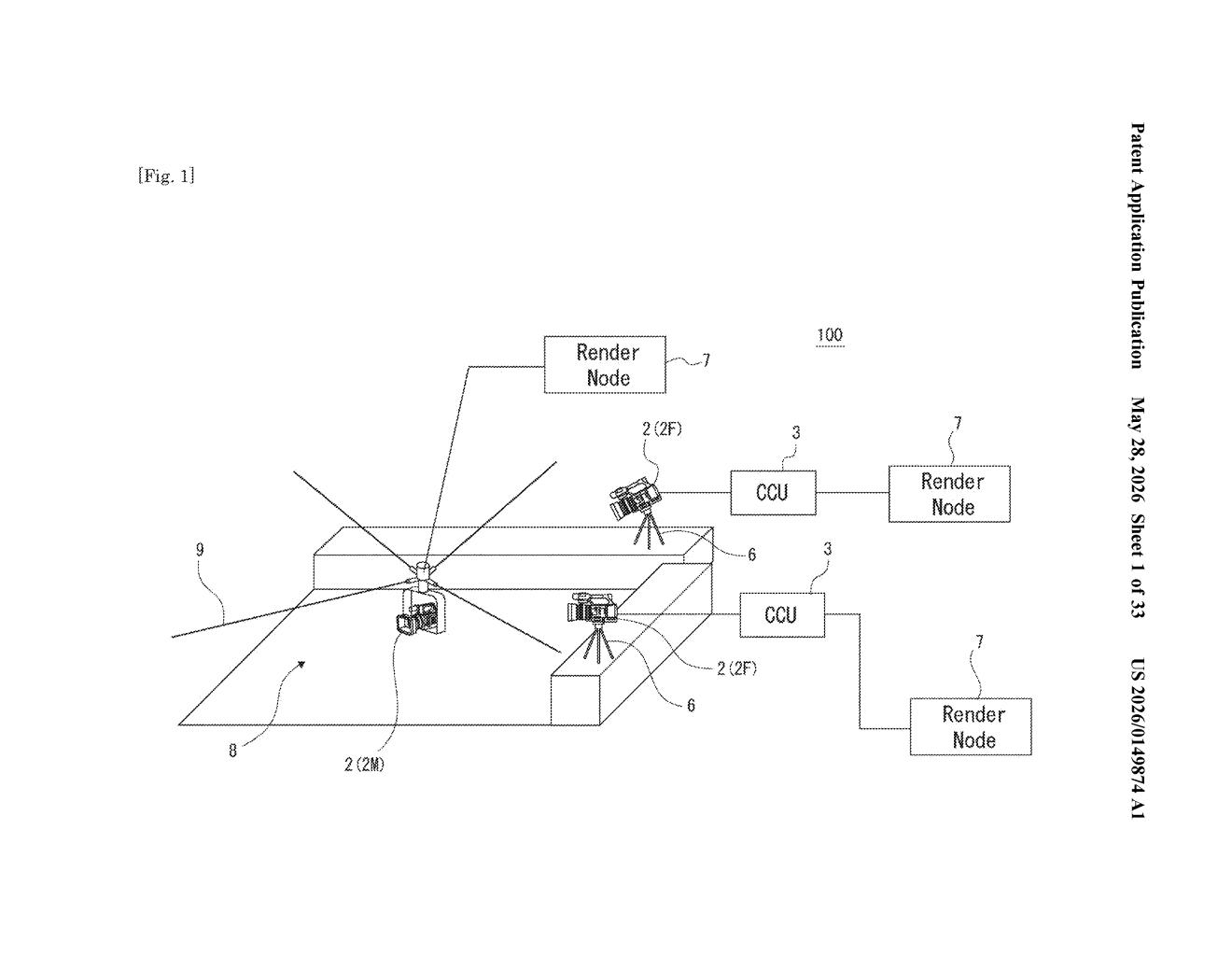
What Sony's shooting-range visualization actually does
Imagine you're directing a live concert with ten cameras spread across the venue. Right now, figuring out which camera covers which part of the stage usually means memorizing diagrams or relying on experience. Sony's patent describes a tool that generates a visual map — overlaid on a shared space view — showing exactly what each camera can see at any given moment.
The clever part is that what gets shown to you depends on who you are. A camera operator might see only their own coverage zone, while a broadcast director sees all of them at once. The system uses what Sony calls "observer information" to customize the display for each person watching the camera feeds.
This kind of spatial awareness overlay could be useful anywhere multiple cameras need to be coordinated in real time — think sports broadcasts, film sets, or large-scale live events.
How the system adapts coverage views per observer
At its core, the patent describes a video processing unit that generates what Sony calls "shooting target-space video data." This is essentially a composite visualization that includes a "shooting range presentation video" — a rendered overlay or map layer that shows the coverage footprint of each camera in a multi-camera setup.
The key variable is observer information — metadata about the person viewing the system. Depending on who is watching (a director, a camera operator, a replay technician), the generated video data is customized accordingly. This means the system isn't just broadcasting a static diagram; it's dynamically rendering what each individual needs to see.
The patent is light on implementation specifics in its published claim, but the general architecture implies:
- A spatial model of the shooting environment (the "target space")
- Per-camera frustum or coverage-zone data (what each lens physically captures)
- An observer-identity or observer-role layer that filters or highlights relevant information
- A rendering pipeline that combines all of the above into a usable video output
This sits conceptually close to virtual production tools and broadcast control systems, where spatial awareness of camera coverage is a real operational challenge.
What this means for live production and broadcast crews
For live broadcast and large-scale production crews, knowing where every camera is pointed — and communicating that across a team — is genuinely hard. Tools that visualize coverage zones in real time could reduce coordination errors, speed up shot selection, and help directors make faster decisions during live events like sports or concerts.
The observer-aware customization angle is worth noting. Rather than showing everyone the same cluttered overview, the system tries to give each person exactly the context they need. Whether this ends up in a Sony broadcast product, a virtual production suite, or a professional camera management platform, the underlying idea addresses a real pain point in multi-camera production workflows.
This is a focused, workmanlike patent targeting a genuine problem in professional broadcast and live production. It's not glamorous, but the observer-aware customization layer is a thoughtful detail that elevates it above a simple camera-mapping tool. Sony's professional imaging and broadcast division has real products in this space, so this feels like incremental R&D rather than a moonshot.
There are more where this came from
We read every patent application Big Tech publishes and send you the ones worth knowing. Plain English, free, every week.
Want this weekly breakdown for a company we don't cover? Patentlyze Pro →