
Adobe's New Patent Lets AI Pretend to Be Your Audience Before an Ad Goes Live
Before an ad campaign ever reaches a real audience, Adobe wants generative AI to simulate how that audience would likely respond — using persona representations as a kind of digital stand-in for real people.
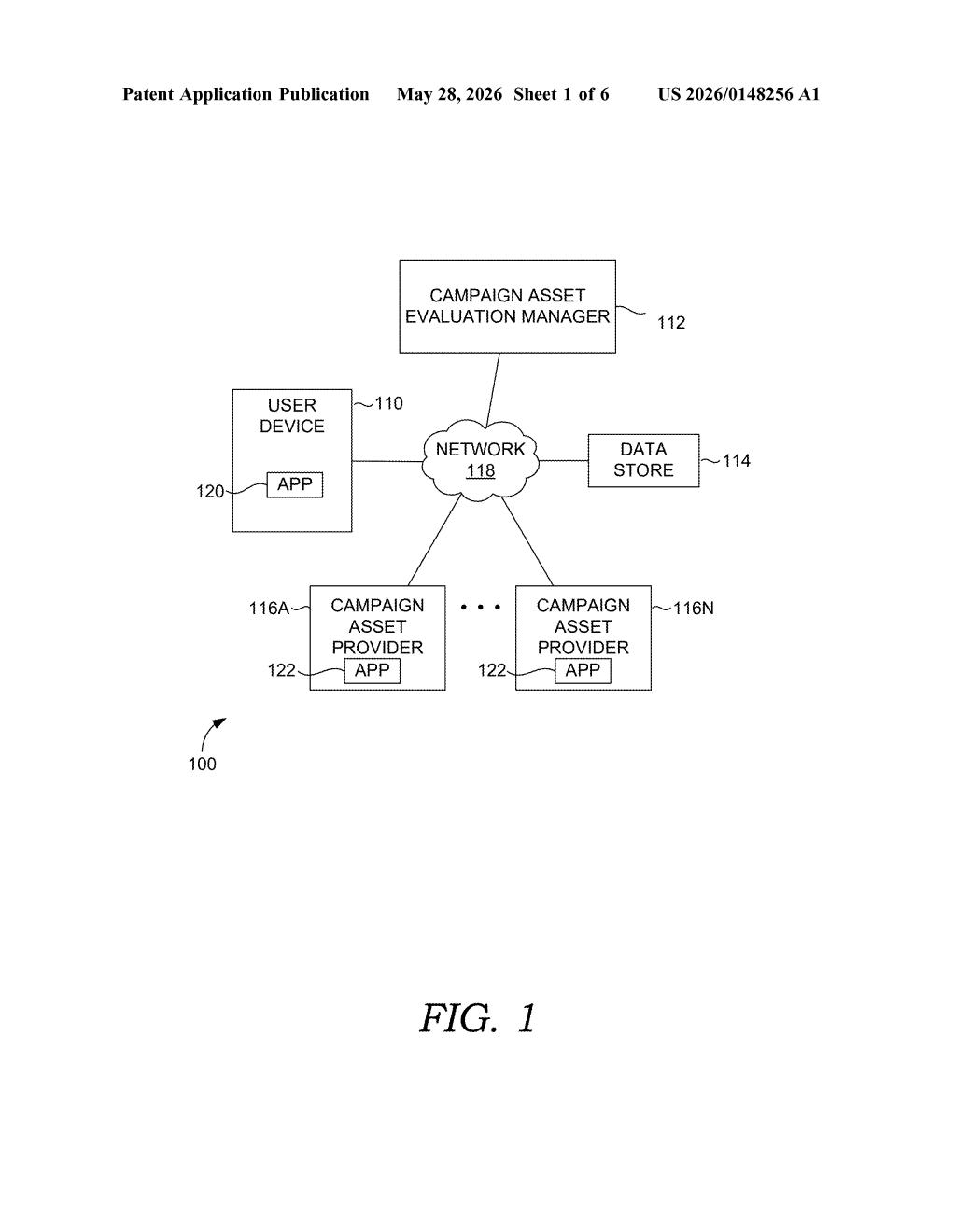
What Adobe's persona-driven ad insight tool actually does
Imagine you're a marketer about to launch three different versions of a banner ad. You know your target audience — say, budget-conscious millennials who care about sustainability — but you're not sure which version will resonate most. Normally you'd either guess, run a small test, or pay for focus groups.
Adobe's patent describes a system where an AI steps in before any of that happens. You define (or select) a persona — a structured representation of your target audience — and the system uses generative AI models to generate insights about how that persona would likely respond to each campaign asset. The AI essentially asks, "Would this resonate with this type of person?"
Those insights are then shown to you in the interface alongside your campaign assets, and the system can automatically filter and rank which assets are worth running. The pitch is efficiency: fewer wasted ad dollars, fewer compute cycles serving campaigns that were never going to land.
How Adobe's generative AI maps personas to campaign assets
At its core, the system links three things together: a campaign asset (an ad, a banner, a piece of creative), a persona representation (a structured data model of a target audience — think demographics, interests, behaviors, and goals), and a generative AI model that synthesizes insights from the combination.
The claim describes a pipeline where:
- A persona tied to a specific campaign goal is identified
- One or more generative AI models analyze the campaign asset through the lens of that persona
- An audience insight is produced and surfaced in a graphical user interface alongside the asset
- Insights across multiple campaign assets are compared, and the system filters candidates to find the best match for the goal — before anything gets served over a network
The "reducing computer resource utilization" language in the claim is patent-speak for a real optimization: by pre-filtering campaigns using AI-generated insights rather than live A/B testing at scale, you avoid burning server and network resources on underperforming creative. The filtering step is what makes this a system claim rather than just a pretty AI dashboard.
What this means for AI-assisted ad creative decisions
For marketers using Adobe's creative and campaign tools — think Adobe Experience Cloud — this kind of AI-in-the-loop pre-flight check could meaningfully reduce the guesswork before launch. Instead of relying on intuition or post-hoc analytics, you'd get generative AI feedback tuned to your specific audience persona at the asset-selection stage.
The broader implication is that Adobe is positioning generative AI not just as a content-creation tool, but as a decision-support layer in the campaign workflow. That's a different kind of AI value proposition — less "make me an image" and more "tell me if this image will work for these people before I spend money on it."
This is a fairly well-scoped patent that fits neatly into Adobe's Experience Cloud strategy — it's not a moonshot, but it's a real workflow problem that AI is genuinely positioned to help with. The interesting part is the filtering step: using AI-generated persona insights to prune campaign candidates before deployment is a concrete, measurable use case, not just AI theater. If Adobe ships this inside Experience Manager or Marketo Engage, it could actually reduce the amount of bad creative that makes it to live audiences.
Get our take in your Top Stories
Liked this breakdown? Add Patentlyze as a preferred source on Google, and our plain-English take shows up more often in your Top Stories the next time Adobe patent news breaks.
There are more where this came from
We read every patent application Big Tech publishes and send you the ones worth knowing. Plain English, free, every week.
Want this weekly breakdown for a company we don't cover? Patentlyze Pro →