
Adobe Patents a System That Writes Your AI Image Prompts For You
Struggling to write the perfect prompt to get an AI image generator to do what you actually want? Adobe's latest patent describes a system that handles that translation step for you — automatically converting a vague request into a detailed, image-ready description.
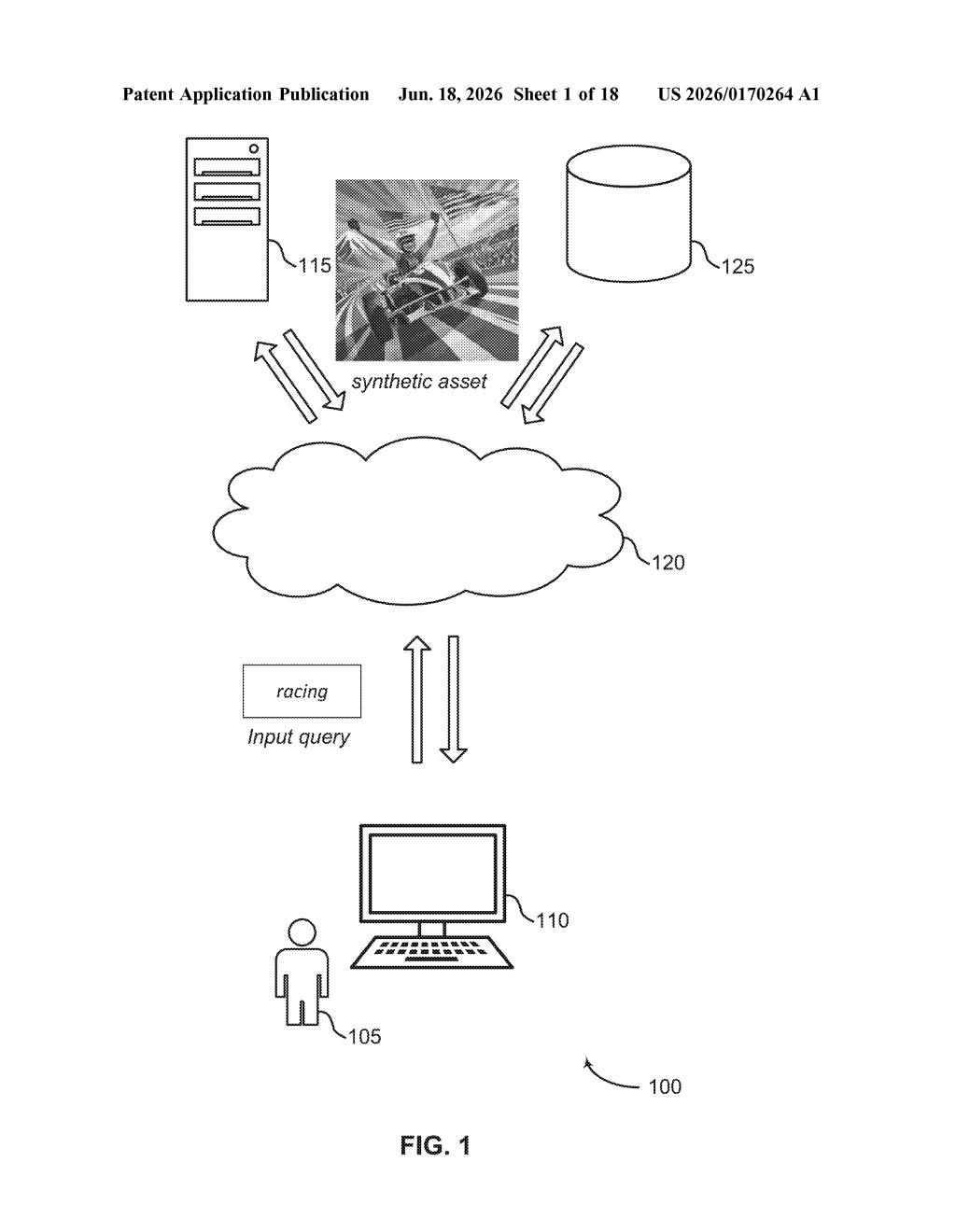
What Adobe's auto-prompt pipeline actually does
Imagine you type something like "a cozy coffee shop in autumn" into an AI design tool, and instead of getting a generic or mismatched result, the system quietly figures out exactly what you mean and rewrites your request into something far more precise before sending it to the image generator. That's the core idea here.
Adobe's patent describes a two-step process: first, a smaller AI model reads your input and works out your intent — what you actually want to depict. Then, a language model takes that intent and writes a much more detailed prompt, which is finally handed off to an image generator.
The result is that you don't need to master the art of "prompt engineering" — the clunky skill of learning exactly how to phrase requests to get good AI images. Adobe's system does that work in the background, acting as a translator between your natural language and the image model's requirements.
How the intent model feeds the language model
The patent outlines a three-stage pipeline for generating AI images from user input:
- Intent model: A lightweight AI (described as a "small language model") reads the user's input prompt and produces a structured "asset generation intent" — essentially a clean, unambiguous statement of what image element the user is asking for.
- Language model: That intent is passed to a larger language model, which expands it into a fully formed image prompt — rich with descriptive detail that image generators respond well to.
- Image generation model: The polished prompt is finally sent to an image model, which produces the actual synthetic visual asset.
The key architectural choice is keeping a small language model as the first gatekeeper. Small models are faster and cheaper to run than large ones, so using a compact model just to parse intent — and reserving the heavier lifting for a larger model — keeps the pipeline efficient.
The patent is broadly written to cover images, but the term "multimodal" in the title suggests the approach could extend to other asset types — audio, video, or 3D — down the line.
What this means for Adobe's AI creative tools
For everyday users of Adobe's tools — Firefly, Photoshop's generative fill, Express — this kind of system would reduce the gap between what you want and what you actually get. Right now, AI image tools often require trial and error with phrasing. A built-in prompt interpreter removes that friction without exposing you to any of the complexity underneath.
For Adobe specifically, it fits a clear strategic pattern: making generative AI features more accessible to non-expert creative professionals. The more reliably these tools produce usable results on the first try, the more likely users are to keep reaching for them — and to justify a Creative Cloud subscription.
This is a practical piece of AI pipeline infrastructure, not a flashy new capability. The underlying idea — use one model to interpret intent, another to elaborate it — is a sensible engineering approach to a real usability problem. It's worth watching because it reveals how Adobe thinks about lowering the skill floor on AI tools, which is where the mass-market creative audience actually lives.
There are more where this came from
We read every patent application Big Tech publishes and send you the ones worth knowing. Plain English, free, every week.
Want this weekly breakdown for a company we don't cover? Patentlyze Pro →