
Samsung Patents a Display That Speeds Up While It Rolls Out
When a rollable phone physically extends its screen, the display is doing something genuinely unusual — and Samsung has a specific plan for keeping the picture smooth while it happens.
What Samsung's rollable display refresh trick actually does
Imagine folding out a map while you're still reading it. That's roughly what a rollable phone does: the screen physically slides out to give you more display area. The tricky part is keeping the image looking good while it's still moving.
Samsung's patent describes a system that temporarily bumps up the display's scan rate — how many times per second the screen refreshes itself — during the unrolling animation. Think of it like a camera switching to burst mode right when the action starts. The higher rate helps the display keep up with the rapid physical change, reducing any blur or visual glitching you might otherwise see.
Once the screen is fully extended and settled, the refresh rate drops back down to the normal, power-efficient baseline. It's a small but deliberate optimization: use extra power only when you actually need it, then dial it back.
How the scan rate shifts during the unroll sequence
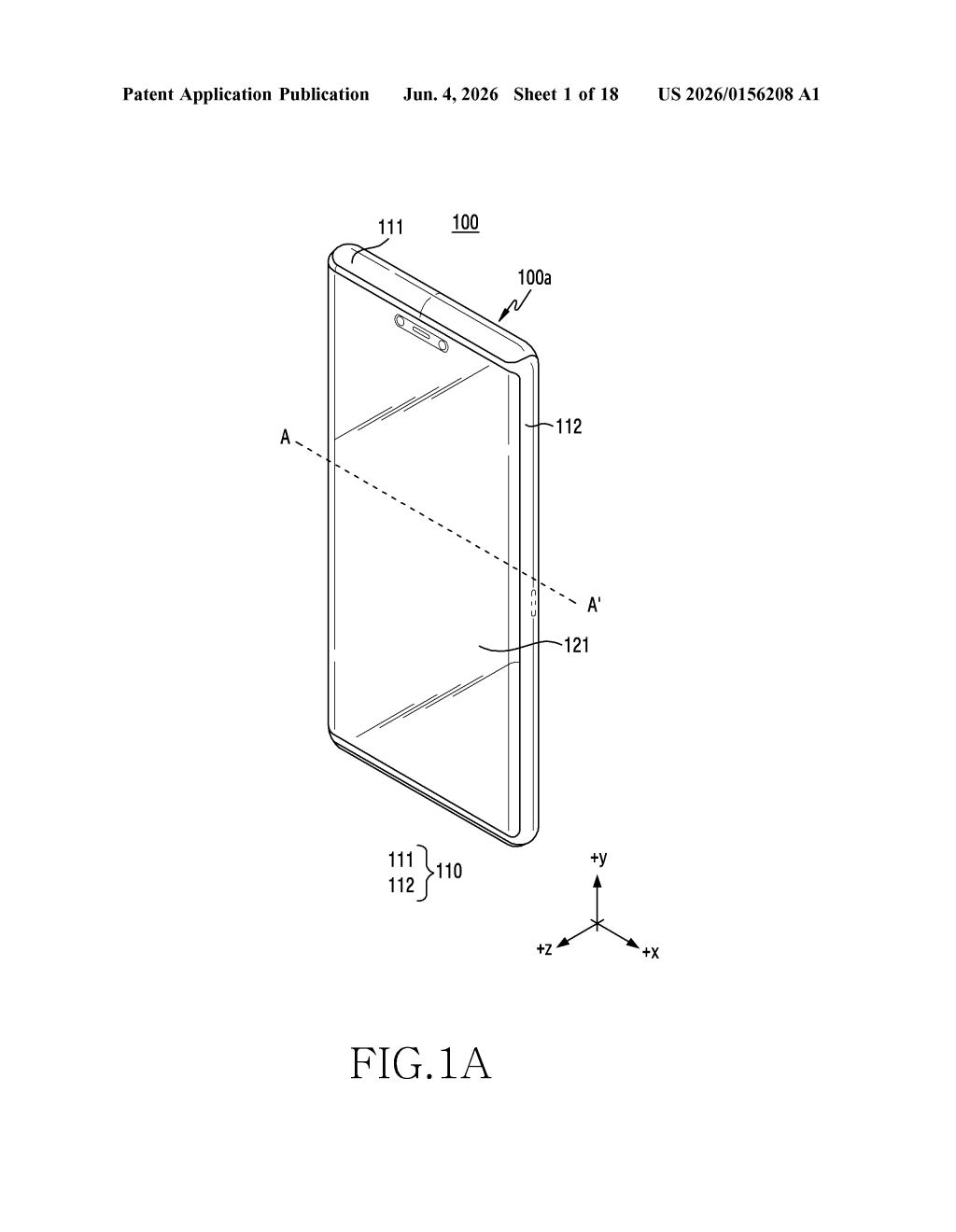
The patent describes an electronic device with two housings — one fixed, one that slides — and a display that has a base area always visible and an extended area that physically rolls out from inside the chassis when you expand the device.
The core logic is a three-phase scan rate strategy:
- First state (compact): Only the base display area is visible. It runs at a lower, power-saving scan rate (the patent calls this the "first scan rate").
- During transition: The moment the device starts switching to the expanded state, the entire visible display — including the base area — ramps up to a higher scan rate ("second scan rate"). This elevated rate covers the physically dynamic portion of the animation.
- Second state (fully expanded): Once the roll-out is complete, both the base and extended display areas drop back to the lower scan rate.
The scan rate (roughly analogous to refresh rate — how frequently pixel data is written to the panel) matters here because a physically moving display surface introduces artifacts that a higher data-write frequency can suppress. The patent also implies the processor monitors the mechanical state transition to trigger these rate changes at precisely the right moments.
What this means for Samsung's rollable phone ambitions
Rollable displays are one of the more mechanically complex form factors the industry has attempted. Every moving part is a potential failure point, and visual artifacts during the expansion animation would make the whole experience feel cheap. Samsung's approach here is about making the transition feel seamless — not just mechanically smooth, but visually polished.
This patent also signals that Samsung is thinking carefully about the power efficiency side of rollable devices. Running a high refresh rate all the time drains battery fast; running it only during the brief expansion window is a sensible trade-off. If Samsung does ship a rollable Galaxy device, details like this are what separate a product that feels premium from one that just looks impressive in a teardown video.
This is a focused, practical patent — not a broad land-grab. Samsung is solving a specific and real problem: rollable screens move, and moving screens can look bad if the display controller isn't keeping up. The three-phase refresh rate logic is clean engineering. It's worth paying attention to, especially given Samsung's public history of rollable prototype demos that never quite made it to shelves.
There are more where this came from
We read every patent application Big Tech publishes and send you the ones worth knowing. Plain English, free, every week.
Want this weekly breakdown for a company we don't cover? Patentlyze Pro →