
Samsung Patents Pressure-Sensing Phone Buttons That Vibrate Back When You Press Them
Samsung is rethinking what a phone button can do — instead of a simple click, its new patent describes buttons that measure exactly how hard you press them and fire back a custom vibration in response.
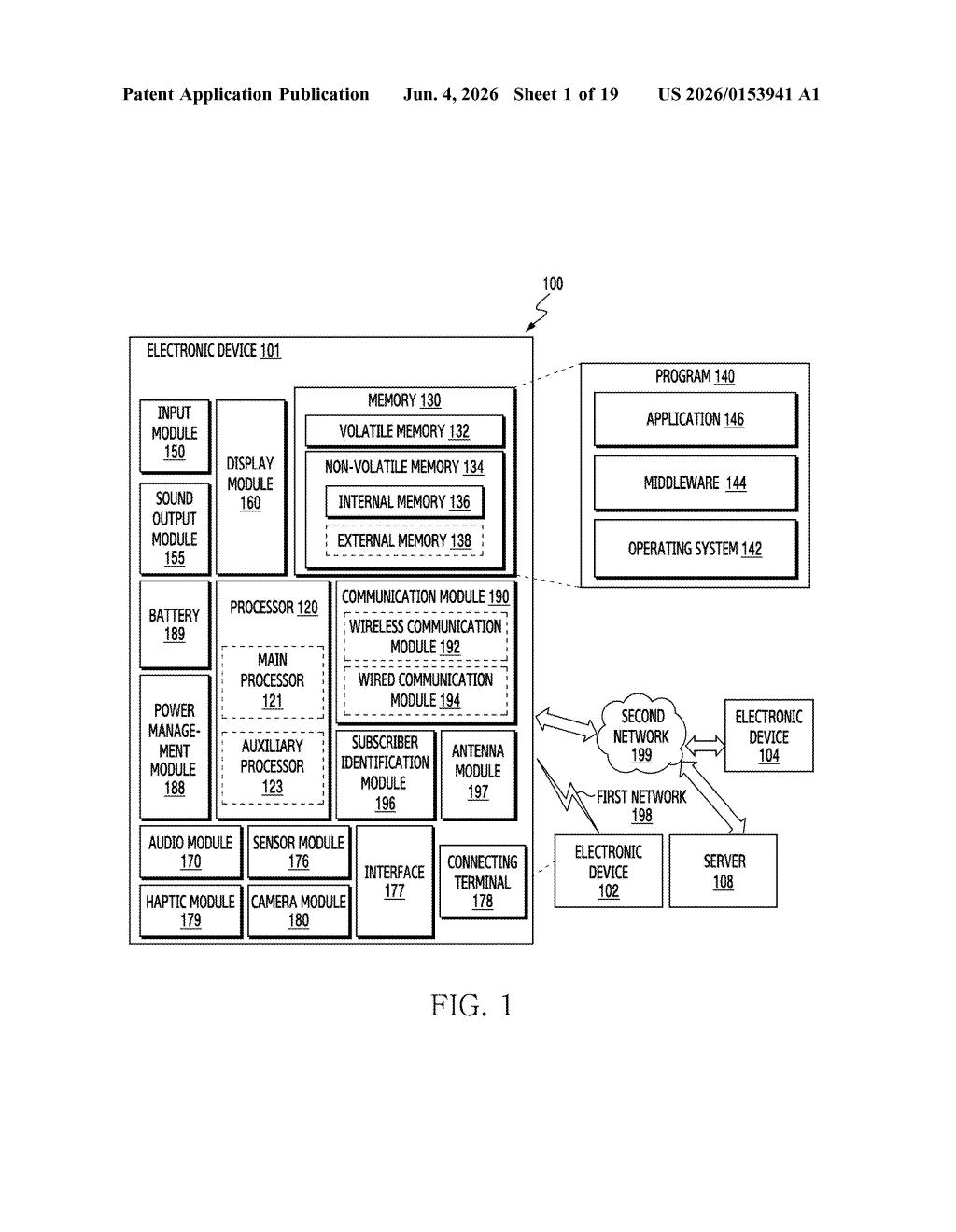
What Samsung's pressure-sensitive button system actually does
Imagine pressing the volume button on your phone and feeling a subtle buzz that confirms not just that you pressed it, but how hard you pressed it. That's the core idea here.
Samsung's patent describes a system where two physical buttons — think volume up and volume down — each have their own pressure sensor underneath. When you press one, a shared vibration element between the two buttons fires off a haptic response tuned to how much force you applied. Light tap, light buzz. Hard press, stronger buzz.
There's also a clever fallback built in. If one button's pressure sensor stops working — say it malfunctions — the device can detect that something's wrong and still respond to a button-combo press (like holding both buttons at once) using the other button's sensor to fill in the gap. Your phone keeps working even when a hardware component is glitchy.
How the vibration element and dual sensors work together
The patent describes an electronic device — almost certainly a smartphone — with two side-mounted buttons, each backed by its own pressure sensor. Between those two sensors sits a single vibration element (a piezo actuator — a component that converts electrical signals into precise mechanical vibrations) shared by both buttons.
When the first pressure sensor detects a press, the vibration element outputs a first vibration calibrated to that press intensity. When the second sensor detects a press, it outputs a second vibration — potentially different in strength or character. The shared actuator means Samsung can deliver nuanced haptic feedback without doubling the hardware.
The malfunction-handling logic is the more unusual part. If the first button's pressure sensor goes silent but the piezo actuator picks up a signal anyway (vibrations travel through the chassis), the device infers the button was probably pressed. If, at the same time, the second button is being held down for longer than a set reference time, the device still executes the function normally assigned to pressing both buttons together.
- Dual pressure sensors — one per button, measuring press intensity
- Shared piezo actuator — positioned between the two sensors, outputs two distinct vibration profiles
- Malfunction detection — uses residual vibration and the second button's signal to compensate for a failed sensor
What this means for Galaxy button design and reliability
For Galaxy phone users, this hints at a future where physical buttons feel more like touchscreens — responsive, context-aware, and capable of distinguishing between a tap and a deliberate press. That opens up new interaction patterns: a gentle press could adjust volume one notch, a firm press could jump several steps, all from the same button.
The malfunction-compensation logic is quietly the most practical part of this filing. Hardware buttons fail — pressure sensors crack, contacts corrode. Building fault-tolerance directly into the firmware means a broken sensor doesn't brick a critical function like a power+volume emergency shortcut. That kind of graceful degradation is the unsexy engineering work that actually improves real-world reliability.
This is solid, practical hardware engineering rather than a moonshot idea. Pressure-sensitive buttons with haptic feedback have obvious UX upside, and the fault-tolerance angle shows Samsung is thinking about durability, not just features. It's not a headline grabber, but it's exactly the kind of refinement that separates a well-built phone from a frustrating one.
There are more where this came from
We read every patent application Big Tech publishes and send you the ones worth knowing. Plain English, free, every week.
Want this weekly breakdown for a company we don't cover? Patentlyze Pro →