
Samsung Patents a System That Detects Whether Your Files Have Been Secretly Altered
Samsung is patenting a way to tell whether a file you received is the same one that was originally sent — by embedding a hidden fingerprint at the source and checking it on arrival.
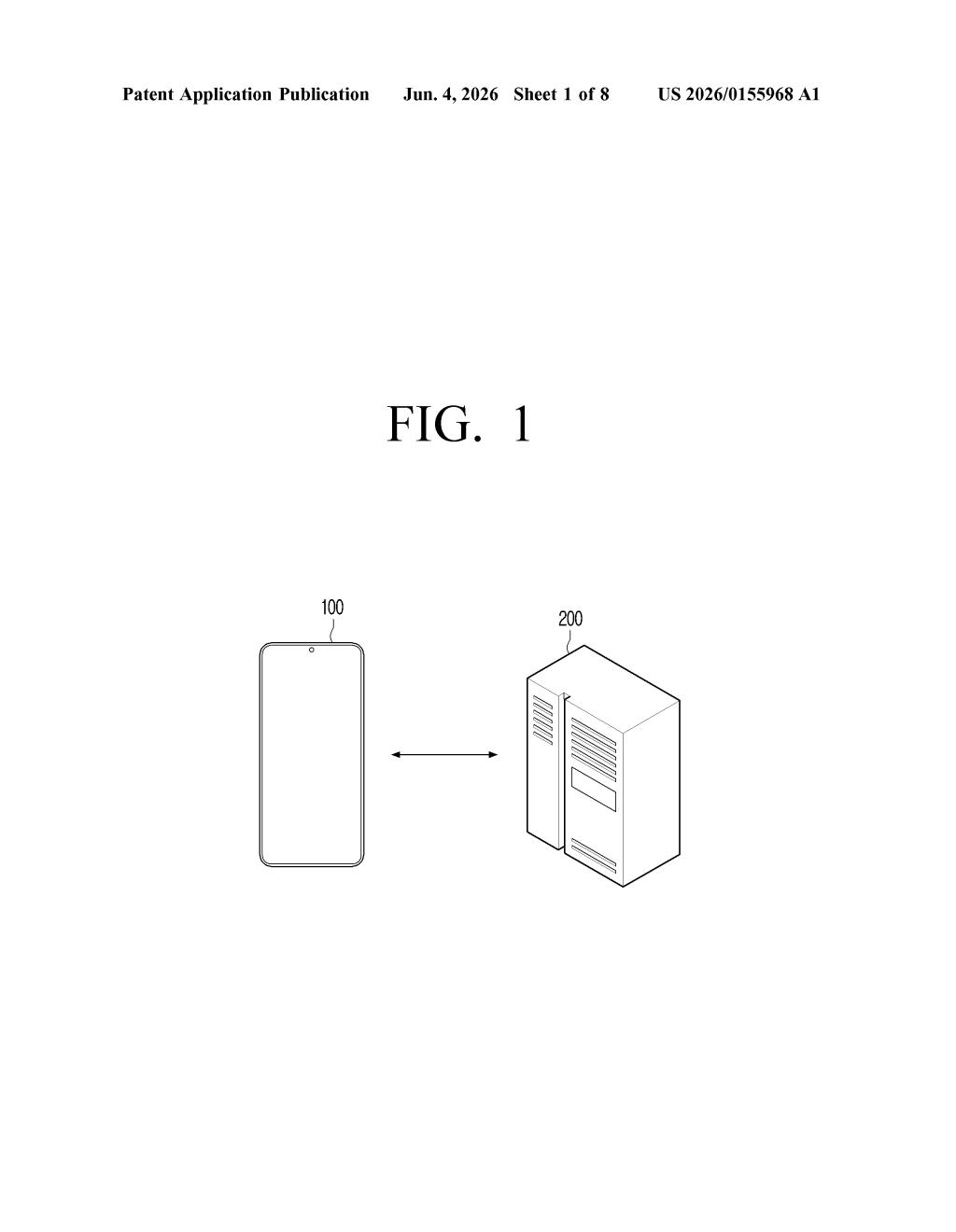
What Samsung's hidden-key tamper detection actually does
Imagine you send an important document to a colleague, but by the time it arrives, someone has quietly modified it — changed a number, swapped an image, or altered a key clause. How would either of you know? That's the problem Samsung is trying to solve here.
The idea is to generate two things when a file is created: a feature value (a kind of mathematical fingerprint of the file's content) and a key value (a unique tag that gets embedded directly into the file itself). Both are logged on a server. When you later receive a file claiming to be the original, your device extracts both values and compares them against what the server recorded.
If the content fingerprint or the embedded key don't match, the device flags the file as potentially falsified and tells you. It's a two-lock system: a forger would have to perfectly replicate both the hidden tag and the content fingerprint to fool it.
How the feature-value and key-value comparison catches fakes
The patent describes a four-stage pipeline running on a Samsung device:
- Generate: When original data ("first data") is created, the device produces a feature value — essentially a content hash or ML-derived fingerprint — and a separate key value, a unique identifier.
- Embed: The key value is inserted directly into the data, producing a watermarked version ("second data"). This is what gets distributed.
- Register: The device sends the matched pair (feature value + key value) to a server, acting as a trusted reference record.
- Verify: When a received file ("third data") arrives, the device extracts its embedded key and generates a fresh feature value from its content. It then compares both against the server's records. If either comparison fails, the system concludes the data has been falsified and surfaces a warning to the user.
The dual-check design is deliberate. A content-only fingerprint could theoretically be spoofed if an attacker knew the hashing scheme. A key-only check could fail if the key was copied onto different content. Requiring both to match raises the bar significantly for a successful forgery.
What this means for data integrity on Samsung devices
Data integrity verification isn't a new concept — cryptographic signing and checksums have existed for decades — but embedding it as a native device-level feature on consumer electronics is a different proposition. If Samsung ships this in Galaxy devices, it could mean everyday files (photos, documents, audio recordings) carry verifiable provenance without the sender needing to use a separate app or service.
This has obvious implications for AI-generated media and deepfakes, where being able to prove a file hasn't been altered since it left the source device is increasingly valuable. It also aligns with emerging standards around content authenticity, like the Coalition for Content Provenance and Authenticity (C2PA) framework that companies like Adobe and Microsoft are already backing.
This is a solid, practical patent addressing a real and growing problem. It's not flashy engineering, but the two-factor approach — content fingerprint plus embedded key, cross-checked against a server — is more robust than single-check schemes. Whether Samsung ships it as a user-visible feature or buries it in enterprise device-management tools will determine whether it actually matters to anyone outside of B2B.
There are more where this came from
We read every patent application Big Tech publishes and send you the ones worth knowing. Plain English, free, every week.
Want this weekly breakdown for a company we don't cover? Patentlyze Pro →