
Samsung Patents a Camera That Pre-Focuses Before You See the Viewfinder
Samsung is patenting a way to have your phone's camera already focused on your subject before the camera app has even finished opening — using a distance sensor to do the heavy lifting in the background.
What Samsung's pre-launch autofocus actually does
Imagine you're at a birthday party and you quickly tap the camera icon to catch the moment. By the time the viewfinder appears, the phone is still hunting for focus — and you've already missed the shot. Samsung's new patent is designed to fix exactly that frustration.
The idea is that the moment you tap to open the camera app, the phone immediately uses a distance sensor (think the same kind used for face unlock or depth mapping) to measure how far away your subject is. It uses that reading to both pick the best camera lens for the job and pre-calculate where the focus should start — all before the preview image is even displayed.
So when the viewfinder finally pops onto your screen, the camera is already focused and ready. You're not waiting for the autofocus to hunt around — you're just waiting for yourself to press the shutter.
How the sensor picks a camera and focus point before preview
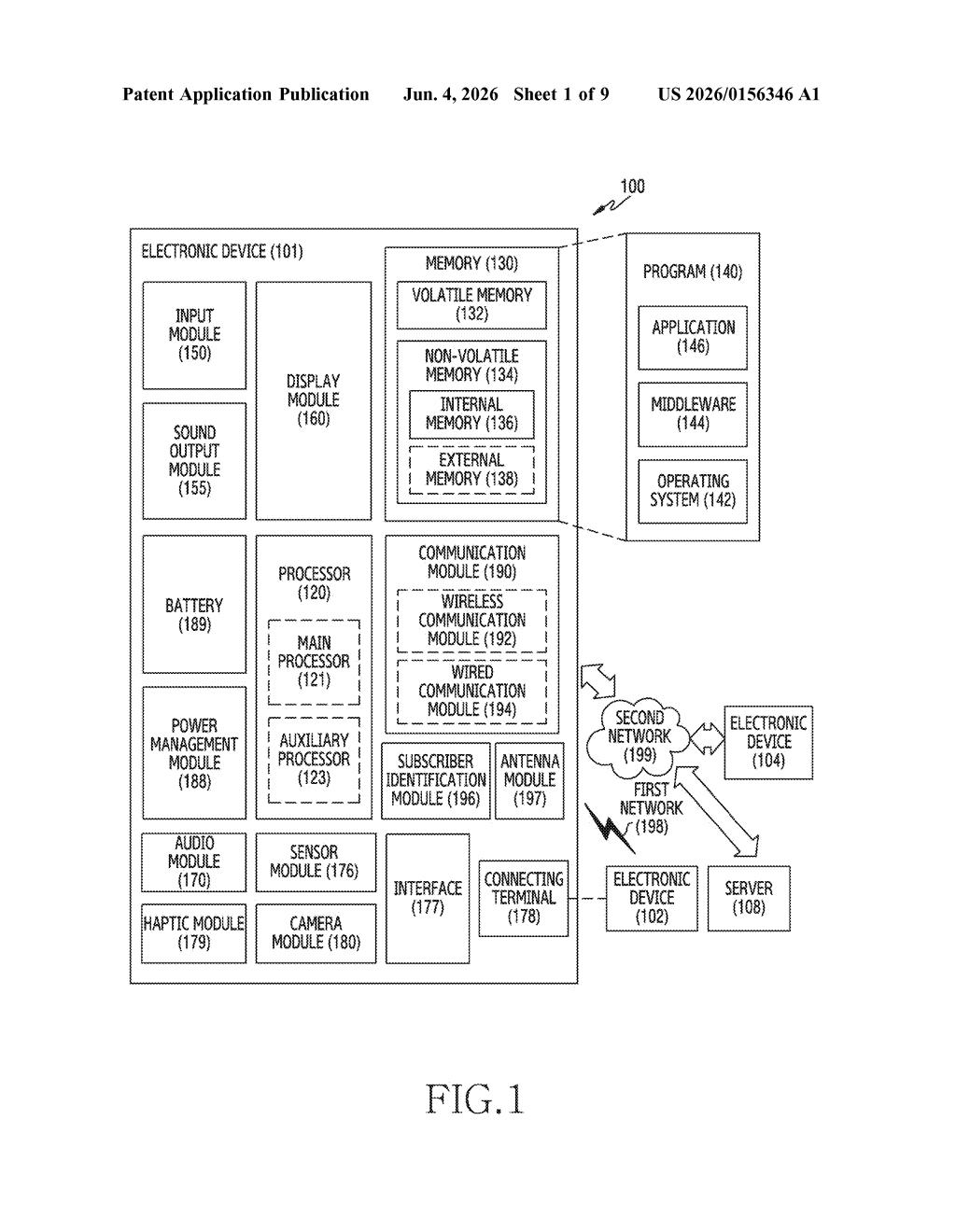
The patent describes a multi-camera device (like a modern smartphone with wide, main, and telephoto lenses) equipped with a dedicated distance sensor. The moment a user triggers the camera app, the system kicks off a parallel process before the preview is rendered.
Here's the sequence the patent lays out:
- The camera app launch input is received.
- The distance sensor immediately measures how far away the subject is — before any preview frame is displayed.
- That distance data is used to select the most appropriate lens from the array (e.g., wide-angle for a nearby subject, telephoto for something far away).
- An initial focus position is calculated for the selected lens based on the distance reading.
- The preview image is then displayed with that pre-computed focus already applied.
The key technical insight is the timing: focus computation is moved out of the post-preview phase and into the dead time during app initialization. Rather than displaying a blurry preview that then snaps into focus, the system aims to show a focused image from frame one. The distance sensor doing the measurement here is separate from the camera itself — likely a ToF (time-of-flight) or IR sensor, which can operate independently and quickly.
What this means for missed shots on Galaxy cameras
Camera launch latency is one of the most complained-about pain points on smartphones, and autofocus lag is a big part of it. If Samsung ships this, the real-world payoff would be sharper first-frame captures — especially useful for action shots, kids, or pets where every tenth of a second counts. It also means the correct lens could be chosen before you ever see the screen, potentially eliminating the brief 'zoom jump' you sometimes see as a multi-camera phone recalibrates after launch.
This kind of under-the-hood timing optimization doesn't sound flashy, but it's the type of engineering that separates a camera that feels instant from one that merely has impressive specs on paper. For Samsung competing with Apple's historically strong camera launch performance on iPhone, it's a meaningful battleground.
This is a genuinely useful patent — not a moonshot, just smart systems engineering that tackles a real and widely-felt annoyance. The specific claim about measuring distance and selecting lens before the preview renders is concrete enough to be implementable, and it's the kind of detail that would show up in a Galaxy S-series spec sheet as 'instant capture.' Worth watching for Samsung's next flagship camera announcement.
There are more where this came from
We read every patent application Big Tech publishes and send you the ones worth knowing. Plain English, free, every week.
Want this weekly breakdown for a company we don't cover? Patentlyze Pro →