
Sony Patents Headphones That Measure Your Ear Shape for Personalized Audio
Every ear is shaped differently, and that shape dramatically affects how you hear sound. Sony is patenting a headphone design that quietly measures your ear's acoustic profile the moment you put it on.
What Sony's ear-measuring headphones actually do
Imagine putting on a pair of headphones and having them automatically figure out exactly how your ears are shaped — no app surveys, no test tones you have to sit through, no manual calibration. That's the core idea here.
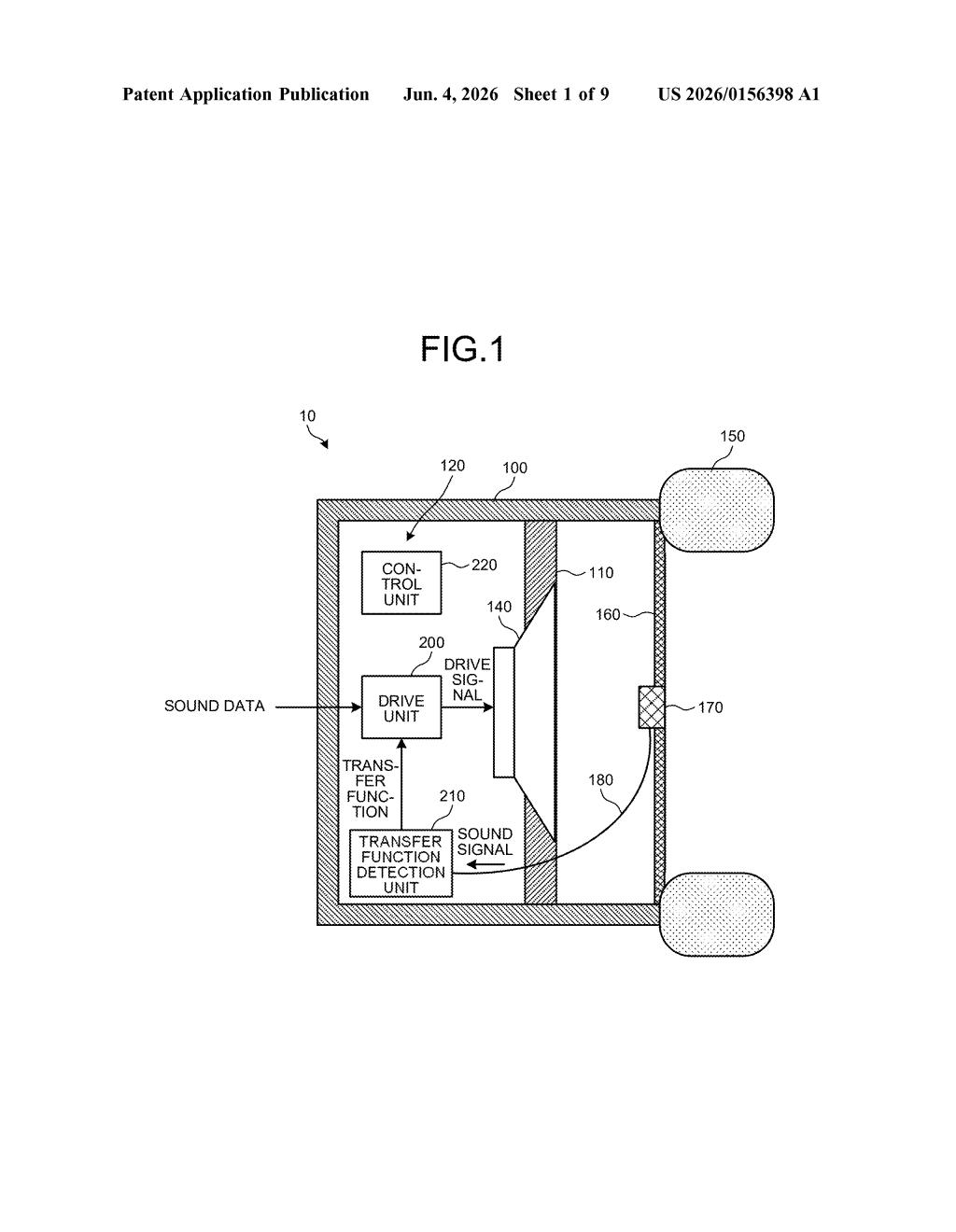
Sony's patent describes over-ear headphones with a thin, film-shaped microphone holder tucked near the ear pad — the cushy ring that presses against your head. When you put the headphones on, the speaker plays a signal, and that microphone picks up how the sound bounces around inside your ear cup and off your specific ear shape. The device then uses that data to build a picture of your ear's transfer characteristics — essentially a fingerprint of how sound reaches your eardrum.
The practical goal is personalized sound. Your ears are yours alone, and audio that's tuned to their exact geometry could sound noticeably better than a one-size-fits-all EQ curve. Sony is trying to make that measurement happen automatically, just by wearing the headphones.
How the film microphone captures your ear's acoustics
The patent describes a set of over-ear (circumaural) headphones with a few key components working together:
- Speaker and housing: A standard driver sits inside a housing with a partition wall that acoustically separates the front and back of the speaker — a design choice that controls how sound propagates toward the ear.
- Ear pad: The foam/cushion ring that encircles the pinna (outer ear) when worn, creating a sealed acoustic chamber.
- Film-shaped microphone holder: A thin, flexible membrane positioned near the ear pad that holds a microphone. Its flat, film-like form factor is designed to sit unobtrusively in the vicinity of the ear without blocking the acoustic path.
- Transfer characteristic detection unit: The signal-processing brain of the system. It plays a known sound through the speaker, captures the result via the microphone, and computes the Head-Related Transfer Function (HRTF) — or at least the external-ear portion of it — which describes how your specific ear shape colors incoming sound.
The key engineering insight is that the microphone doesn't need to be inserted into the ear canal (like a probe mic). By placing it cleverly near the ear pad in a film-shaped holder, Sony aims to capture meaningful acoustic data during normal wear, making the measurement passive and automatic.
What this means for personalized headphone audio
Personalized audio has been a holy grail for headphone makers for years. Services like Apple's Personalized Spatial Audio and Dirac's headphone correction already try to tailor sound to your ears, but they typically rely on external scans, selfie cameras, or questionnaires. A headphone that measures your ear acoustics on-device, on-wear would cut out all of that friction entirely.
For Sony's WH and WF headphone lines, this could mean automatic EQ, more accurate virtual surround sound, or better active noise cancellation tuning — all without you doing anything except putting the headphones on. If Sony can pull this off in a consumer product, it's a meaningful step toward headphones that genuinely sound different — and better — for each individual user.
This is a real, practical problem Sony is trying to solve — personalized audio calibration is genuinely useful, and the friction of existing solutions (camera scans, audiologist measurements) is why most people never bother. The film-microphone-holder detail is the clever bit: it's a structural answer to the question of how you fit a measurement mic into a consumer headphone without making it awkward. Whether it delivers accurate enough HRTF data at scale is the open question, but the direction is right.
There are more where this came from
We read every patent application Big Tech publishes and send you the ones worth knowing. Plain English, free, every week.
Want this weekly breakdown for a company we don't cover? Patentlyze Pro →