
Sony Patents a Display That Lowers Its Own Scan Rate Zone by Zone to Save Power
Your display wastes energy refreshing pixels that haven't changed — Sony's new patent wants to fix that by treating each part of the screen as its own independent refresh zone.
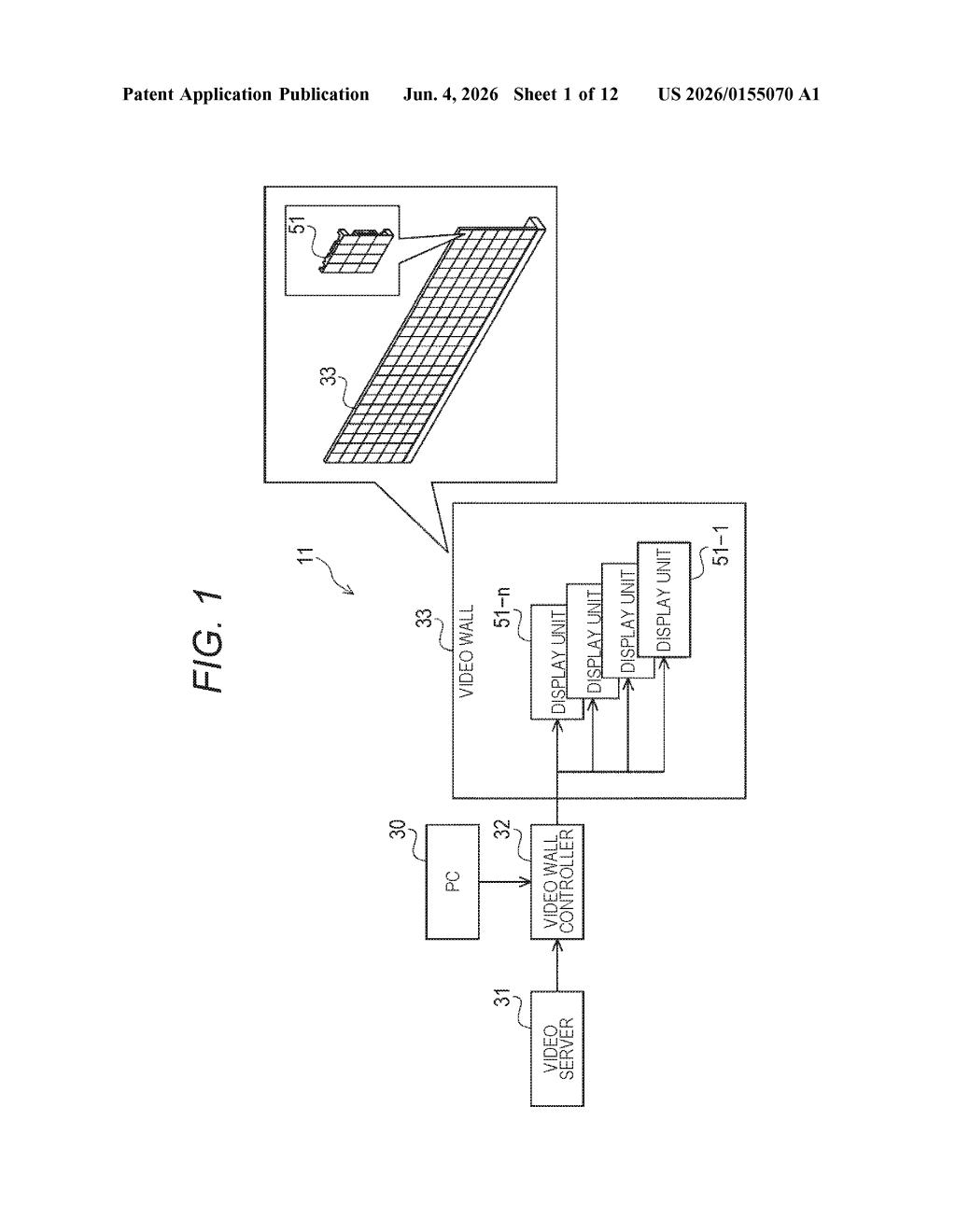
What Sony's zone-by-zone scan rate actually does
Imagine you're watching a movie with a static letterbox bar at the top and a fast-moving action scene in the middle. Your phone or TV is currently refreshing every part of that screen at the same rate, even the parts where absolutely nothing is changing. That's wasted energy.
Sony's patent describes a system that slices the display into sections — think of a grid of tiles — and then watches how much each tile is changing and how bright it is. A dark, static corner? Slow it down. A bright, rapidly animating section? Keep it fast.
The result is a display that's constantly tuning itself, section by section, to use only as much power as each portion of the image actually needs. For OLED panels, where brighter pixels draw more power and every scan cycle costs energy, this kind of per-zone awareness could meaningfully extend battery life without you noticing any visual difference.
How the system maps luminance and motion to scan frequency
The system works in four coordinated steps:
- Acquisition: A dedicated unit grabs the current frame being sent to the display.
- Segmentation: A signal processing unit divides that frame into a grid of "section pictures" — rectangular tiles that map to physical zones on the panel.
- Analysis: A determination unit evaluates two things for each tile: the amount of change between frames (essentially a motion or flicker score) and the luminance (average brightness) of that tile.
- Frequency setting: A setting unit then assigns each tile its own pixel scan frequency — the rate at which the display hardware cycles through and refreshes those pixels.
The key insight is that scan frequency and power draw are tightly linked on modern display panels, especially OLEDs. Scanning more slowly means each pixel's driving circuit activates less often, which directly cuts power. By decoupling the scan rate per zone rather than applying one rate to the whole panel, the system can be aggressive about slowing down idle areas without touching the zones that need high fidelity.
The claim covers both change-amount and luminance as independent triggers, meaning the system can act on either signal — useful because a bright-but-static image (think a white document) and a dim-but-animated image (think a dark video game) represent different power profiles.
What this means for OLED power draw in Sony devices
Display power is one of the largest drains on any portable device, and OLED panels in particular scale power consumption directly with brightness and refresh activity. Variable refresh rate (VRR) technology already does something similar at a whole-screen level — dropping from 120Hz to 60Hz when content is static — but applying that logic at a sub-panel zone level is a meaningfully finer tool.
For Sony, which makes both OLED TVs (Bravia) and portable gaming hardware (PlayStation Portable), a patent like this has clear downstream applications. If you're playing a game where the HUD is static but the gameplay area is chaotic, this system could cut energy use in the HUD region without any perceptible trade-off on your end.
This is a solid, focused engineering patent — not flashy, but it addresses a real inefficiency. Zone-level scan-rate control is a logical extension of VRR, and Sony's display hardware pedigree makes this more than a paper idea. The fact that it covers both luminance and motion as separate triggers shows careful thinking about the full range of real-world content types.
There are more where this came from
We read every patent application Big Tech publishes and send you the ones worth knowing. Plain English, free, every week.
Want this weekly breakdown for a company we don't cover? Patentlyze Pro →