
Sony Patents a Snap-Together Modular System for Releasing Scents on Demand
Sony is patenting a building-block approach to scent delivery — individual aroma cartridges that each hold a different smell, form a directed airflow, and can be physically chained together into larger configurations.
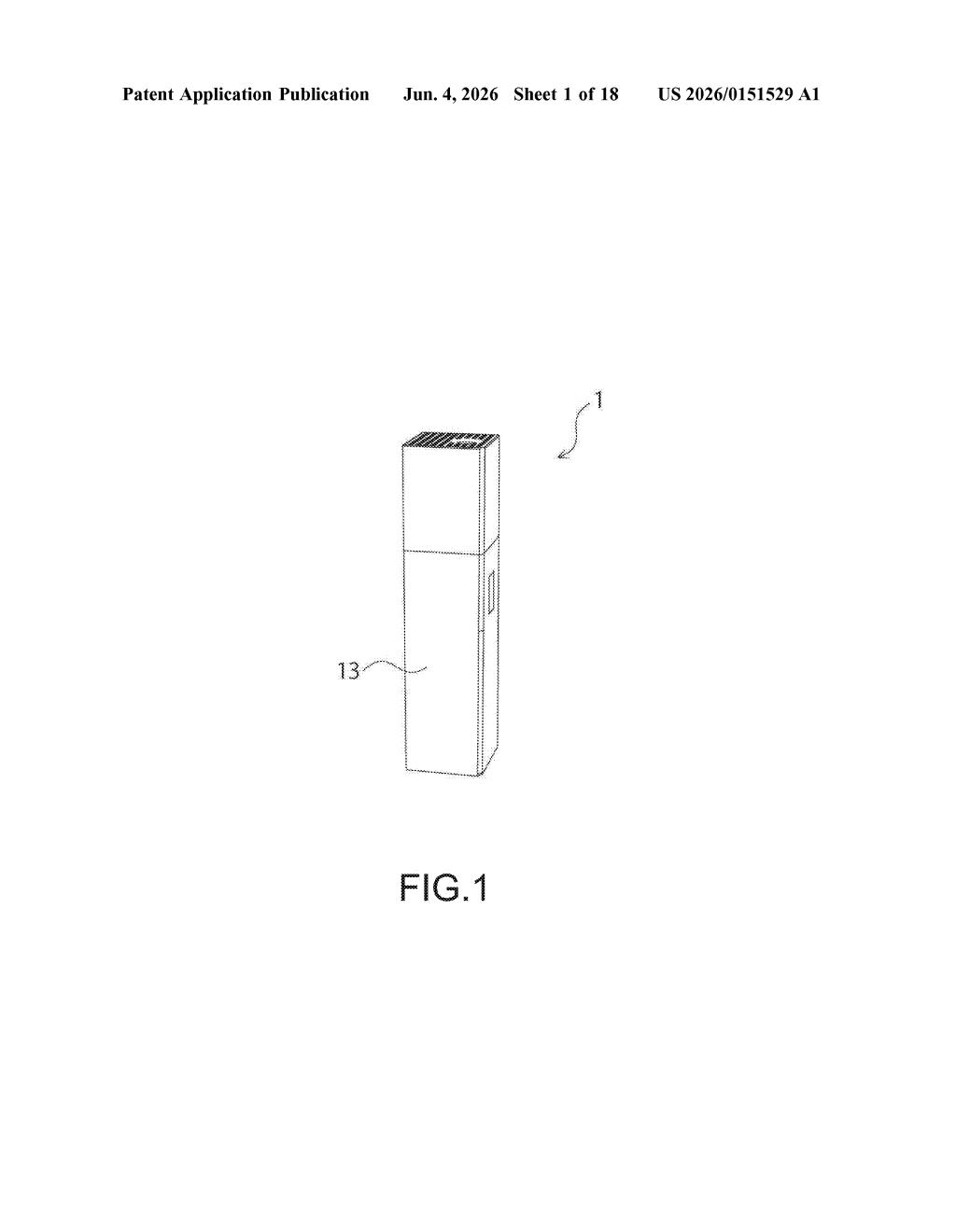
What Sony's modular scent system actually does
Imagine watching a forest scene in a game or a movie and actually smelling pine trees — or catching a whiff of smoke right when an explosion goes off on screen. That's the kind of experience Sony seems to be building toward with this patent.
Each unit in the system is a self-contained little box: it stores a scent material, has a small fan or pump to push scented air out through a nozzle, and has its own onboard controller. The clever part is that each housing has a physical connector so you can join multiple modules together — think of it like Lego bricks for smells.
A central system can then tell each module when to fire, for how long, and at what intensity. That means you could have a lineup of, say, eight different scents and trigger them individually or in combination, giving you a flexible, programmable scent palette rather than a fixed cartridge with one or two options.
How each scent module holds and releases its aroma
The patent describes a scent presentation module — a self-contained unit built around three core components housed in a single enclosure:
- Scent holding section: stores the scent material (likely a gel, liquid, or solid substrate infused with fragrance compounds)
- Airflow forming section: a fan, pump, or similar actuator that pushes air through or past the scent material and out through a dedicated release opening
- Controller: onboard electronics that govern when and how the airflow section operates — speed, duration, timing
The key architectural choice is the joining portion on each housing. This mechanical interface lets you physically attach one module to another, building up a multi-scent array. A higher-level scent presentation system orchestrates the array, selecting which module (or combination of modules) to activate at any given moment.
The patent also references an information processing apparatus — likely a host device like a game console, PC, or dedicated controller — that sends commands to the system, enabling synchronized scent delivery tied to media playback or interactive content. This command-and-control layer is what separates this from a simple plug-in air freshener.
What this means for immersive entertainment and AR
Sony has been publicly invested in multisensory entertainment — PlayStation's haptic feedback and adaptive triggers on the DualSense controller are the obvious precedent. A modular scent system fits that same philosophy: give developers a programmable sensory tool they can layer into experiences, rather than a static accessory.
The modular, snap-together design is the practical enabler here. It means a consumer could start with two or three scent modules and expand over time, swapping out cartridges for different content genres. For VR in particular — where Sony already ships the PlayStation VR2 — adding a synchronized scent layer could meaningfully deepen presence. Whether that's something people actually want in their living rooms is a different question entirely.
Scent tech has been a perennial 'cool demo, never ships' category for decades. Sony's approach is more pragmatic than most — the modular design solves the real-world problem of needing multiple distinct scents without a massive, expensive monolithic device. The connection to PlayStation and VR hardware makes this one of the more credible scent-tech filings from a major consumer electronics company in recent memory.
There are more where this came from
We read every patent application Big Tech publishes and send you the ones worth knowing. Plain English, free, every week.
Want this weekly breakdown for a company we don't cover? Patentlyze Pro →