
Intel Patents a Video Call Background Remover That Remembers What's Behind You
Most video call background replacement tools guess what's behind you frame by frame — Intel's patent takes a different approach, quietly building a running model of your actual background across time so the cutout gets cleaner the longer you're on the call.
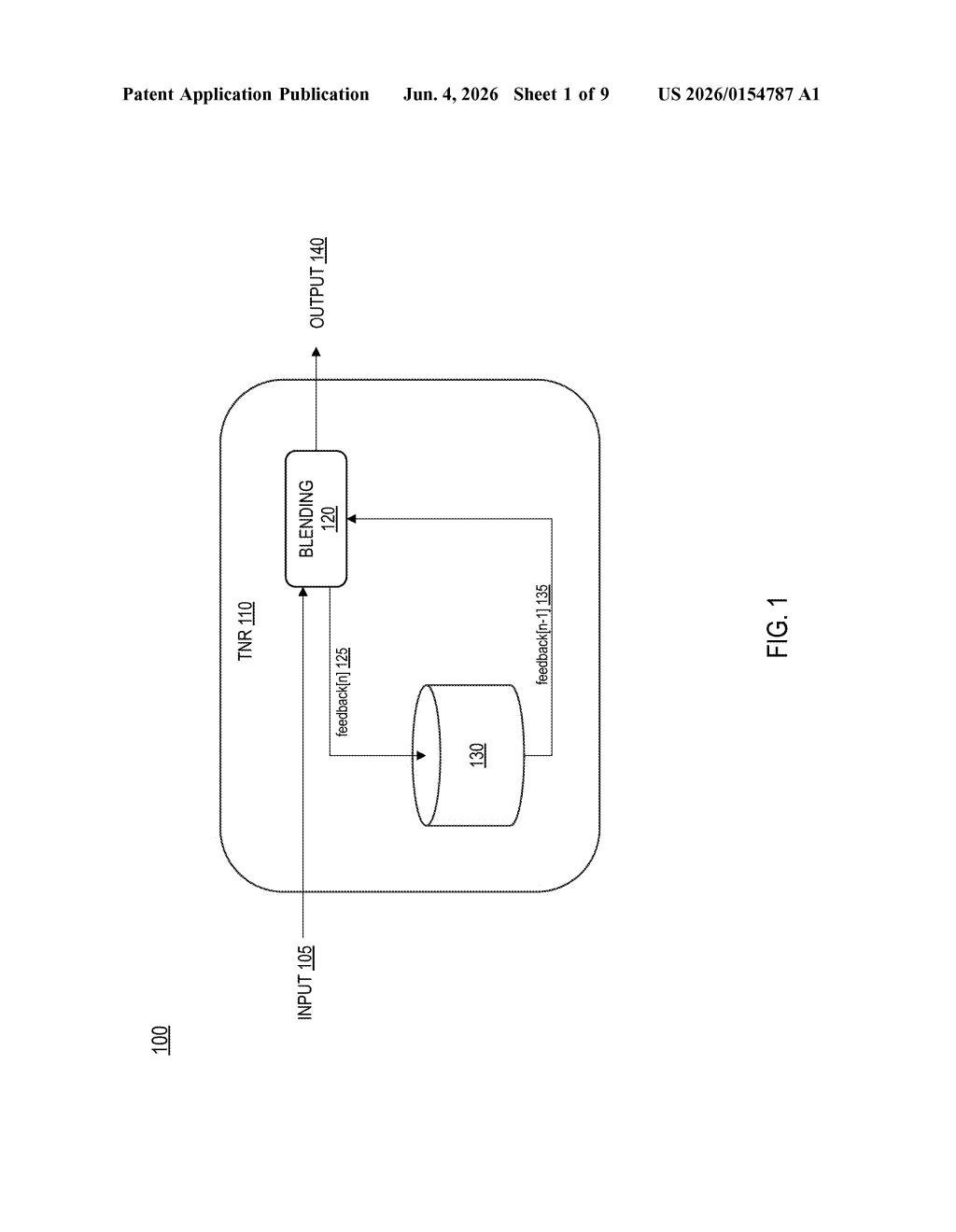
What Intel's background-learning video system actually does
Imagine you're on a video call and you wave your hand. For a split second, your background replacement goes haywire — your hand gets half-erased, or a ghost of your bookshelf bleeds through. That happens because most systems treat every frame as a fresh puzzle, with no memory of what came before.
Intel's patent describes a system that remembers your background. Every frame, it quietly updates an internal model of what the wall (or window, or desk) behind you looks like — but only for the pixels it's confident are actually background. When you're in front of a pixel, the system holds back, so your face and body never accidentally get "learned" into the background model.
The result is a background replacement engine that gets more accurate over time during a call. The longer you're on, the better it knows what's truly behind you — which means cleaner edges, fewer artifacts, and less of that unsettling dissolving-person effect when you move.
How the accumulation map builds a background model over time
The system works in a tight loop for every incoming video frame. A component called the separator takes the current frame and combines it with previous background data stored in memory — essentially a running best-guess of what the background looks like without you in it.
From that combination, it produces a foreground matting — a per-pixel probability map (think of it as a confidence score for every dot on screen: "is this pixel part of the person, or part of the background?"). This is more nuanced than a simple binary mask; pixels at your hair edges or a semi-transparent scarf get fractional scores.
The clever part is the accumulation map — a temporal history layer that tracks how much exposure and confidence the system has built up for each pixel over time. The system uses both the foreground matting and the accumulation map to determine how much to update the background model for each pixel:
- Pixels confidently classified as background get folded into the model via weighted blending.
- Pixels classified as foreground are withheld — the update is blocked to prevent the person from leaking into the background memory.
- Uncertain pixels get partial weight based on their probability scores.
Finally, a background replacer uses the foreground matting to composite the output — keeping your face and body, swapping out everything else with a virtual background.
What this means for background removal on Intel-powered devices
Background replacement is table stakes for video conferencing software in 2025, but the quality gap between implementations is huge. Most consumer-grade solutions struggle with fine hair, glasses, or motion blur because they work frame-by-frame with no temporal context. Intel's approach bakes memory directly into the pipeline, which could mean meaningfully better edge quality without requiring a heavier AI model — important for running efficiently on-device.
Intel has obvious deployment territory here: vPro business laptops, NPU-equipped Core Ultra chips, and its integrated graphics stack all sit underneath the video calls millions of people take every day. If this technique ships in a driver or platform SDK, developers building on top of tools like Teams, Zoom, or OBS could inherit the improvement without changing a line of their own code.
This is a genuinely thoughtful piece of engineering. The insight — that foreground pixels should be blocked from updating the background model, not just ignored — is the kind of detail that separates clean cutouts from the mushy halo effect you see in cheaper implementations. It's not a splashy AI announcement, but it's the sort of quiet infrastructure work that actually makes video calls look better.
There are more where this came from
We read every patent application Big Tech publishes and send you the ones worth knowing. Plain English, free, every week.
Want this weekly breakdown for a company we don't cover? Patentlyze Pro →