
New Patent Lets Apple Devices Hand Off Control Based on Room Position
What if editing a document on your Mac automatically handed off to your Vision Pro the moment you leaned back and looked up? That's essentially what Apple is patenting here — a system that watches where you are in a room and passes control accordingly.
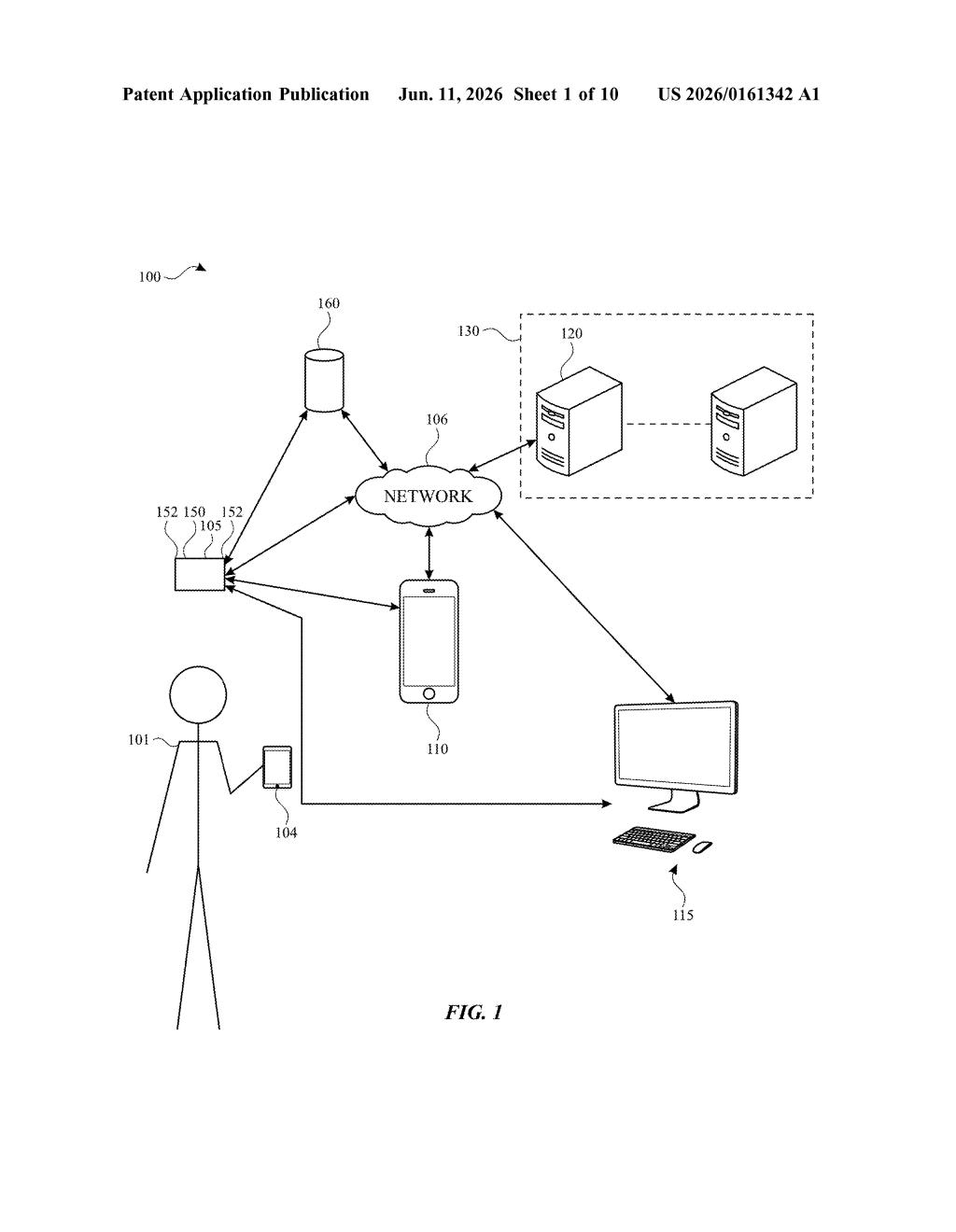
What Apple's spatial device-handoff system actually does
Imagine you're working on a video at your desk. You grab your iPhone to make a quick trim, then put on your Vision Pro headset and walk to the middle of the room. Right now, picking up the edit on a different device means manually reopening the file, finding your place, and hoping everything syncs. Apple's patent describes a system that makes that handoff automatic — based purely on where you are and which device you're closest to or looking at.
The idea is that one device in the room — likely the headset — acts as a kind of spatial coordinator. It tracks the positions of all your other Apple devices in three dimensions, and when you move toward one or interact with the space around it, the active control of whatever you're working on shifts over seamlessly.
Think of it as Handoff (Apple's existing feature for passing tasks between devices) but upgraded to understand physical space, not just which device you last tapped.
How 3D location triggers the control transfer
At its core, this patent describes an extended reality system (XR — meaning mixed or virtual reality setups like Apple Vision Pro) where one device maintains a live map of where other devices are located in three-dimensional space.
When a user makes a spatial input — moving toward a device, gesturing near it, or simply orienting themselves in its direction — the coordinating device interprets that as a signal to transfer content editing control to that device. The patent covers both:
- Transferring control between two non-headset devices (say, iPhone to iPad)
- Transferring control to or from the headset itself
The key technical claim is that the location data driving these transfers is three-dimensional — not just proximity on a flat surface, but full spatial positioning. This means the system could theoretically distinguish between a device on a desk below you versus one mounted at eye level, and use that context to decide which handoff makes sense.
The patent is filed under classification 715/761, which covers window and workspace management — suggesting the focus is on the UI and content-control layer, not just raw device discovery or Bluetooth pairing.
What this means for Vision Pro and your other Apple devices
Apple's existing Handoff and Universal Control features already let you pass tasks and cursor control between Apple devices — but they rely on you deliberately triggering the transfer (hovering a cursor at a screen edge, tapping a notification). This patent describes a system that infers your intent from where your body is in the room, which would make the handoff feel invisible.
For Vision Pro users especially, this could mean your headset becomes the intelligence layer that orchestrates all your other devices — not just a standalone display, but a spatial hub. If Apple ships something close to this, it would meaningfully change how Vision Pro justifies its place in a multi-device workflow rather than sitting apart from it.
This is a genuinely interesting direction for Vision Pro, which has struggled to feel like a natural part of an Apple device ecosystem rather than an expensive island. A system that uses the headset's spatial awareness to automate device handoffs is exactly the kind of use case that could make XR hardware feel useful in everyday work — not just impressive in demos. Whether Apple can execute it smoothly enough that it doesn't frustrate more than it helps is another question entirely.
There are more where this came from
We read every patent application Big Tech publishes and send you the ones worth knowing. Plain English, free, every week.
Want this weekly breakdown for a company we don't cover? Patentlyze Pro →