
Google Patents One-Tap AI Chat Shortcuts Built Into Search Results
Google is patenting a way to embed a one-tap button directly inside search results that drops you straight into an AI conversation tied to a specific website — skipping the search-click-navigate loop entirely.
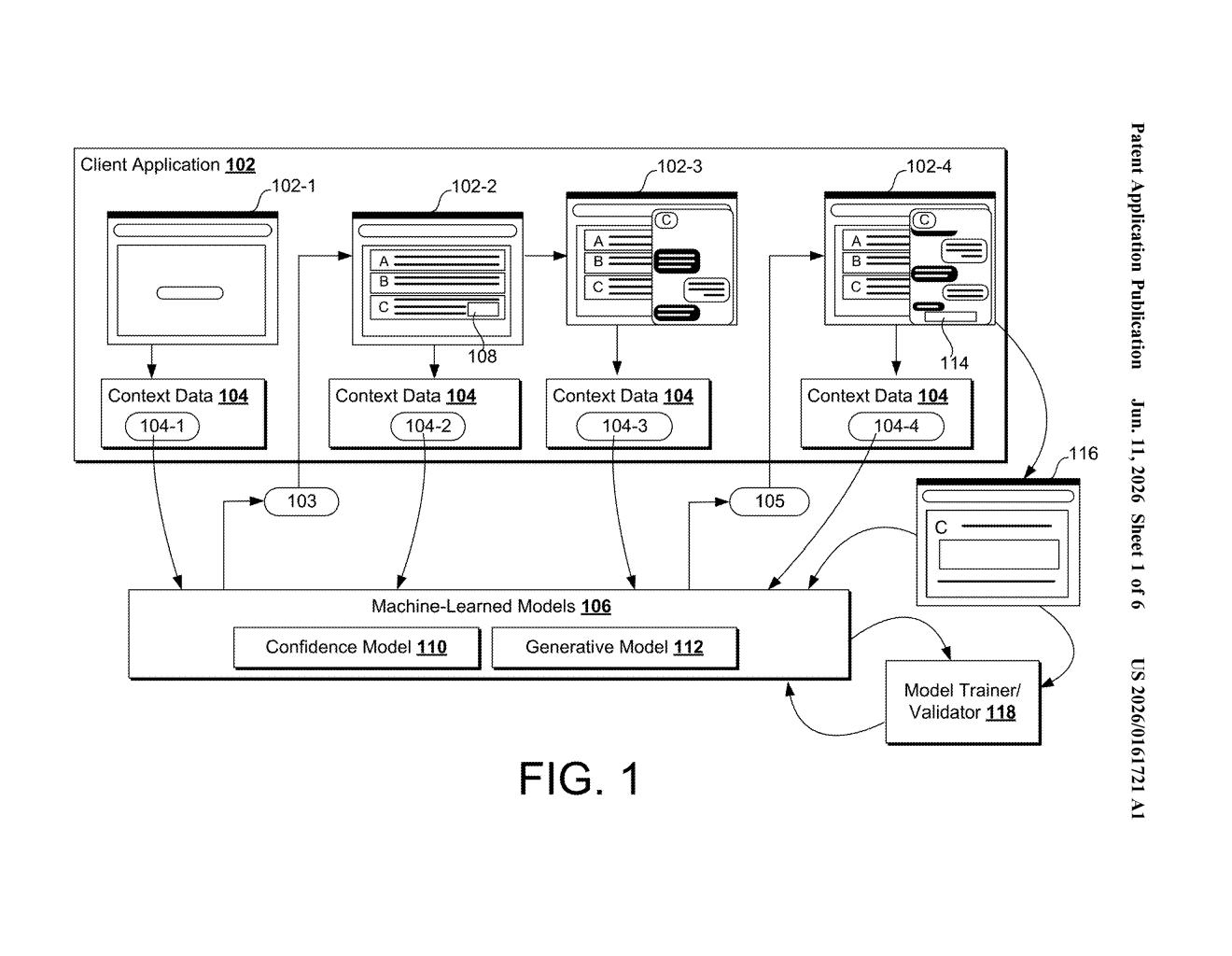
What Google's search-to-AI-chat shortcut actually does
Imagine you search for "how do I fix a leaky faucet" and, instead of just getting a list of links, you see a button right there on the results page that says "Chat with this guide." Tap it and you're immediately in a back-and-forth AI conversation about that specific article or site — no clicking through, no hunting for a chatbot.
That's the core idea in this Google patent. When you run a search, the system quietly checks whether any of the top results come from a website that has a capable AI assistant attached to it. If one clears a confidence threshold — meaning Google trusts the AI enough to highlight it — a shortcut button appears alongside that result.
Click the shortcut and a full conversational interface launches, pre-loaded with the context of that content item. It's essentially Google acting as a concierge between your search and the AI tools that live on various websites, letting you skip the manual legwork of finding and starting those conversations yourself.
How Google scores and surfaces the chat shortcut
The patent describes a system where a search engine doesn't just return a ranked list of links — it also evaluates whether any result is backed by a generative machine-learned model (an AI capable of holding a conversation, like a site-specific chatbot or assistant).
Each eligible result carries a confidence score — essentially a quality rating for that AI. Only results whose score clears a defined threshold (the "selection criteria") earn the right to display a shortcut button alongside the standard search result. This is the gating mechanism that prevents low-quality or unreliable AI assistants from showing up.
When a user selects that shortcut, the computing system initiates a conversation interface tied specifically to the first content item — not a generic chatbot, but one scoped to that particular web resource. The system then facilitates data transfer between the user and that model within the conversation session.
Key components in the flow:
- Search query transmission — standard web search sent to the search system
- Confidence-scored selection — AI-backed results filtered by quality score
- Shortcut generation — a UI element rendered alongside the qualifying result
- Conversation initiation — one-tap launch of the AI chat scoped to that content
What this means for how you search the web
For everyday users, this would collapse several steps — search, click, find chatbot, start conversation — into a single tap. You get a faster path to actually useful answers, especially for complex topics where back-and-forth questions matter more than reading a static page.
For the broader web, this is Google inserting itself as the gatekeeper to which websites' AI assistants get prominent exposure. A site whose AI scores well gets surfaced; one that doesn't stays buried. That creates a new axis of competition for publishers and businesses — not just ranking in traditional search, but having an AI good enough to earn Google's shortcut placement. It's a meaningful strategic move as AI-powered websites become the norm rather than the exception.
This patent describes something that would genuinely change how most people interact with search — not because it's technically exotic, but because it removes friction at exactly the right moment. The confidence-scoring gate is the detail worth watching: it means Google controls who gets the AI shortcut spotlight, which is a quiet but significant power play in a world where every major website is bolting on an AI assistant.
There are more where this came from
We read every patent application Big Tech publishes and send you the ones worth knowing. Plain English, free, every week.
Want this weekly breakdown for a company we don't cover? Patentlyze Pro →