
Google Patents an AI That Finds Game Tutorials — or Builds One When None Exist
Stuck on a boss fight with no YouTube tutorial to save you? Google is patenting an AI that not only hunts down walkthroughs for you — it can record and publish its own guide if the internet has never covered that part of the game.
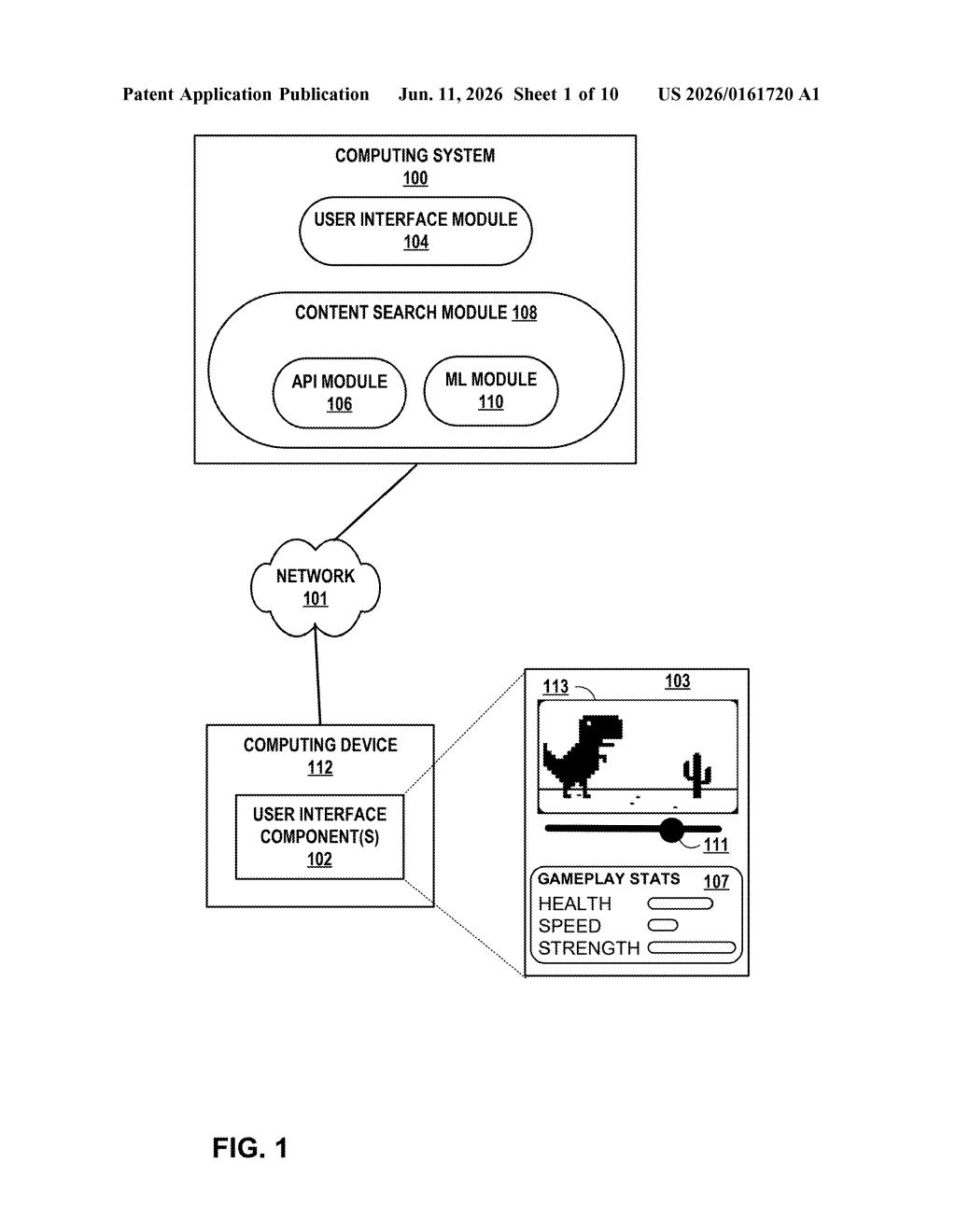
What Google's AI game-guide system actually does
Imagine you're grinding through a tricky section of a video game and you hit a wall. You go looking for a tutorial video, but nobody has made one for this exact spot. That's the gap Google's new patent is trying to close.
The system watches what you're doing in the game and checks whether helpful videos already exist for that part of the game. If you're clearly stuck and tutorials exist, it surfaces them for you automatically — no separate search required. If no one has covered that area yet, the system shifts into a different mode entirely: it starts creating a new guide on your behalf, essentially turning your playthrough into content for other players.
Think of it as a co-pilot that doubles as a content creator. You play; it decides whether to teach you or, if nobody else has done it first, to document what you're doing so the next person who gets stuck has something to watch.
How the system picks between finding and creating content
The patent describes a computing system that monitors an active play mode — meaning the game you're currently playing — and uses a machine learning model (an AI trained to understand video game content and match it against existing tutorial libraries) to search for related guides, walkthroughs, or how-to videos.
The key variable is what the patent calls a level of representation: essentially, how well-covered is this specific part of the game across all existing content? If the AI finds plenty of tutorials for your current situation, it switches into a content finder mode, pulling up the most relevant videos so you can get unstuck.
If that coverage is thin — below a set threshold — the system flips into a content creation mode instead. In this mode, the AI begins generating new content on behalf of the player, filling the gap in the tutorial ecosystem automatically.
The system also reads the intent behind a user's input: are you signaling that you want to create content for an underserved area of the game, or are you just frustrated and looking for help? Those two signals lead to different outcomes, with the AI routing accordingly.
What this means for players and YouTube-style game guides
For everyday players, this could mean the end of the "no results" dead-end when you search for help on an obscure game section. The AI handles the search and, if nothing useful exists, potentially produces a guide without you ever leaving the game.
For the broader ecosystem of game content on platforms like YouTube, this is a more pointed development. Google — which owns YouTube — would be positioned to automatically generate tutorial content and feed it back into that same platform, potentially competing with human creators who currently build audiences by being first to cover a game's tricky sections. Whether the auto-created content is genuinely useful or just fills up search results remains an open question, but the strategic direction is clear.
This is a patent worth watching closely, less for the player-assistance angle — which is genuinely useful — and more for what it implies about Google's appetite to auto-generate content at scale on YouTube. A system that identifies content gaps and fills them programmatically could reshape how tutorial creators compete for attention, and Google has every incentive to make that happen.
There are more where this came from
We read every patent application Big Tech publishes and send you the ones worth knowing. Plain English, free, every week.
Want this weekly breakdown for a company we don't cover? Patentlyze Pro →