Latest AI training & infrastructure patents, Page 13
The unglamorous machinery underneath: training methods, inference speedups, model compression, and the scheduling tricks that make AI affordable to run.
- in the Nov 19 release
- 8
- in November so far
- 22
- filings tracked
- 324
- last 90 days
- 123
Recent filings
Newest first · 324 total-
Samsung · Published Aug 13
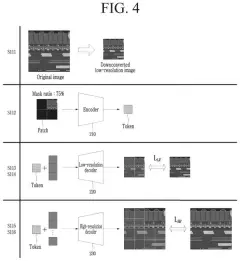
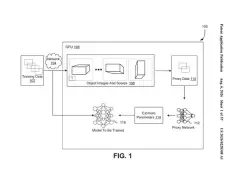
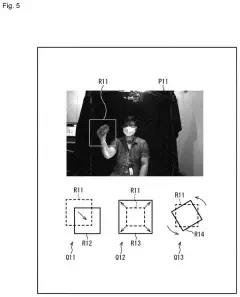
Samsung Patents a Way to Tune AI Models Using Low-Resolution Images
Training an AI model from scratch is expensive and slow, largely because of the sheer size of the images involved. Samsung's new patent describes a shortcut: figure out the best training settings using small, low-resolution images first, then scale up.
-
Salesforce · Published Aug 6
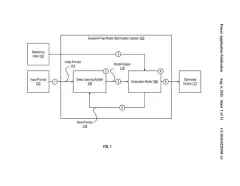
Salesforce Patents a System That Coaches AI Into Giving More Accurate Answers
Improving an AI model usually means expensive retraining. Salesforce's new patent skips that entirely, letting a second AI rewrite the instructions until the first one gets things right.
-
Nvidia · Published Aug 6
Nvidia Patents a Processor That Tunes Its Own AI Settings on the Fly
Nvidia has patented a processor that watches how much work an AI model has to do and automatically tweaks the model's internal settings to match. Think of it as cruise control, but for AI inference.
-
Salesforce · Published Aug 6
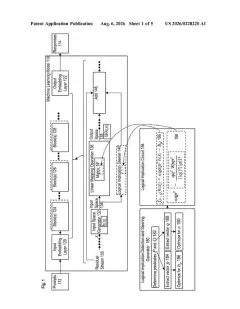
Salesforce Patents a Way to Steer AI Responses Using Built-In Logic Rules
Every time an AI generates a response, it's making thousands of tiny guesses about what word comes next. Salesforce has patented a method to intercept those guesses and push them toward logically consistent conclusions, without retraining the whole model.
-
Sony · Published Aug 6
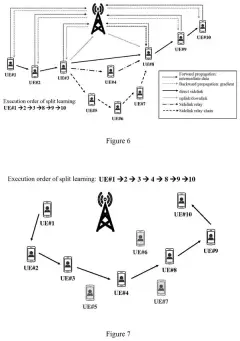
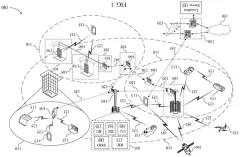
Sony Patent Routes Split AI Training Through Direct Device Radio Links
Sony is patenting a way to train AI models cooperatively across multiple devices, letting them hand off pieces of the work to each other over direct device-to-device radio connections, no server required.
-
Samsung · Published Aug 6
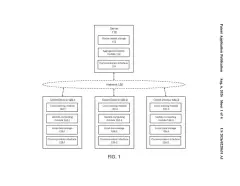
New Patent Trains AI Locally Without Sharing Your Data
Samsung is patenting a way to let AI models learn from your personal data on your phone, then improve a shared global model, all without your raw data ever leaving the device.
-
Nvidia · Published Aug 6
Nvidia Patent: Selecting Unique Training Data Reduces Neural Network Learning Costs
Training an AI model requires tuning dozens of settings before real learning even begins. Nvidia has filed a patent that tries to make that setup step faster by being picky about which data it looks at first.
-
Google · Published Aug 6
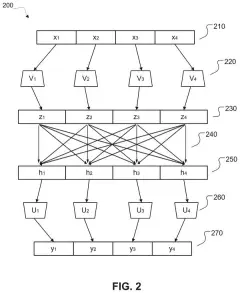
New Patent Cuts the Cost of Running AI That Handles Many Tasks at Once
Running a large AI model with many specialized sub-networks is expensive, partly because each specialist carries its own full set of parameters. Google's new patent describes a design where those specialists share a common middle layer, cutting the total parameter count without shrinking what the model can do.
-
Samsung · Published Jul 30
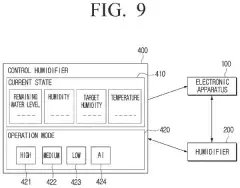
Samsung Patents an AI System That Runs Your Humidifier on Less Power
Samsung wants a small AI model to take over your humidifier's controls, reaching the humidity level you want while spending as little electricity as possible to get there.
-
Qualcomm · Published Jul 30
Qualcomm Patents Tech to Keep AI Location Training Data Fresh and Unbiased
AI-based location tracking is only as good as the data it trains on, and if that data is always collected in the same situations, the AI gets lopsided. Qualcomm's new patent is about fixing that problem at the source.
-
Sony · Published Jul 30
Patent: Sony's Filing Picks the Most Reliable AI by Nudging Its Test Data
When an AI model encounters data it was never trained on, how do you know which of your available models to trust? Sony has filed a patent for a system that answers that question without needing a human to label a single example.
-
Sony · Published Jul 30
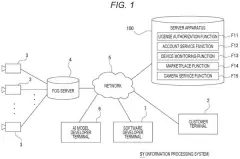
Sony Patents a System That Lets Users Choose Which AI Model Runs on Their Device
Sony is patenting a control layer that lets a user pick their own AI model and then hand it off to a dedicated inference chip to run. It sounds simple, but it's the kind of plumbing that makes swappable on-device AI possible.