
Samsung Patents a Signalling Traffic Monitoring Control System for 5G Networks
Network operators spend enormous effort trying to figure out why signaling traffic spikes — this Samsung patent describes a structured, on-demand system for creating and enabling traffic monitors inside a telecom network.
What Samsung's network signaling monitor actually does
Imagine your home router had a way for your internet provider to remotely flip on a detailed logging mode for specific types of traffic — not snooping on your content, but watching how often your devices are sending connection requests. That's roughly what this patent describes, but for massive 5G mobile networks.
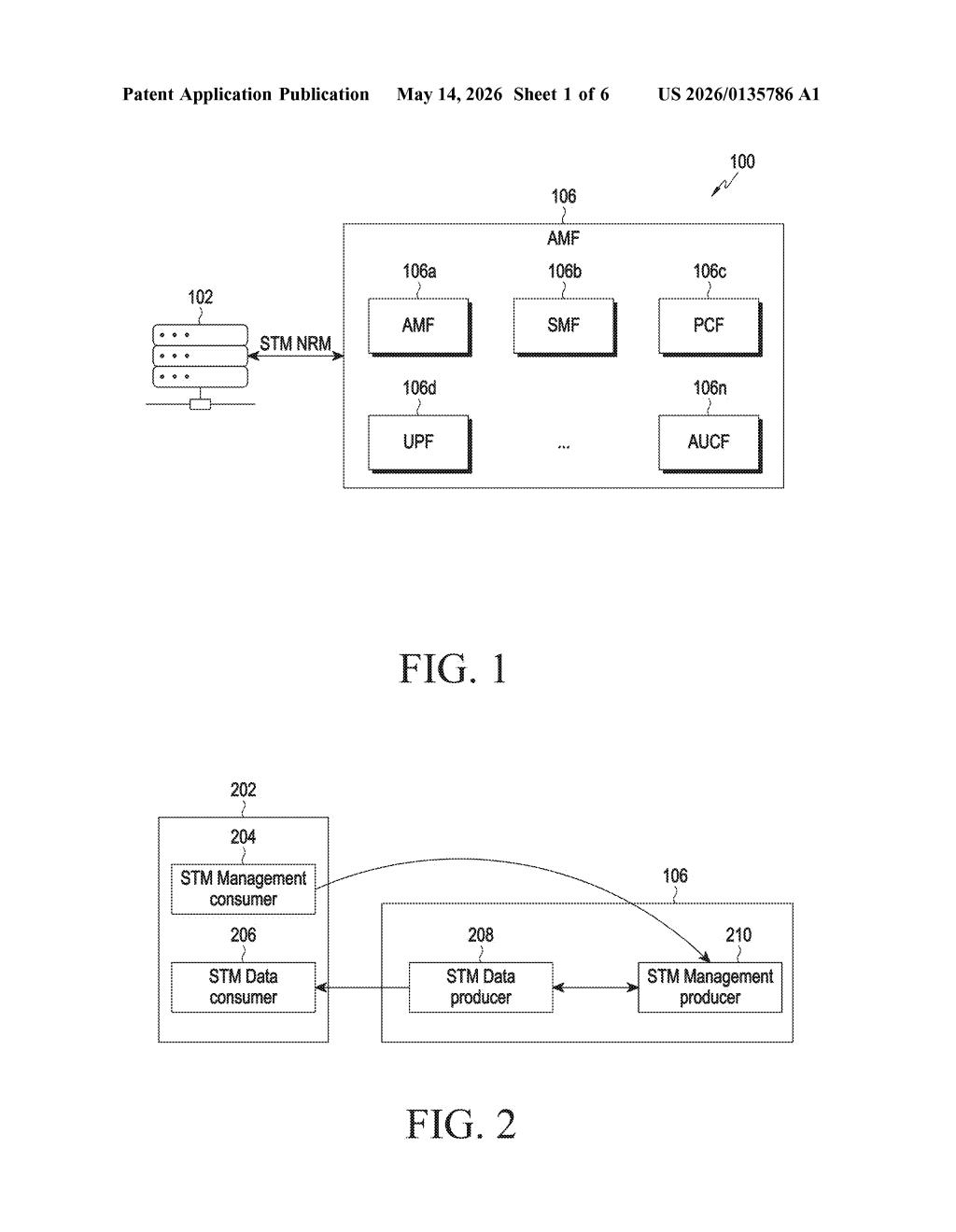
Samsung's filing outlines a framework where a "management consumer" (think: a network operations tool) can ask a "management producer" (a network node or function) to set up monitoring objects. Once those objects are created, a second step enables them — a deliberate two-stage process that keeps monitoring inactive until explicitly turned on.
The enabled monitors then generate reports about signaling messages flowing through the network. This lets operators catch anomalies, troubleshoot congestion, or audit behavior without having to bake surveillance logic into every network component from day one.
How the STM producer creates and enables control objects
The patent defines a Signalling Traffic Monitoring (STM) control framework structured around a producer-consumer model — a common pattern in telecom management architectures where one entity provides a service and another requests it.
The flow works in clear stages:
- A STM management consumer (an operations or orchestration layer) sends a request to create one or more STM control objects on the producer side.
- The STM management producer (the network node being monitored) instantiates those objects but does not start monitoring yet.
- The consumer then sends a separate attribute that enables the created objects — decoupling creation from activation, which is a deliberate design choice that allows pre-configuration without immediate impact.
- Once enabled, the producer transmits reports about signaling messages captured by those objects.
The signaling messages in question are the control-plane packets that telecom networks use to set up calls, manage sessions, and coordinate between nodes — not user data, but the administrative traffic that keeps the network running. Excessive or malformed signaling can indicate attacks, misconfigured equipment, or overload conditions.
The two-stage create-then-enable pattern mirrors patterns seen in 3GPP network management standards, suggesting this is likely targeted at conformance with or extension of existing O-RAN or 3GPP management frameworks.
What this means for 5G network management tools
For telecom operators running dense 5G deployments, signaling traffic anomalies are a real operational headache — they can cascade into outages or mask security incidents. A standardized, on-demand monitoring object model means operators could deploy monitoring precisely where needed, when needed, without redeploying network software.
For you as a user, this kind of infrastructure work is invisible — but it's the plumbing that keeps 5G networks stable under load. Samsung, as both a major 5G equipment vendor and a handset maker, has clear commercial interest in defining how this monitoring layer works, especially if it lands in a 3GPP or O-RAN standard that competitors must also implement.
This is solidly unglamorous telecom standards work — the kind of patent that matters inside network operations centers and standards bodies, not on product launch slides. Samsung files a lot of these, and they often reflect active participation in 3GPP working groups rather than moonshot invention. Worth tracking if you follow telecom infrastructure, otherwise safely ignorable.
There are more where this came from
We read every patent application Big Tech publishes and send you the ones worth knowing. Plain English, free, every week.
Want this weekly breakdown for a company we don't cover? Patentlyze Pro →