
IBM Patents a Storage System That Routes Data to the Right Hardware Automatically
IBM has filed a patent for a storage system that reads metadata attached to incoming data and automatically sends it to whichever hardware tier best fits its needs, no manual configuration required.
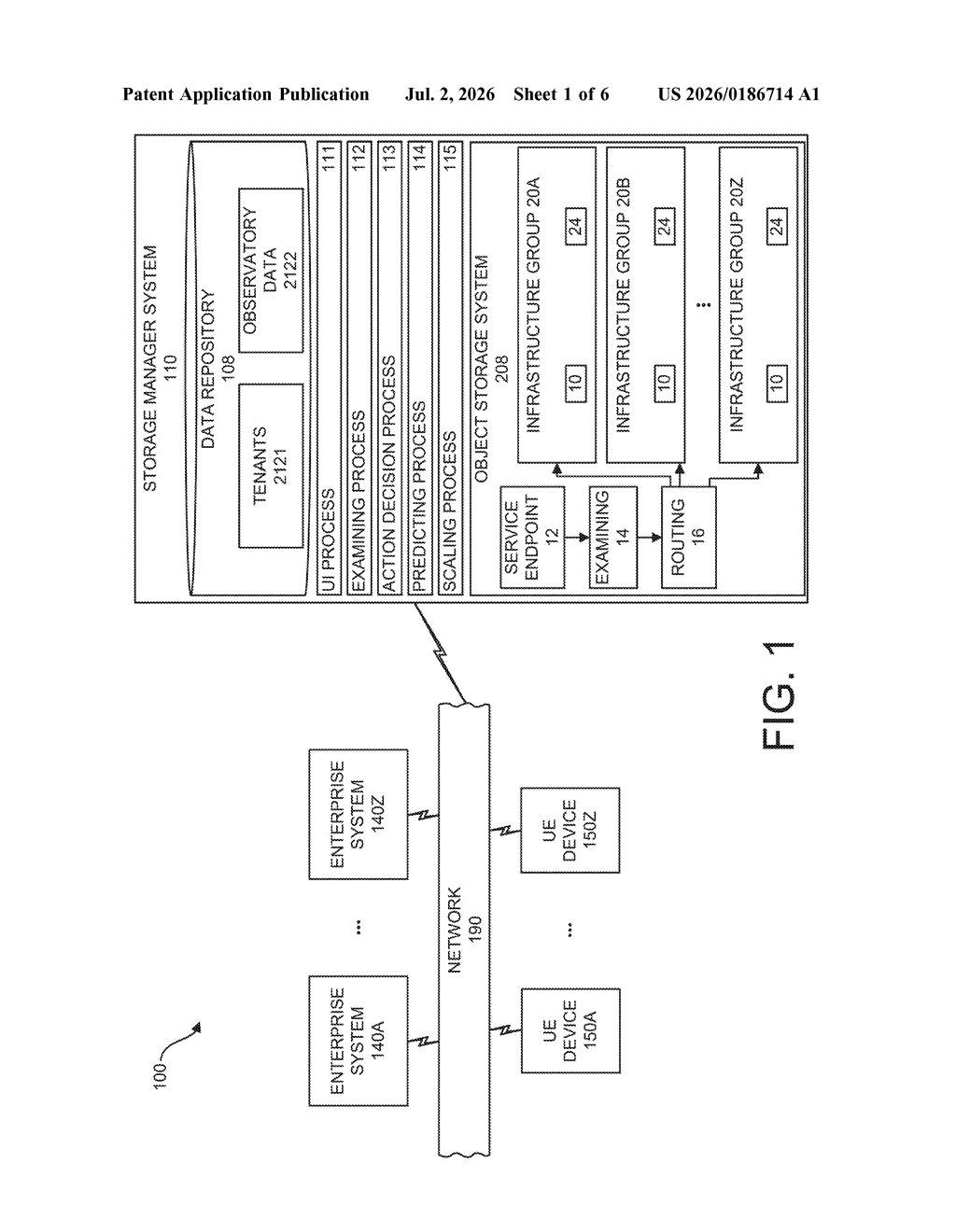
What IBM's adaptive storage routing actually does
Imagine you run a business and store files in the cloud. Some files are huge, rarely accessed archives; others are small, constantly-read databases. Right now, many storage systems just dump everything onto the same hardware, which wastes money and slows things down.
IBM's patent describes a smarter approach: when your data arrives at the storage system, the system checks the settings attached to that data and then decides which pool of hardware to send it to. One pool might use fast, expensive storage; another might use slower, cheaper drives. The routing happens automatically.
This is aimed at multi-tenant environments, meaning situations where many different companies or departments share the same underlying storage platform. Each tenant's data gets steered to the infrastructure that matches its requirements.
How the system picks between infrastructure groups
The patent describes an object storage system (a type of cloud storage where files are stored as discrete "objects" rather than in a traditional folder hierarchy) that is divided into at least two distinct processing and storage infrastructure groups. Each group has different hardware characteristics, for example different processor types, storage media speeds, or capacity tiers.
When data arrives from a tenant (a customer or workload sharing the platform), the system performs three steps:
- Examines setting data attached to the incoming data, which could include policy tags, data classification labels, or configuration preferences.
- Selects the appropriate infrastructure group based on what those settings say.
- Routes and stores the data to a physical storage device within that chosen group.
The core idea is that placement decisions are driven by metadata, not by manual administrator assignment. This means a high-priority workload can be steered to high-performance hardware while archival data lands on cheaper storage, all within the same platform and without human intervention each time.
What this means for multi-tenant cloud storage
For businesses running workloads on IBM's cloud infrastructure, automatic tiering like this can reduce costs and improve performance without requiring your IT team to micromanage where every dataset lives. The system does the sorting for you based on rules you set once.
More broadly, this kind of patent reflects ongoing competition among cloud providers to make storage platforms more efficient for the tenants sharing them. If IBM can build this into its object storage products, it becomes a selling point for enterprise customers who need both cost control and performance guarantees on the same platform.
This is a fairly routine infrastructure patent covering a well-established concept in storage management: tiered placement driven by metadata. The implementation details in the claim are thin, and the abstract even contains a typo in the key differentiating clause. It's not an idea that breaks new ground, but it does signal IBM is continuing to invest in enterprise cloud storage tooling.
Get our take in your Top Stories
Liked this breakdown? Add Patentlyze as a preferred source on Google, and our plain-English take shows up more often in your Top Stories the next time IBM patent news breaks.
There are more where this came from
We read every patent application Big Tech publishes and send you the ones worth knowing. Plain English, free, every week.
Want this weekly breakdown for a company we don't cover? Patentlyze Pro →